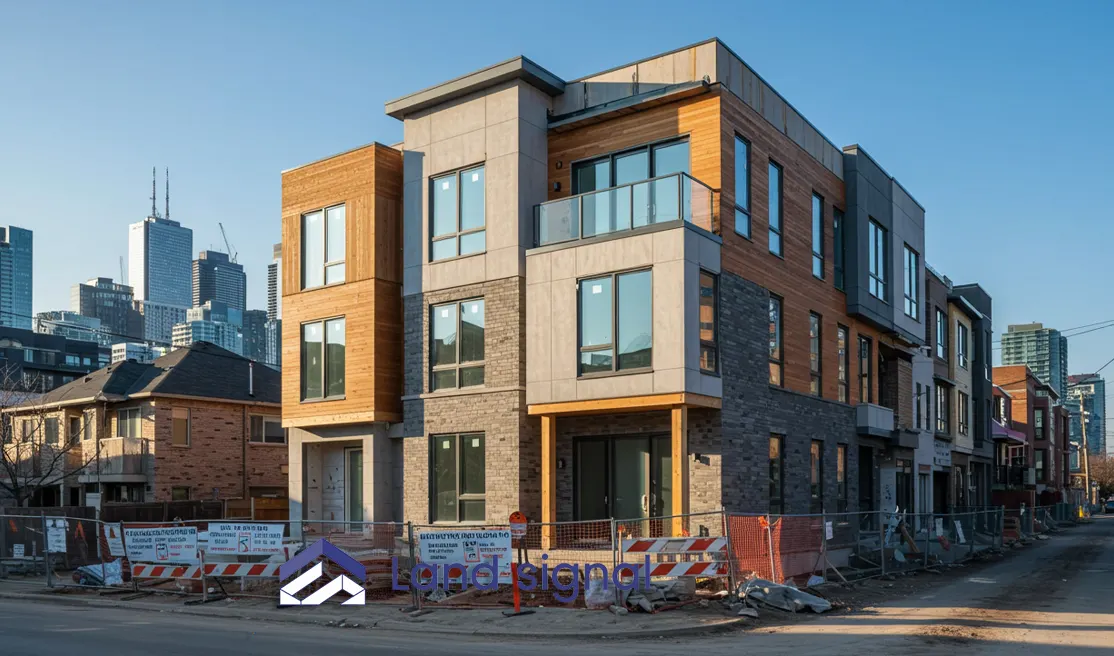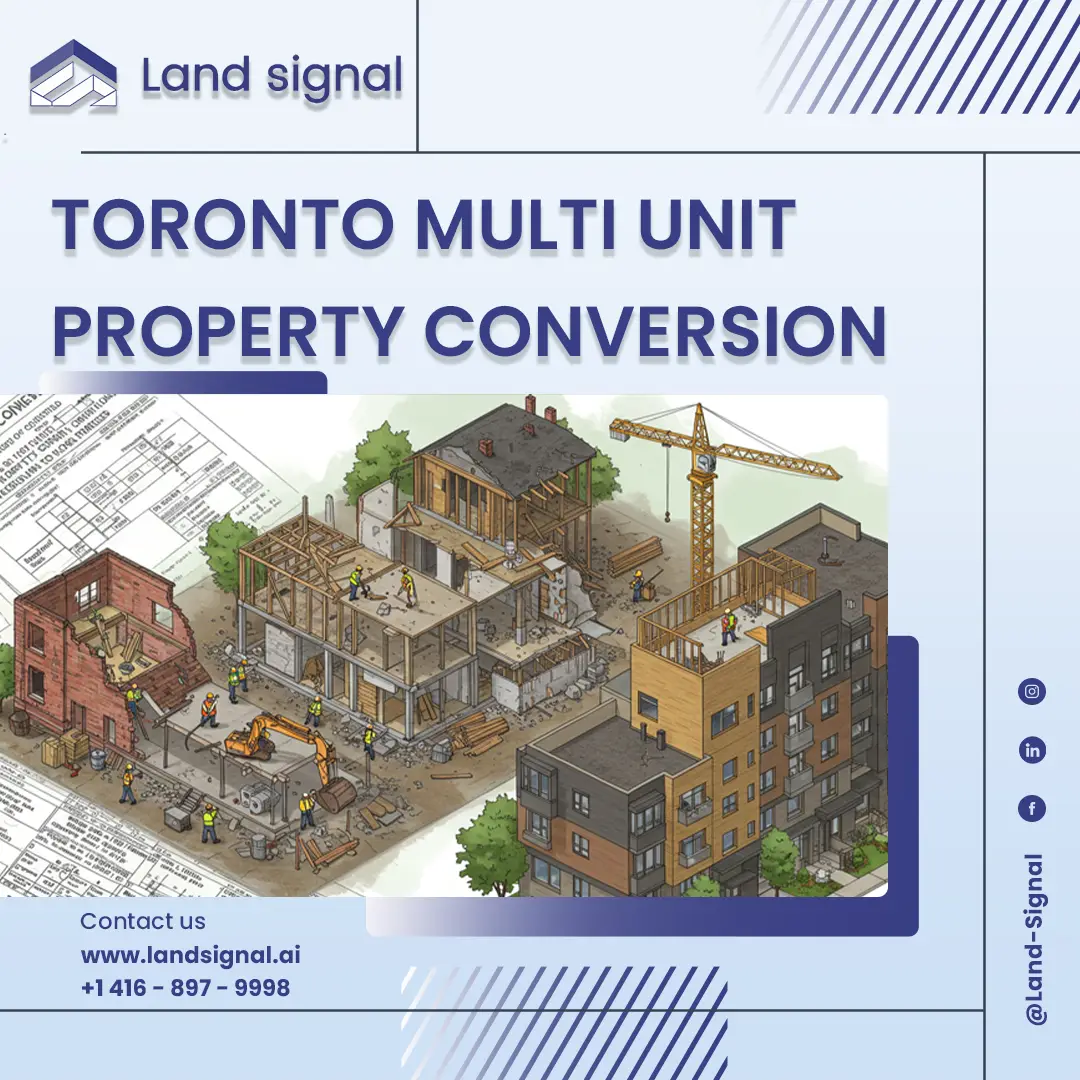











Understanding Why Multi-Unit Conversions Matter in Toronto
As Toronto faces limited land availability and rising housing demand, multi-unit property conversions are becoming increasingly important. By reconfiguring existing homes into multiple self-contained units, property owners can increase the housing supply without altering the character of the neighborhood or requiring large-scale redevelopment. These projects promote gentle density, improve housing affordability, and optimize the use of existing infrastructure, such as transit, schools, and utilities.How Multi-Unit Conversions Affect Property Value and Use
Converting a single-family home into a duplex, triplex, or fourplex can significantly increase a property’s income potential and long-term value. Legal multi-unit properties often appeal to a broader range of buyers and investors because they offer diversified rental income and comply with current zoning rules. Properly executed conversions allow homeowners to retain flexibility, such as living in one unit while renting out the others.Toronto’s Housing Shift Catalyst
The landscape for property development in Toronto has undergone a significant transformation, driven primarily by the urgent need for more housing options. For years, many residential areas were restricted, limiting the potential for gentle density increases.
However, recognizing the mounting pressure on the housing supply and the desire for more diverse living arrangements within established neighborhoods, the City of Toronto took decisive action.
Key Zoning Bylaw Changes
In May 2023, Toronto City Council approved pivotal changes to the city-wide Zoning By-law 569-2013. This update represents a major catalyst, effectively permitting the creation of multiplex housing – specifically duplexes, triplexes, and fourplexes – within nearly all residential zones across the city.
Previously, many areas designated as Residential (R), Residential Detached (RD), Residential Semi-Detached (RS), Residential Townhouse (RT), and Residential Multiple (RM) were largely limited to single-detached or semi-detached homes. This amendment unlocks significant potential for homeowners and investors to intensify land use responsibly.
This policy shift aims directly at facilitating the creation of more homes, offering residents a wider range of housing types and price points. It’s a strategic move towards ‘missing middle’ housing, helping bridge the gap between single-family homes and large apartment buildings, fostering more vibrant and complete communities by making better use of existing residential land.
Decoding Multiplex Zoning Potential
Understanding the intricacies of the new multiplex zoning rules is the first crucial step for anyone contemplating a property conversion. The 2023 bylaw amendments essentially allow homeowners, as of right (meaning without needing complex rezoning applications in most cases), to convert or construct up to four residential units on their property, provided it falls within the designated low-rise residential zones (R, RD, RS, RT, RM). This means a single-family home could potentially be transformed into:
- Duplex: Two self-contained residential units.
- Triplex: Three self-contained residential units.
- Fourplex: Four self-contained residential units.
Homeowners can get an initial sense of their property’s potential by consulting the City of Toronto’s Interactive Zoning By-law Map. However, interpreting these layered regulations accurately requires careful attention to detail. A misinterpretation could lead to costly design revisions or permit delays for a Toronto Multi Unit Property Conversion project.
The Strategic Conversion Blueprint
Embarking on a multi-unit conversion project is a significant undertaking that demands careful planning and execution. Following a structured process is key to successfully navigating the complexities.
Initial Assessment & Feasibility
Before any design work begins, a thorough assessment of the existing property and its potential under current zoning is essential. This involves verifying zoning compliance, evaluating the structural integrity of the existing building, assessing existing utility services, and developing a preliminary budget. Understanding the physical and regulatory constraints early on prevents wasted effort later.
Design & Planning
Once feasibility is confirmed, the design phase commences. This involves working with architects or qualified designers to create detailed plans that meet the owner’s goals while strictly adhering to both the Zoning By-law and the Ontario Building Code.
This includes layouts for each unit, specifications for materials, and plans for structural changes, mechanical, electrical, and plumbing systems. Efficient and compliant Laneway Suite Toronto Plans, if applicable, would also be developed at this stage.
Permit Application Process
With designs finalized, the next step is submitting a comprehensive building permit application to the City of Toronto. This package includes architectural drawings, engineering reports (if required), and various forms demonstrating compliance.
The City reviews the application against all relevant regulations, which can be a lengthy and iterative process involving potential feedback and revisions.
Construction & Ontario Building Code Compliance
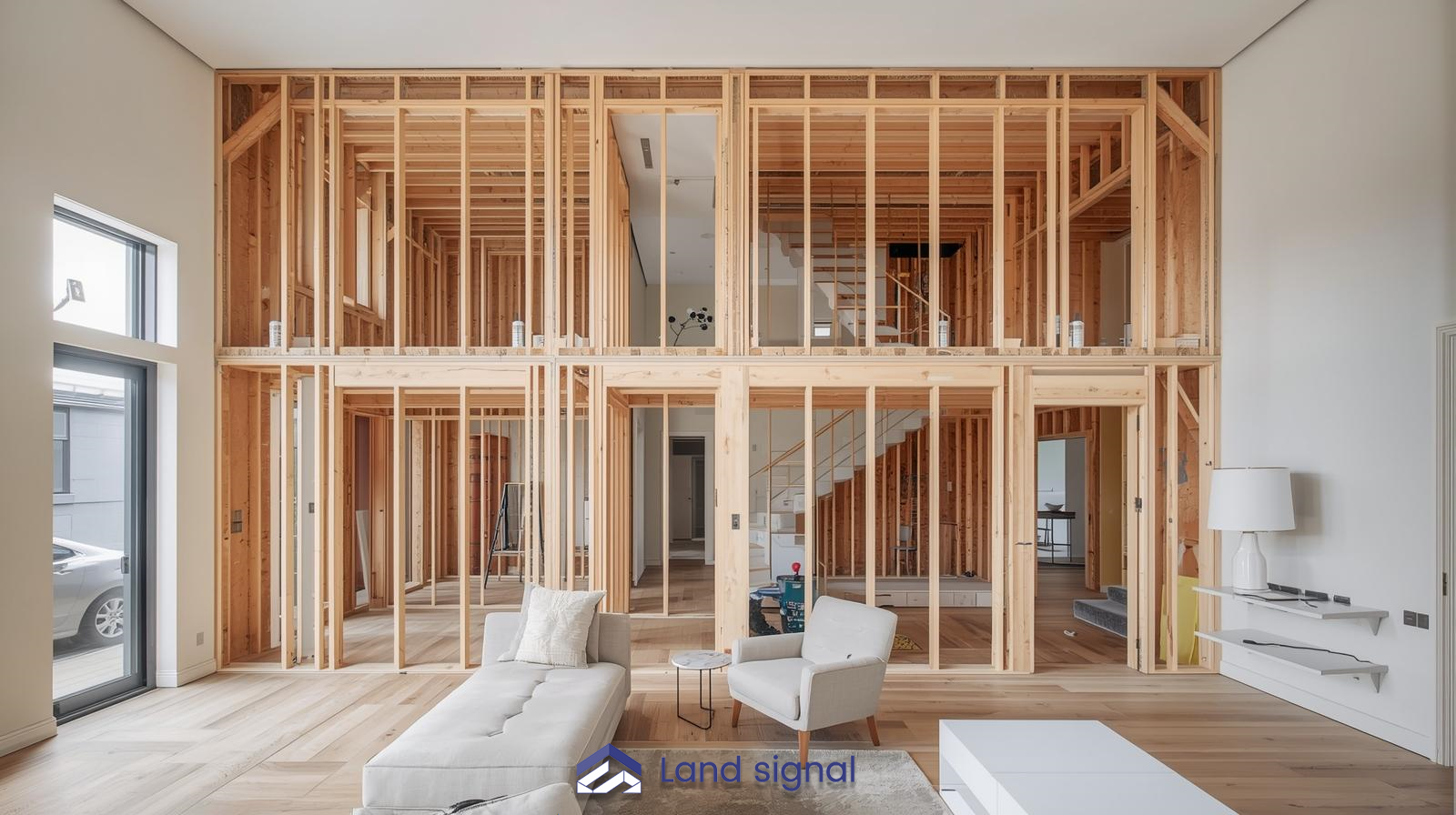
Upon permit issuance, construction can begin. All work must strictly follow the approved plans and comply with the Ontario Building Code. This code dictates minimum standards for health, safety, fire protection (e.g., fire separations between units, adequate egress routes), accessibility, energy efficiency, and structural sufficiency.
Ensuring compliance often involves careful coordination between trades and adherence to specific construction techniques.
Inspections & Completion
Throughout the construction phase, City inspectors will visit the site at key milestones (e.g., foundation, framing, insulation, plumbing rough-in, final occupancy) to verify compliance with the approved plans and the Building Code.
Passing these inspections is mandatory to proceed and ultimately receive occupancy approval for the new units. This phase often includes addressing any deficiencies noted by inspectors before final sign-off on the Toronto Multi Unit Property Conversion.
Financial Aspects Conversion Ventures
Converting a property into multiple units is not just a construction project; it’s a significant financial investment with both potential rewards and considerable costs. Understanding these financial dynamics is crucial.
On the plus side, a successful conversion can dramatically increase rental income potential and significantly boost the property’s overall market value. The addition of legal, rentable units creates new revenue streams.
Key Cost Considerations
However, the upfront costs are substantial and require meticulous budgeting. Key expenses include:
- Design & Engineering Fees: Costs for architects, designers, and potentially structural or mechanical engineers.
- Permit Fees: City fees for reviewing plans and issuing permits.
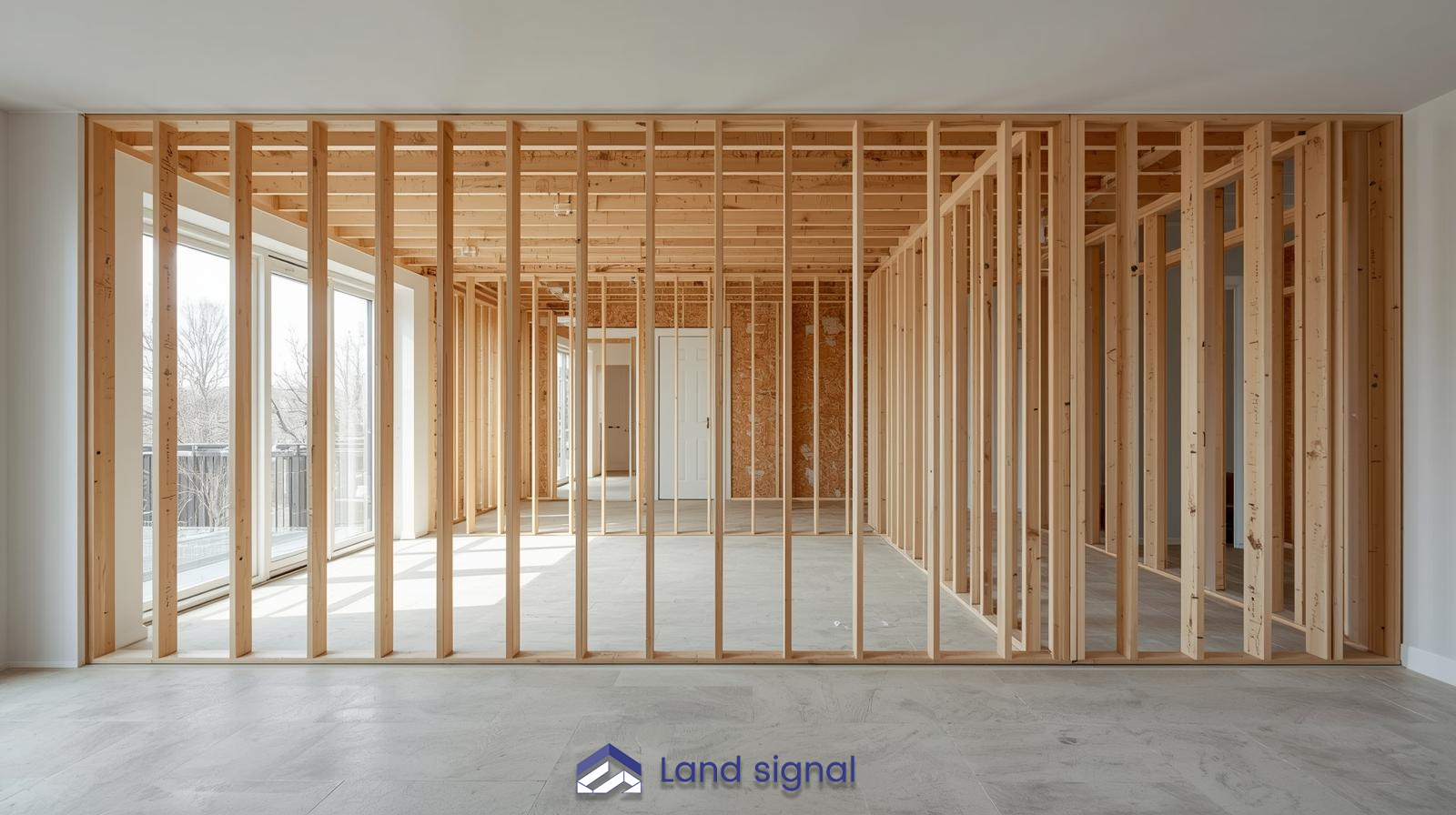
- Construction Costs: This is the largest component, covering materials and labour. Factors like the cost to frame a house in Ontario or sections of it, foundation work, roofing, interior finishing, and specialized systems (HVAC, electrical, plumbing for multiple units) add up quickly. The specific Home Extensions Toronto Cost will vary widely based on project scope and complexity. Adding a second storey, impacting the Second-Floor Addition Toronto cost, involves major structural work and higher expenses.
- Contingency: A crucial buffer (often 10-20%) for unexpected issues or cost overruns.
Investing in eco friendly home renovations in Toronto during the conversion, such as better insulation, high-efficiency windows, or upgraded HVAC systems, might increase initial costs but can yield long-term savings on utilities and appeal to environmentally conscious tenants.
Crucially, to incentivize these types of projects, the City of Toronto has waived Development Charges for the creation of second, third, and fourth residential units on a property, which can represent significant savings.
Expanding Housing Density Options
Beyond converting the main structure, Toronto property owners often have additional opportunities to increase housing density and rental potential through accessory dwelling units (ADUs). These smaller, self-contained units leverage underutilized space on a residential lot. Two primary types prevalent in Toronto are Laneway Suites and Garden Suites.
Laneway Suites
Situated in the rear yard of properties that abut a public laneway, Laneway Suites are detached secondary homes. Governed by the Toronto Laneway Suite Bylaw, these structures have specific requirements regarding size, height, setbacks, access, and servicing. Developing feasible Laneway Suite Plans requires navigating these regulations carefully. They offer excellent rental income potential or multi-generational living options without altering the main house significantly.
Garden Suites
Similar to laneway suites but located on properties without laneway access, Garden house Toronto is detached units built in the rear yard. Regulations define the maximum permitted Garden House Size Toronto, setbacks, and design parameters. The Garden Suite cost Toronto depends on size, complexity, and servicing requirements, but like laneway suites, they represent a valuable way to add density. Both suite types contribute to the overall strategy of maximizing housing options on a single property, complementing a primary Toronto Multi Unit Property Conversion.
Pros and Cons of Toronto Multi-Unit Property Conversions
Converting a property into multiple residential units can be a powerful way to increase housing supply and unlock additional value, but it is not the right solution for every property or owner. Understanding both the benefits and the challenges of a Toronto multi-unit property conversion helps homeowners and investors make informed decisions and plan realistically before moving forward.Benefits
- Increased rental income through multiple self-contained units
- Higher property value by adding legal, compliant living space
- Efficient use of existing residential land in high-demand urban areas
Possible downsides
- Higher upfront costs for design, construction, and permits
- More complex zoning and building code compliance requirements
- Ongoing responsibilities related to tenant management and maintenance
Navigating Permits Land Signal Expertise
While the potential of multi-unit conversions is exciting, the path through zoning interpretation and building permit approvals is often complex and fraught with potential pitfalls.
Toronto’s regulations are detailed, multi-layered, and subject to interpretation. Misunderstanding zoning requirements or submitting incomplete permit applications can lead to significant delays, costly redesigns, and immense frustration for homeowners, investors, and even experienced contractors.
Ensuring every detail aligns with the Zoning By-law and the Ontario Building Code requires expertise and diligent effort. This is precisely where Land Signal steps in. As an online platform and service company specializing in Toronto and GTA zoning bylaws and building permit processes, Land Signal provides invaluable end-to-end support.
We empower homeowners, real estate investors, architects, and small contractors by demystifying complex municipal regulations. Our core services designed to streamline your project include:
- Expert Zoning By-law Interpretation: We clarify exactly what’s possible on your property under current regulations.
- Permit Management: Handling the entire application process for home additions, renovations, second-story additions, legal basement conversions, Toronto Multi Unit Property Conversion projects, and laneway/garden suite approvals.
- Design Consultations: Offering guidance specifically for optimizing laneway and garden suite plans.
- Construction Cost Calculator Ontario : Providing tools to help you budget effectively.