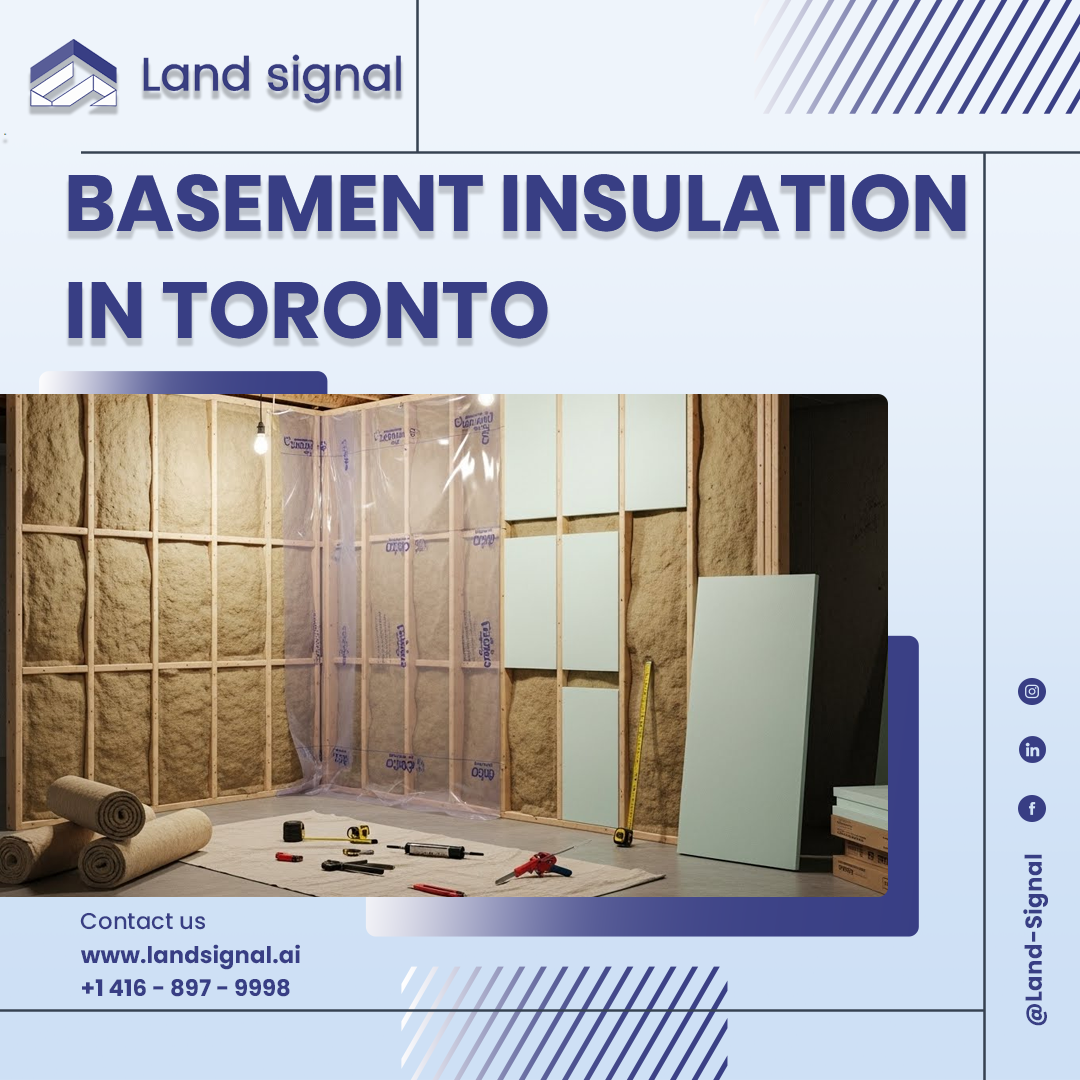









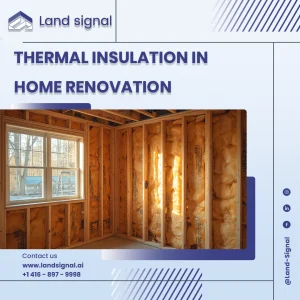
Basement wall insulation in Toronto is rarely a simple upgrade. Cold concrete, seasonal moisture movement, and aging foundations mean that insulation decisions directly affect comfort, durability, and permit approval. Many homeowners focus on materials without understanding how insulation assemblies behave below grade or how Ontario Building Code requirements apply.
OBC is looking to have min R10 continuous insulation to avoid having thermal breaks by wall wood joists.
This guide explains how to insulate basement walls correctly in Toronto, with a clear focus on code compliance, moisture control, and inspection-ready solutions.
Toronto Climate Realities and Basement Insulation
Toronto’s climate places sustained thermal and moisture stress on basement walls. Long heating seasons create strong temperature differentials between indoor air and foundation concrete, increasing condensation risk. Ground moisture and freeze-thaw cycles further complicate insulation performance, particularly in older homes built without modern drainage or waterproofing systems or waterproof basement walls.
Key climate-related challenges include:
- Persistent cold foundation surfaces
- Seasonal moisture migration through concrete
- Freeze-thaw pressure on below-grade assemblies
- Older construction lacking exterior moisture protection
Read More: Legal Basement Permit Toronto and Ontario
Ontario Building Code Requirements for Basement Wall Insulation
Basement wall insulation in Toronto must comply with Ontario Building Code Part 9, which governs energy efficiency, moisture control, and fire safety for low-rise residential buildings. The code does not only assess insulation value, but also how insulation integrates with vapor barriers, air barriers, and interior finishes.
Core compliance considerations reviewed during inspection:
- Minimum effective thermal resistance for basement walls
- Min R10 continuous insulation (for any new construction or extension) to avoid having thermal breaks by wall wood joists.
- Proper vapor barrier placement based on insulation type
- Fire protection for foam plastic insulation
- Continuity of insulation and air sealing
When Basement Wall Insulation Requires a Permit in Toronto
Whether a permit is required depends on how insulation work affects the structure and finishes. The City of Toronto evaluates scope, not material choice. Insulation tied to framing, drywall, or basement conversion typically triggers permit review.
A Basement Permit Toronto is usually required when insulation work involves:
- Water proofing/Damp proofing
- Continuous Insulation +Non continuous insulation between wall studs
- Framed wall assemblies
- Vapor Barrier ( Poly)
- New drywall or fire-rated finishes
- Conversion to habitable space
- Integration with mechanical, plumbing, or electrical systems
Note: Projects involving secondary suites fall under Legal Basement Permit Toronto review and are assessed as part of a complete code-compliant assembly.
Interior Basement Wall Insulation Methods Used in Toronto
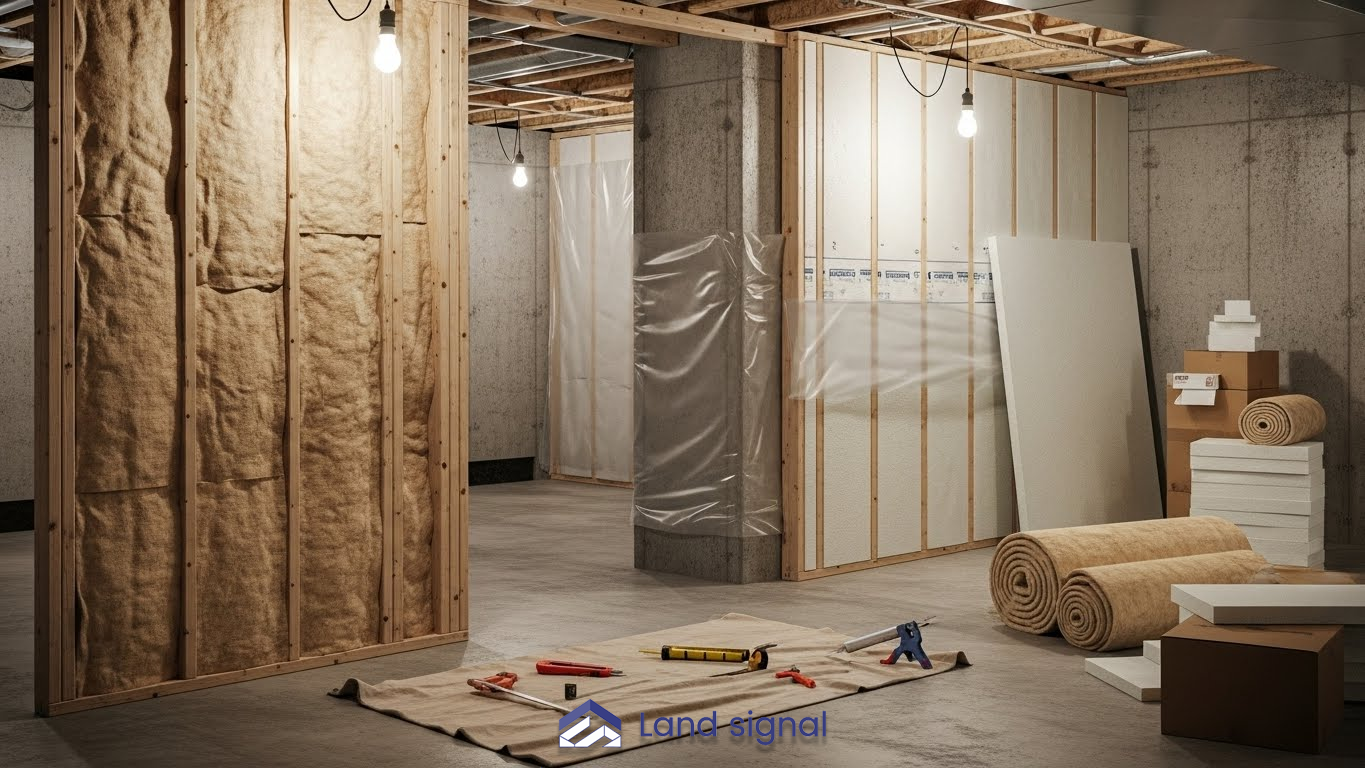
Interior insulation is the most common approach due to cost, accessibility, and lot constraints. The success of these systems depends on keeping warm indoor air separated from cold concrete while allowing controlled drying.
However after 2018 OBC looking to have a minimum 2” gap between Concrete Foundation wall and wood stud wall to be filled by continuous insulation there.
Rigid Foam Board Systems
Rigid insulation boards are widely accepted when installed continuously against foundation walls. They reduce condensation risk by maintaining warmer interior surface temperatures.
Typical characteristics of rigid insulation systems:
- Consistent thermal performance
- Predictable inspection approval
- Compatibility with framed finishes
- Requirement for fire-rated protection
Spray Foam Insulation
Closed-cell spray foam is often selected for basements with irregular surfaces or limited space. It functions as insulation and air barrier in a single layer.
Key attributes of spray foam systems:
- High thermal resistance per inch
- Effective air sealing
- Strong moisture resistance
- Higher material and installation cost
Mineral Wool and Hybrid Assemblies
Hybrid systems combine rigid insulation against concrete with mineral wool in stud cavities. This approach balances thermal performance, fire resistance, and sound control.
In this case sometimes especially in subdivision insulation blanket be used, insulation blanket is a combined insulation and vapor barrier be used. The only problem of this method is 6” width of this insulation.
Exterior Basement Wall Insulation
Exterior insulation is typically considered during major foundation work. By insulating the outside of the foundation, the concrete remains warmer and less prone to condensation.
Exterior insulation is most appropriate when:
- Waterproofing or drainage systems are being replaced (from outside or inside)
- Foundations are exposed during major renovations
- Long-term thermal performance is prioritized
- Budget and access allow excavation
Moisture Control and Vapor Management
Moisture management is the most common failure point in basement insulation projects. Incorrect vapor barrier placement can trap moisture inside wall assemblies, leading to mold and material degradation like using double V.B.
Effective moisture control strategies include:
- Controlling air leakage before adding insulation
- Selecting vapor control based on insulation type
- Allowing assemblies to dry in at least one direction
- Addressing foundation water issues before insulating
Note: Toronto inspectors routinely flag moisture risks when insulation assemblies are improperly detailed.
Insulating Basement Walls for Legal Basement Apartments
Legal basement apartments require insulation assemblies that meet energy efficiency, fire separation, and acoustic performance standards. Insulation choices directly affect approval under Legal Basement Permit Toronto review.
Additional considerations for legal basement units include:
- Fire-rated wall and ceiling assemblies
- Sound attenuation between dwelling units
- Coordination with ventilation systems
- Inspection sequencing and documentation
Benefits of Basement Insulation
- Energy Efficiency
Reduces heat loss and lowers utility bills during winter months.
- Improved Comfort
Eliminates cold floors and drafts on main living levels.
- Moisture Control
Helps prevent mold growth and condensation issues.
- Higher Property Value
Supports legal basement conversions and rental compliance.
Common Basement Insulation Mistakes in Toronto
Many basements insulation failures stem from decisions that ignore code and moisture behavior rather than material quality.
Frequent mistakes seen during inspections include:
- Installing fiberglass directly against concrete
- Adding vapor barriers without air sealing
- Insulating over active moisture problems
- Using unapproved materials or assemblies
- Completing work without permits
These issues often require removal and reinstallation during later Renovation Permit Toronto applications.
Cost Considerations for Basement Wall Insulation in Toronto
Basement insulation costs vary based on wall condition, insulation type, and permit scope. Interior rigid systems are generally more economical, while spray foam and exterior insulation increase project costs.
Insulation choices influence estimates generated by:
Note: Selecting insulation solely based on upfront cost often results in higher energy use and corrective work later.
When You Need a Permit or Professional Support
If your insulation project is part of a larger renovation, rental conversion, or structural upgrade, professional guidance is essential. This includes projects related to:
- Legal Basement Permit Toronto
- Renovation permit Toronto
- home building permits Toronto
- permit for house extension Toronto
This is where Land Signal plays a critical role. Land Signal helps homeowners understand zoning rules, permit requirements, and project feasibility before construction begins. Whether your basement upgrade connects to a Garden suite Toronto, Laneway suite Toronto, or future density options like multiplex housing, proper planning prevents delays and costly revisions.
Conclusion
Basement wall insulation in Toronto requires more than selecting a high R-value material. Climate conditions, moisture behavior, and Ontario Building Code requirements all influence long-term performance and inspection outcomes. Projects that consider insulation as part of a complete system consistently outperform piecemeal upgrades.
From a professional perspective, the most reliable basement insulation solutions are those designed with permits, moisture control, and future renovations in mind. When assemblies are detailed correctly from the start, homeowners gain lasting comfort, lower energy costs, and regulatory certainty.