










A wet or damp basement is one of those home problems that starts small and slowly gets worse if it’s ignored. If you have this problem, you’ve noticed a musty smell, peeling paint, or dark spots on the walls after heavy rain. For many homeowners, learning how to waterproof basement walls from the inside is the best first step toward fixing the issue. In this guide, we’ll walk through how to spot the warning signs, what you can do yourself, and when it makes sense to call professionals.
Why Waterproof Basement Walls?
Waterproofing basement walls stops small moisture issues from turning into bigger problems over time. Even a little bit of dampness can do a lot of damage to your home if you don’t pay attention to it. You should waterproof basement walls because doing so:
- Protects your home’s structure by reducing wall damage
- Prevents mold and mildew
- Keeps stored items safe from dampness
- Improves comfort and usability
- Preserves property value
How to Know When Your Basement Needs Waterproofing
Basement moisture doesn’t always show up as standing water. Often, the signs are pretty subtle at first. If you know what to look for, you can nip things in the bud before they become more serious. If any of these signs sound familiar, it’s a good sign that water is getting into your basement walls, and interior waterproofing could be the solution:
- Water stains or discoloration on basement walls, especially after rainfall. These marks may fade as the area dries but often return.
- Efflorescence, which appears as a white, chalky powder on concrete or masonry walls. This forms when moisture passes through the wall and leaves mineral residue behind.
- Peeling paint or bubbling wall coatings, caused by moisture pushing through the wall surface from behind.
- Musty odors, particularly after rain or during humid conditions, which can signal trapped moisture.
- Visible mold or mildew, often found on walls, corners, or lower sections of the basement in more advanced cases.
Read More: Requirements for Obtaining a Legal Basement Permit Toronto
Step-by-Step Instructions on How to Waterproof Your Basement From the Inside
Basement waterproofing is about stopping moisture at the wall surface and managing water that gets in through small cracks or porous concrete. The steps you need to take are:
- Inspect and Prepare the Walls: First, work out where the moisture is getting in. You’ll need to remove any peeling paint, loose material or old coatings. Give the wall a scrub with a stiff brush and some mild detergent if it needs it.
- Seal Cracks and Small Gaps: Look for any cracks or joints where water might get in. You can use hydraulic cement or masonry crack filler to seal small cracks.
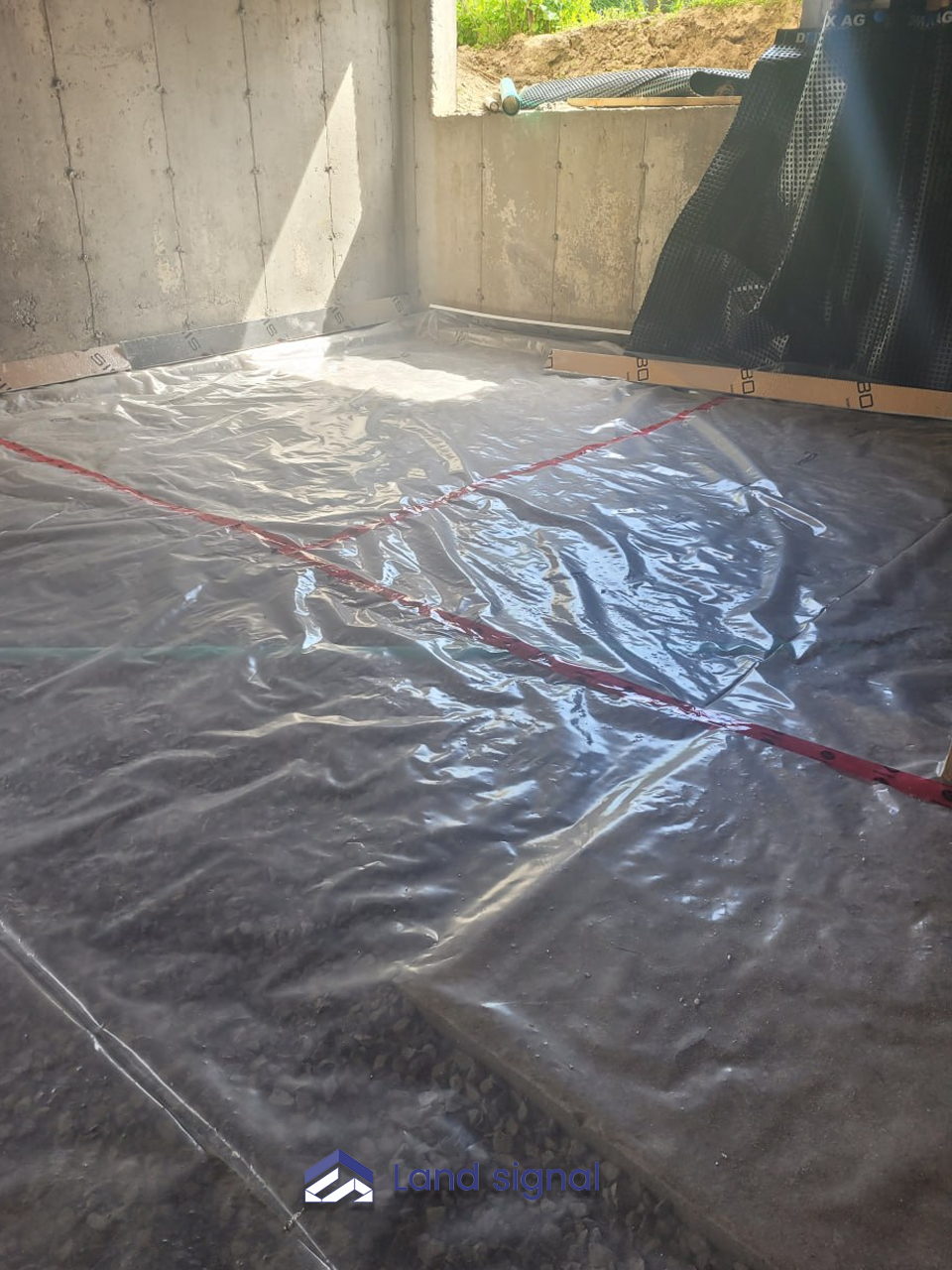
- Running Weeping tile pipe all around basement from inside and cover min 6” around that with crushed stone and connect that to a sump pump.
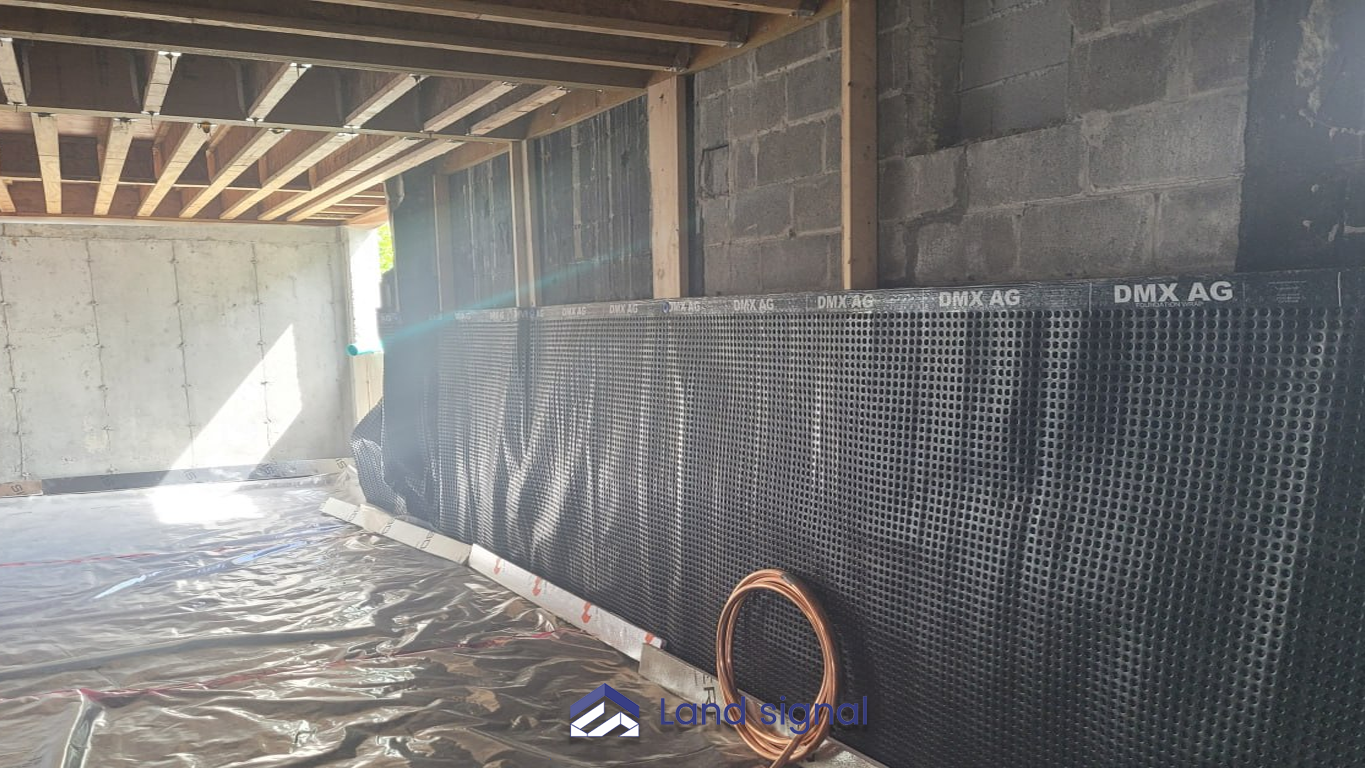
- Water proof Concert or concrete block walls with Water proofing material and then install membrane ( dimple board )from ground level to under crushed stones
- Install 2×4 walls, insulate, board that and apply an Interior Waterproofing Coating: Once the repairs are dry, you can apply a masonry waterproofing paint or sealant designed for basement walls. Use a brush or roller and follow the manufacturer’s instructions carefully.
- Control Moisture Inside the Basement: When it comes to interior waterproofing, it’s best to pair it with moisture control. A dehumidifier can help reduce humidity, and good ventilation improves airflow.
Challenges That Might Happen and How to Deal With Them
Waterproofing basement walls from the inside can work well, but there are a few common problems to watch out for. If you know what to expect, it’s way easier to handle any issues that might pop up. If you deal with these issues early on, you can make interior waterproofing more effective and keep your basement dry for longer.
- Water keeps coming back after heavy rain: This often means exterior drainage issues are putting pressure on the walls. You can help to reduce the amount of water reaching the basement by improving gutters, extending downspouts, or grading soil away from the foundation.
- Waterproof coating does not stick properly: This tends to happen when walls aren’t cleaned or dried properly. Just make sure you always remove loose paint, dirt and dust, and let the surface dry fully before you put any product on it.
- Cracks continue to grow over time: If you see expanding cracks, it could mean that the foundation is moving. You can fill in small cracks, but if the cracks are wider, you should get a professional to check it out to make sure it’s not going to mess up the structure.
- Mold returns even after treatment: This often means the humidity levels are still too high. Using a dehumidifier and improving ventilation can help keep moisture under control.
- Interior solutions are not enough: If your home is prone to flooding or has major leaks, just putting in interior waterproofing might not be enough. This is a good time to call in the professionals to check if you need any exterior waterproofing or foundation repairs.
Read More: Basement Insulation in Toronto
When to Call Professionals for Waterproofing Basement Walls From the Inside
While DIY solutions can be helpful, they’re not always enough. There are times when it’s better to get a professional to do the work.
If you’re dealing with water leaks that are heavy or frequent, or if you’ve got cracks that are wide or growing, or if mold keeps coming back even after cleaning, it might be worth getting in touch with some experts. If you’re seeing flooding during heavy rain or noticeable movement in the foundations, that’s a pretty good sign that interior fixes alone won’t cut it.
Experts can tell you if your interior waterproofing is good enough, or if you need to make improvements to your exterior drainage or structural repairs. Getting expert advice early can stop you from having bigger and more expensive problems later on.
How Land Signal Helps Homeowners With Basement Waterproofing
Land Signal supports homeowners, builders, and renovators by providing clear guidance on how to waterproof basement walls from the inside, foundation protection, and moisture control projects. Our team helps with:
- Zoning and permit for basement renovations, waterproofing work, and structural improvements
- Access to architectural and technical documentation when waterproofing is part of a larger renovation
- Referrals to vetted basement waterproofing and foundation specialists
- Reliable cost planning using tools like our construction and renovation cost estimator
Whether you’re addressing recurring dampness, planning a basement upgrade, or evaluating deeper foundation concerns, Land Signal helps you understand your options, plan costs accurately, and connect with the right professionals before work begins.
Conclusion
Learning how to waterproof basement walls from the inside is a great preventive method for moisture damage, but it’s important to accept help if problems run too deep. Keep an eye for any signs of damage and make sure to follow a good guide if you end up doing it yourself. I think that dealing with basement moisture as soon as possible makes your home more comfortable, healthier and much easier to maintain. If you get the right approach and support from trusted professionals like our team at Land Signal, you can keep basement moisture under control. Contact us today for an immediate solution.