










Homeowners in Toronto often ask how long a home addition will take, expecting a construction-based answer. In practice, most of the timeline is shaped well before construction begins. Zoning reviews, design coordination, permit approvals, and inspections all play a decisive role in how long a project actually takes.
In 2026, understanding the full process and the time required at each stage is essential for realistic planning. This guide explains the timeline step by step, based on current City of Toronto approval practices.
Start Your Project with Confidence
At Land Signal, we assist with construction and renovation permits, as well as Garden House and Laneway Suite designs. Let our experts guide you through every step.
Typical Home Addition Timeline in Toronto (2026)
A complete home addition in Toronto typically takes 8 to 15 months from early planning to final occupancy. The total duration varies depending on Types of Home Additions, project scope, zoning compliance, and approval requirements.
For most homeowners, the greatest time commitment occurs during the pre-construction phase rather than on the construction site.
Step-by-Step Home Addition Timeline
Step 1: Initial Planning and Feasibility Review
Estimated time: 2–4 weeks
This early stage confirms whether the proposed addition is realistic under Toronto zoning rules. Lot dimensions, setbacks, height limits, and existing building conditions are reviewed before detailed drawings are prepared.
Projects that invest time here tend to avoid redesigns and approval delays later.
Step 2: Architectural Design and Engineering
Estimated time: 2-4 weeks
Architectural and engineering drawings must satisfy both zoning and Ontario Building Code requirements. Structural analysis is particularly important for second-storey additions and larger rear extensions.
Clear decisions on layout and materials at this stage help prevent revisions during permit review.
Step 3: Zoning Compliance Review
Estimated time: 3-4 weeks
Once drawings are complete, zoning compliance is verified. This step determines whether the project can proceed as-of-right or requires minor variances.
Identifying zoning issues early reduces the risk of permit rejection.
Step 4: Committee of Adjustment (If Required)
Estimated time: 4-6 weeks ( it is not for all projects and could be skip)
When zoning variances are needed, an application to the Committee of Adjustment is required. The timeline includes application processing, hearing scheduling, and the mandatory 20-day appeal period after a decision is issued.
This stage often adds the most time to the overall project schedule.
Step 5: Building Permit Submission and Review
Estimated time: 4-8 weeks
As of January 12, 2026, all Toronto building permit applications must be submitted through the City’s digital portal.
Standard residential projects typically follow the House Stream, while smaller additions under 100 m² may qualify for FASTRACK review. Most permits involve at least one revision cycle before approval.
Step 6: Site Preparation and Foundation Work
Estimated time: 2–4 weeks
Excavation and foundation work must pass inspection before framing begins. Winter starts often extend this phase due to ground conditions and weather-related constraints.
Step 7: Framing and Structural Shell
Estimated time: 4–8 weeks
Framing establishes the structure and weather protection of the addition. Second-storey projects often require additional reinforcement, extending this phase.
Step 8: Mechanical Systems and Inspections
Estimated time: 3–8 weeks
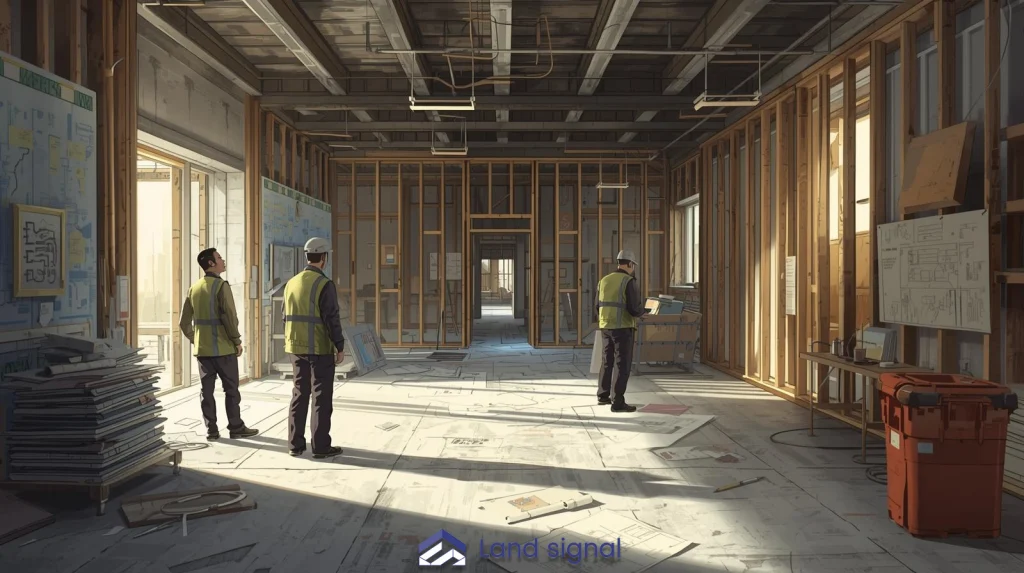
Plumbing, electrical, and HVAC rough-ins are installed and inspected. Work cannot proceed to drywall until all inspections are approved, making scheduling a critical factor.
Step 9: Insulation, Drywall, and Interior Finishes
Estimated time: 4–12 weeks
This stage includes insulation inspections, drywall installation, flooring, cabinetry, and painting. Timeline extensions commonly occur due to material lead times or late design changes.
Step 10: Final Inspections and Occupancy
Estimated time: 1–3 weeks
Final inspections confirm compliance with approved permits and Ontario Building Code standards. Once approved, the addition can be legally occupied.
Timeline by Type of Home Addition
- Small bump-out or sunroom: Typically completed within 3–5 months, with limited structural and zoning complexity.
- Second-storey addition: Commonly takes 6–12 months, driven by engineering and inspection requirements.
- Multi-room or rear addition: Often requires 8–10 months or longer, particularly when zoning limits are closely approached.
Key Factors That Delay Home Additions in 2026
Delays most often result from:
- Winter construction starts
- Inspection scheduling backlogs
- Design changes after permits are issued
- Heritage Conservation District approvals, typically adding 2–3 months
How Land Signal Helps You Plan a Realistic Home Addition Timeline
One of the biggest reasons home additions in Toronto take longer than expected is uncertainty during the planning and approval stage. Land Signal helps homeowners reduce this uncertainty before timelines start slipping.
- Clarifies zoning and bylaw constraints early, so you know whether your addition is feasible before design and permit submission
- Identifies approval risks upfront, including conditions that may trigger variances or additional reviews
- Supports smarter permit preparation, helping align drawings and applications with City requirements
- Sets realistic expectations for pre-construction timelines, reducing surprise delays during review and revisions
By addressing regulatory and planning issues at the start, Land Signal helps homeowners move into design and construction with clearer timelines and fewer setbacks.
Read Also:
A Realistic Takeaway
In Toronto, the timeline for a home addition is shaped more by approvals and sequencing than by construction speed. Zoning compliance, permit reviews, and mandatory inspections often account for a significant portion of the total schedule, particularly when projects approach height, setback, or lot coverage limits.
From professional experience reviewing Toronto addition projects, most delays begin before construction starts. Incomplete feasibility checks, late design changes, or underestimated approval timelines routinely extend schedules. When zoning strategy and permit readiness are addressed early, timelines become far more predictable.
Sources
- City of Toronto Building Division permit application process
- Toronto Zoning By-law 569-2013
- Ontario Building Code
- City of Toronto Committee of Adjustment procedures
- Residential construction scheduling benchmarks
FAQ
No. Construction must not begin until a building permit is approved. Starting work early can result in stop-work orders and enforcement penalties.
FASTRACK reduces initial review times for eligible projects, but it does not eliminate zoning checks, revisions, or inspection requirements.
The process typically adds 2 to 4 months, depending on hearing availability and appeal periods.
Yes. Inspections are mandatory checkpoints, and delays usually occur due to scheduling availability rather than failed inspections.
Yes. Mid-construction changes often require revised drawings and approvals, which can extend the schedule by 15 to 25 percent.
Often, yes. Older homes may require additional structural upgrades or code compliance work, which can add time during both design and construction.