










As exciting as it is, planning a home renovation can get quite stressful. There are so many things to keep in mind and it’s pretty difficult to keep tabs on everything amongst the chaos. One of the best ways to make it more manageable is an essential home renovation planning checklist. A well organized plan helps you stay on budget, avoid delays, and reduce stress throughout the process.
This essential home renovation planning checklist breaks the journey into four manageable phases. By following each step carefully, you’ll move from idea to completion with clarity and confidence.
Start Your Project with Confidence
At Land Signal, we assist with construction and renovation permits, as well as Garden House and Laneway Suite designs. Let our experts guide you through every step.
Phases of Home Renovation: What to Expect
It’s important that you plan ahead for every phase of your home renovation. Here’s what you need to focus on for each step of the way.
Phase 1: Vision & Budgeting
Start by defining your goals. Ask yourself what you want to achieve and why. Are you improving functionality, increasing resale value, or simply refreshing outdated spaces? Once your budget is clear, align your expectations with what that number can realistically cover.
Your checklist for this phase should include:
- Define the scope of the renovation
- List must haves versus nice to haves
- Gather inspiration photos and design ideas
- Establish a realistic budget range
- Include a contingency fund of at least 10 to 20 percent
- Research average renovation costs in your area
- Explore financing options if needed
Phase 2: Logistics & Professionals
Now that you know how much you can spend and what you want the project to look like, it’s time to get the right people involved and start working out how to make it happen. Hiring the right professionals is one of the most important decisions you’ll make.
Depending on the scope, you may need:
- A general contractor
- An architect or designer
- Structural engineers
- Electricians and plumbers
- Permit consultants
Before signing contracts, ask for references, check past work, and confirm licences and insurance. It’s very important to communicate clearly and write down any agreements.
This phase should also include:
- Finalizing design drawings
- Selecting materials and finishes
- Confirming product lead times
- Applying for required permits
- Creating a project timeline
- Planning temporary living arrangements if needed
Phase 3: The Build Process
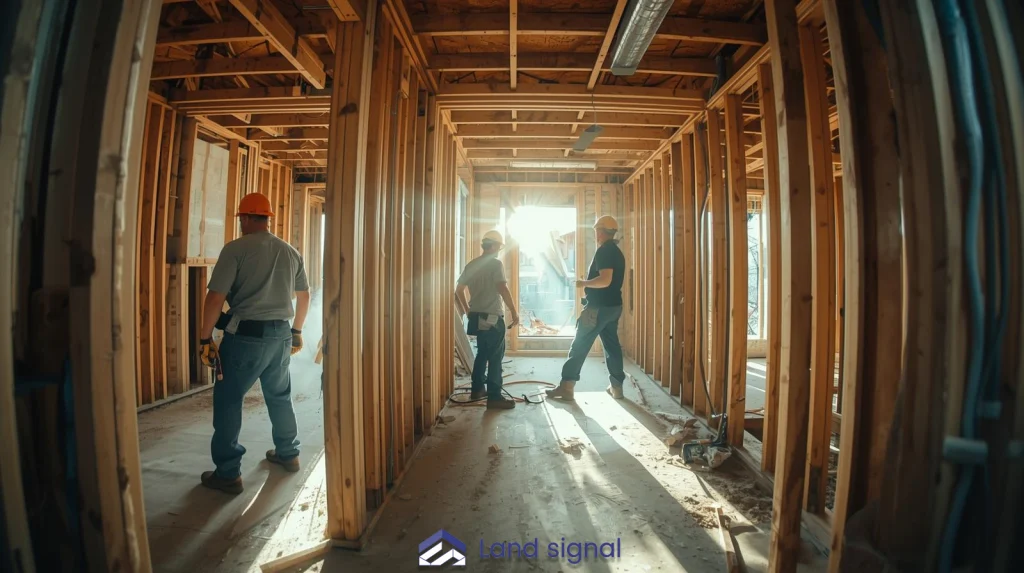
This is where your plans turn into reality. While construction can be disruptive, staying organized helps keep everything on track.
During the build process, focus on:
- Regular communication with your contractor
- Scheduled site visits to review progress
- Monitoring the timeline
- Tracking expenses against your budget
- Approving any change orders in writing
- Ensuring inspections are completed at required stages
Be prepared for some problems you might not have expected, especially in older houses. Problems with pipes and wires, or problems with the way the house is built, can appear once the walls are opened. That’s why your contingency budget exists.
Phase 4: Project Closeout
As construction is finishing, the focus is on the final details and paperwork. Take time to check the finishes, test the fixtures, and make sure everything works properly. If you deal with small issues now, you won’t be frustrated later. This phase makes sure that the renovation is done properly and that nothing is forgotten.
Your project closeout checklist should include:
- Final walkthrough with your contractor
- Creation of a deficiency or punch list
- Completion of all required inspections
- Collection of warranties and manuals
- Confirmation that permits are closed
- Final payment once all work meets expectations
Read Also:
How Land Signal Helps with Basement Insulation Compliance
Basement insulation becomes complicated when permits, inspections, and zoning approvals are involved. Many homeowners are unsure whether their insulation plans meet current code or how to document compliance.
Land Signal supports homeowners, designers, and contractors by:
- Reviewing basement renovation plans for Ontario Building Code compliance
- Confirming required minimum R-values based on project scope
- Identifying compliant insulation assemblies before construction starts
- Supporting renovation permit applications in Toronto and the GTA
By addressing insulation requirements early, projects move through approvals faster and avoid costly corrections later.
Read Also: Basement Lowering (Underpinning) in Toronto: What Homeowners Need to Know
Conclusion
A successful renovation is rarely about luck. It’s about planning carefully, budgeting sensibly, and communicating regularly from start to finish. If you follow this important home renovation planning checklist at each stage, you’ll feel more in control and less uncertain.
We believe if you prepare well and have a clear plan, you can make renovations feel manageable and rewarding. With the right plan, your renovated home will look better.
FAQ
For minor cosmetic updates, yes. For major structural work or projects affecting the only kitchen or bathroom, it is often safer and less stressful to temporarily relocate.
Generally, “cosmetic” work (painting, new carpets) does not. However, anything affecting plumbing, electrical, or structural walls almost always requires local council approval.
Lock in all material selections before construction starts to prevent mid-project price hikes and only manage changes through written “change orders”.
Sources
- 4 Local Homes. (2025). A Checklist for Planning a Home Renovation.
A homeowner‑focused guide outlining key steps and considerations—from budgeting and timelines to contractor coordination—for successful renovation planning.
Retrieved from https://4localhomes.com/blog/home-renovation/a-checklist-for-planning-a-home-renovation/ - Matterport Blog. (2025). Home Renovation Checklist: What to Know Before You Start.
A practical checklist covering essential pre‑renovation planning tasks, including decision points for design, documentation, and space visualization.
Retrieved from https://matterport.com/blog/home-renovation-checklist - Provincial Homes. (2024). Renovating a House Checklist: Essential Steps for Home Improvement.
An overview of critical renovation phases and tasks, highlighting preparation, approvals, and execution for improving or updating a home.
Retrieved from https://www.provincialhomes.com.au/renovating-a-house-checklist-essential-steps-for-home-improvement/