







Planning a commercial construction or renovation project in Toronto often looks straightforward on paper. In reality, the permitting process can quickly become one of the most complex and time-sensitive parts of the project. Commercial permits in Toronto are governed by zoning bylaws, the Ontario Building Code, fire safety regulations, and use-specific rules that vary by location and building type.
For business owners, delays or mistakes at the permit stage can mean lost revenue, postponed openings, or costly redesigns. Understanding which permits are required, when they apply, and how the approval process works is essential before any work begins.
This guide explains the types of commercial permits in Toronto, the projects that trigger permit requirements, and how the application process works, helping business owners plan with confidence and avoid common setbacks.
Understanding the Different Types of Commercial Permits
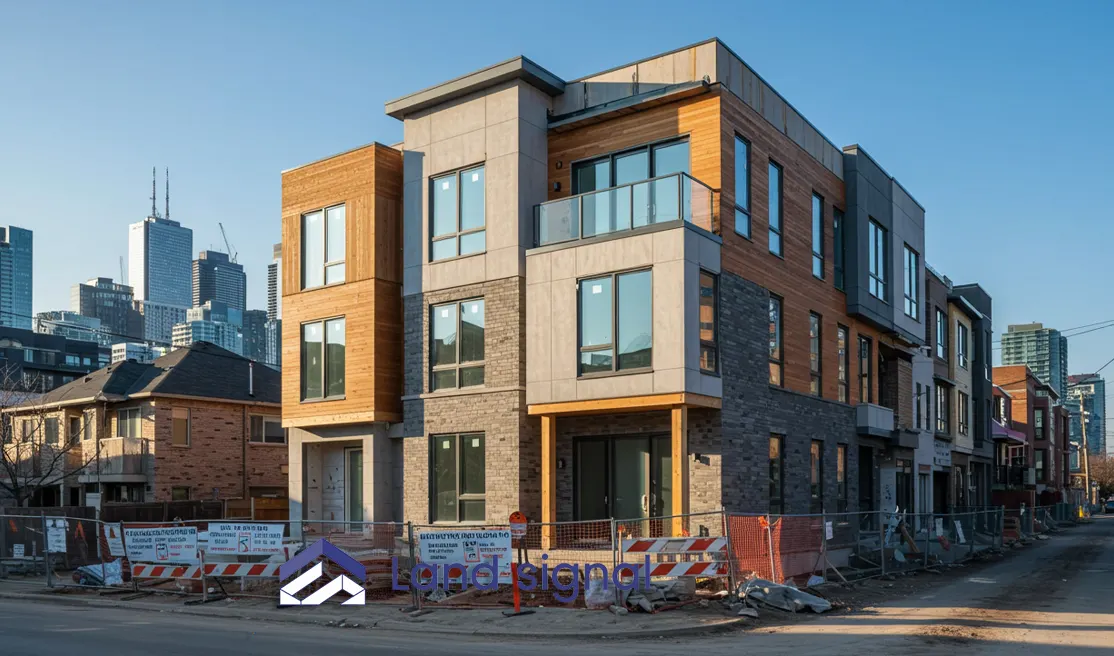
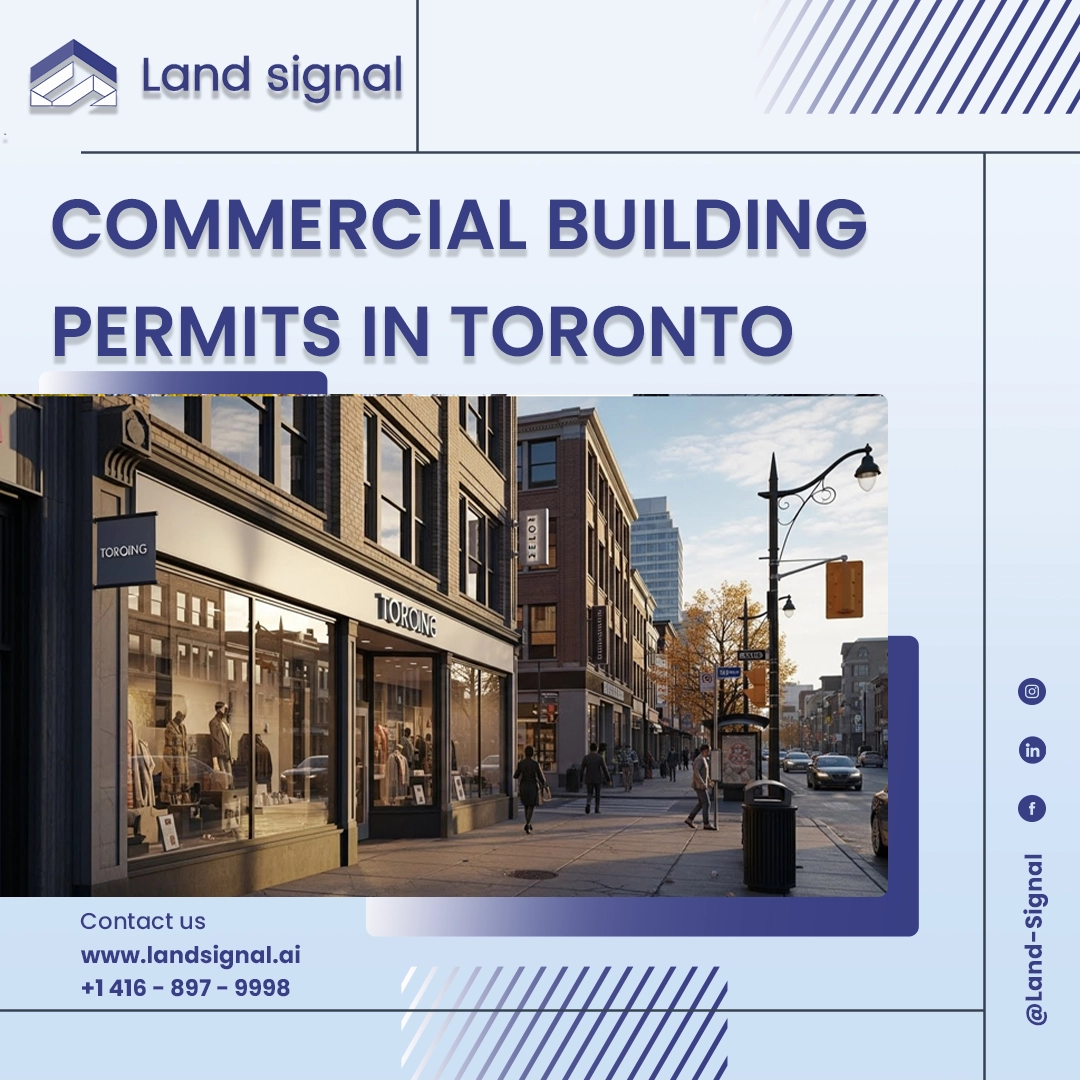
In Toronto, commercial permits generally fall into two broad categories. One relates to business operations, while the other governs construction and physical changes to buildings. This article focuses specifically on commercial building permits, which regulate how commercial spaces are built, altered, or repurposed.
Commercial building permits typically apply to:
- New construction and major renovations
Any new commercial building or significant alteration to an existing structure requires a permit.
- Tenant improvements
Interior changes within a leased commercial space may require a permit, depending on the scope of work and whether structural, mechanical, or fire safety elements are affected.
- Change of use
Converting a space from one use to another, such as office to retail or retail to restaurant, often requires a permit even when no physical construction is planned.
Projects That Trigger Commercial Permit Requirements
Commercial permits in Toronto are required whenever work affects the safety, structure, or regulated use of a building. Business owners should expect a permit to be necessary if a project includes:
- Changing how a building or unit is used, such as converting an office into a retail or service space
- Altering the interior layout, including adding or removing wall.
- Adding structural elements like mezzanines, staircases, or elevators
- Modifying mechanical systems such as plumbing, HVAC, or electrical wiring
- Installing or altering windows, doors, or load-bearing walls
- Any change on side walls including extension or restoration.it need to check if it is shared wall with adjacent property or that is individual side wall of same property.
- Upgrading or modifying fire safety systems, including sprinklers, alarms, or emergency exits
Minor cosmetic work, such as painting or replhttps://landsignal.ai/blog/home-extension-permit-toronto/acing finishes without affecting regulated systems, does not usually require a commercial permit.
A Step-by-Step Guide to Applying for Commercial Permits in Toronto
Applying for commercial permits in Toronto follows a structured review process. Preparing properly at each stage can significantly reduce delays.
- Determine the project scope: Confirm whether the proposed work requires a commercial permit. Structural changes, mechanical upgrades, and changes of use almost always do.
- Prepare required documentation: Most applications require detailed drawings, including architectural plans and site plans. Depending on the project, drawings prepared by an architect or engineer may be required.
- Zoning review if needed: Some projects require a zoning review before a building permit can be issued, particularly when the proposal does not clearly comply with zoning bylaws or involves a change of use.
- Submit the application: Applications can be submitted online through the City of Toronto’s ePlans portal or in person.
- City review process: City reviewers assess compliance with the Ontario Building Code, zoning bylaws, fire safety requirements, and other applicable regulations.
- Permit issuance: Once the application is approved and fees are paid, the permit is issued. A copy must be kept on site during construction.
How Land Signal Helps with Commercial Permits in Toronto
Commercial permit applications often stall due to zoning conflicts, incomplete drawings, or unclear use classifications. Business owners may underestimate how zoning, fire code, and building code requirements interact, especially during renovations or tenant improvements.
Land Signal supports commercial projects by addressing these challenges early and strategically. Our services include:
- Zoning bylaw review to confirm permitted use and compliance
- Guidance on when a zoning review is required before permit submission
- Coordination of permit-ready documentation for commercial renovations and build-outs
- End-to-end management of commercial building permit applications
By aligning zoning compliance with permit strategy from the outset, Land Signal helps business owners reduce review cycles, avoid redesign costs, and keep projects on schedule.
Final Thought
Commercial permits in Toronto do not need to become a roadblock if they are approached with the right preparation. Understanding when permits are required, what triggers additional reviews, and how the application process works allows business owners to plan realistically and protect their investment.
Whether you are renovating an existing space, fitting out a new tenant unit, or changing how a building is used, permit compliance is a critical part of long-term operational success. With proper planning and professional support where needed, commercial projects can move forward efficiently and with confidence.