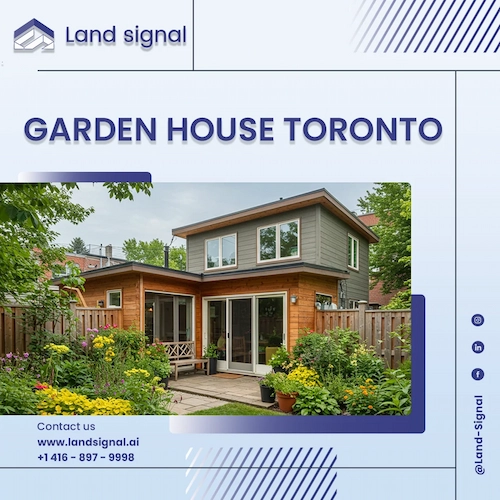










Many Toronto homeowners look to a garden house as a way to create more space or generate extra income. The idea is straightforward: use the rear yard to build a small, independent unit that can serve as a rental suite, a place for family, or a long-term investment. The challenge is that Toronto’s approvals system is detailed and often confusing for first time builders.
Most delays come from misinterpreting zoning rules or overlooking requirements in the Ontario Building Code.
This guide focuses on what you need to understand before you begin, and how to move through the process with fewer surprises.
What a Garden House Is in Toronto
A garden house, also called a garden suite, is a secondary dwelling placed in the rear yard of a property that already has a house. It must be detached and self contained, and it must sit behind a primary home that is detached, semi detached, or row housing. The unit is legal only when it meets the City’s zoning and building regulations.
Garden houses differ from laneway suites. A laneway suite must sit on a lot that borders a public laneway. A garden house does not. Instead, it uses space deeper in the rear yard and relies on a side yard access path. Both types are part of Toronto’s effort to allow modest increases in density without changing neighborhood character too quickly.

How the Approval Process Works
Approvals follow a sequence that the City expects applicants to respect. Skipping steps increases the risk of rejection.
Zoning Review
Start by checking whether your lot qualifies and what you can build. Zoning controls maximum height of garden suite, building footprint, setbacks from property lines, separation distance from the main house, and the amount of rear yard that must remain landscaped. If your garden suite design exceeds any limit, you may need a Minor Variance through the Committee of Adjustment. This adds time and cost, so early confirmation is important.
Read Also: Front Yard Setback Averaging in Toronto
Applicable Law Review
Toronto uses the term “Applicable Law” to describe additional garden suite rules beyond zoning in Toronto. A garden house often triggers several of these. Common examples include:
- Tree protection rules if you have mature trees or roots near the building location
- Toronto Water requirements for service upgrades
- Toronto Green Standards
- Heritage rules if the main house is listed or designated
- TRCA regulations for properties near ravines or floodplains
- Many projects overlook at least one of these and end up revising drawings during permit review.
Building Permit Submission
Once zoning and applicable laws are understood, you can prepare your permit package. A complete submission typically includes:
- Architectural drawings with dimensions and elevations
- Structural engineering
- Site plan with grading and drainage details
- Servicing and utility layout
Toronto Building checks the design against the Ontario Building Code and the Zoning By-law. If anything is unclear, they request revisions. Each resubmission adds time, so complete drawings matter.
Read Also: Home Building Permits Toronto
Construction and Inspections
After the permit is issued, work must follow the approved plans. Inspectors review key stages, including the foundation, framing, plumbing and mechanical installation, air barrier, and final occupancy. Skipped inspections can delay occupancy or force you to expose completed work.
Key Rules That Affect Design of Your Garden Suite
Size and Height
Toronto sets clear limits on how large a garden house can be. Height usually cannot exceed about 6.2 meters, but the exact limit depends on the distance to the main home. The floor area is also capped. These rules prevent oversized backyard buildings and keep a balanced scale on residential lots.
Setbacks and Distances
A garden house must sit a minimum distance away from the main house, side lot lines, and the rear lot line. These distances address privacy and fire separation. On narrow or shallow lots, setbacks often determine whether a garden suite is realistic.
Access for Fire Services
The fire department needs a clear path from the street to the unit. The path must be unobstructed, reasonably level, and wide enough for equipment. If fencing or landscaping restricts access, the design must be adjusted.
Soft Landscaping
Toronto requires a portion of the rear yard to remain landscaped with permeable material. This helps manage stormwater and protects neighborhood green space. A garden house that uses too much of the yard often fails zoning review.
Servicing
Most garden houses connect to the main dwelling’s water, sewer, and electrical systems. Capacity must be confirmed. In some cases, the electrical panel requires upgrading, or a new water service line is needed.
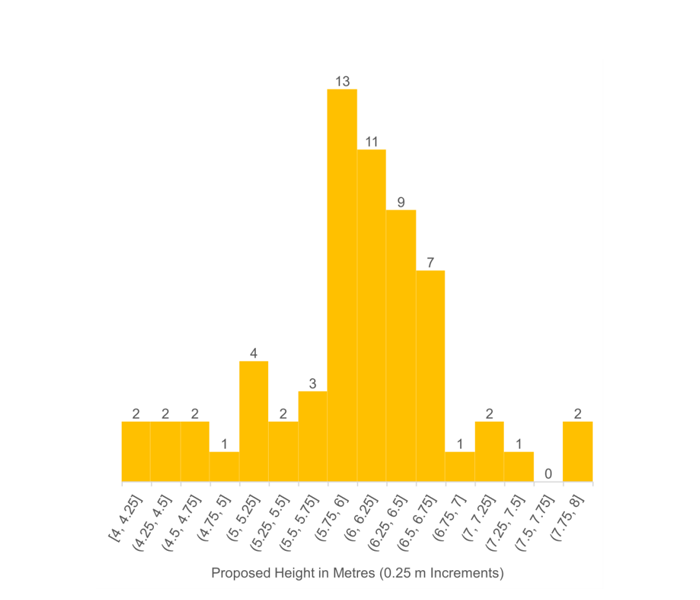
Planning the Right Garden Suite Size for Your Toronto Home
Garden suite size regulations in Toronto play a critical role in determining what can be built, how functional the space will be, and the overall value it adds to a property. From footprint limits and height allowances to Gross Floor Area calculations, understanding garden suite rules in Toronto early in the planning process helps homeowners assess feasibility, control construction costs, and make informed design decisions. A well-sized garden suite respects zoning requirements while maximizing livability, preserving backyard space, and allowing flexibility for future property development. With professional guidance, these regulations can be navigated confidently to deliver a compliant, efficient, and high-performing garden suite.
Building Backyard Homes Toronto: Expanding Housing Possibilities
Building backyard homes in Toronto has become an increasingly practical solution for homeowners seeking added space, rental income, or multi-generational living options. While backyard homes are often grouped with garden suites, they require the same careful attention to zoning, setbacks, servicing capacity, and structural design.
For many properties, building backyard homes Toronto introduces considerations such as fire access routes, tree protection zones, and the need for detailed site planning to ensure the new structure fits safely within the rear yard.
These projects also demand accurate budgeting, as service upgrades and foundation work can add unexpected costs. When properly designed and permitted, backyard homes provide flexible living arrangements while increasing property functionality and long-term value.
Benefits of Building a Garden House in Toronto – Beyond Added Space
Many Toronto homeowners explore garden houses for the extra living space they offer, but these backyard units provide more than just square footage. Understanding the full range of benefits helps homeowners determine if a garden house aligns with their goals, whether they are lifestyle-driven, investment-oriented, or a combination of both.
- Generate Passive Rental Income: In Toronto’s tightly controlled rental market, garden houses present a compelling opportunity for steady rental revenue. Homeowners can generate monthly rental income by creating a fully self-contained living unit with its own kitchen and bathroom.
- Increase Overall Property Value: Accessory dwelling units, such as garden houses, that are legally permitted have strong resale attraction. Properties with legally permitted secondary units often sell for a higher price than similar properties without them because they appeal to buyers seeking income potential or flexible living arrangements.
- Support Multigenerational or Flexible Living: Garden houses offer private yet accessible living spaces, making them ideal for aging parents, adult children, or extended family. This setup allows households to stay close while maintaining personal space, which typical home additions often can’t provide as effectively.
How Land Signal Can Help
Building a garden house in Toronto requires careful zoning review, precise design work, and a clear understanding of how the City evaluates accessory structures. Land Signal helps homeowners streamline this process and avoid costly compliance issues.
We assist with:
- Evaluating your lot for garden house eligibility under Toronto’s zoning bylaw
- Preparing accurate drawings and documents for a successful permit submission
- Identifying risks such as tree protection zones, servicing constraints, and setback limitations
- Providing cost guidance and helping you align your project with real construction conditions
- Managing communication with City reviewers to prevent delays
If you want a compliant, efficient path to a fully approved garden house, Land Signal is ready to guide your next steps.
Conclusion
A garden house can be a strong investment for Toronto homeowners, but success depends on understanding the Toronto city’s rules and following the approval process carefully. When zoning, building code requirements, servicing needs, and tree protection issues are addressed early, the project becomes more predictable.
From my perspective working with Toronto’s development environment, the city is gradually tightening its review standards and placing more emphasis on safety and servicing capacity. Homeowners who approach the process with clear information and realistic expectations have the smoothest experience. A practical plan and early due diligence will always produce better results than rushing into design without confirming what is allowed.