










Expanding a home in Toronto is a chance to create more useful space and improve how the property supports day-to-day living. Many homeowners consider an addition when a family grows, rooms feel cramped, or the layout no longer works.
Turning that idea into construction requires more than selecting materials or choosing a design. Before work starts, the project must pass through a detailed municipal review that determines what can be built, where it can be placed, and how it must be constructed.
Most delays occur long before construction begins. Many applications stall because of incomplete drawings, misunderstood zoning rules, or building code conflicts that could have been avoided during early planning.
This guide explains how the City evaluates extension projects and outlines a clear process that helps homeowners move from concept to construction with confidence.
The Core Definition and Legal Context
A house extension is any structural expansion of an existing house. It may involve adding a new floor, enlarging the rear or side of the home, altering foundations, or modifying load-bearing walls. The City requires home building permits for all structural extensions. These permits confirm that the proposal complies with zoning regulations, the Ontario Building Code, and other municipal rules.
Zoning Bylaw 569-2013 regulates lot coverage, building height, setbacks, and overall massing. These rules determine how an extension fits within the property and the surrounding neighborhood. The Ontario Building Code establishes structural, fire safety, insulation, plumbing, and mechanical standards. Both documents work together to guide design decisions and ensure construction is safe and durable.
Understanding these foundational requirements early helps prevent costly revisions after drawings are submitted.
The Toronto Permit Roadmap: Step by Step
1. Zoning Review
Every extension begins with a zoning analysis. This step determines what is feasible based on the property’s size, shape, and zone category. Key zoning considerations include:
- Required setbacks from the front, rear, and side lot lines
- Permitted building height
- Maximum lot coverage
- Allowed building length and depth
- Soft landscaping requirements
This review allows the designer to build an accurate framework for the extension and identify whether the project will require a minor variance.
2. Applicable Law Review
The City cannot issue home building permits until all applicable laws are satisfied. Some properties fall under additional requirements, such as:
- Tree protection regulations
- Heritage designation or listing
- Conservation authority limits
- Grading and drainage rules
Failing to address these factors early can delay the application.
3. Design and Engineering
Once zoning constraints are understood, the architectural design can begin. A licensed designer or architect prepares plans that show how the extension will connect to the existing structure. A structural engineer assesses foundation loads, framing design, lintel sizing, and bearing conditions. Required documents often include:
- Site plan with measurements and grades
- Floor plans showing the new layout
- Elevations and building sections
- Structural drawings
- Mechanical, electrical, and plumbing details if applicable
These drawings must demonstrate full compliance with the Ontario Building Code and zoning regulations.
4. Permit Application Submission
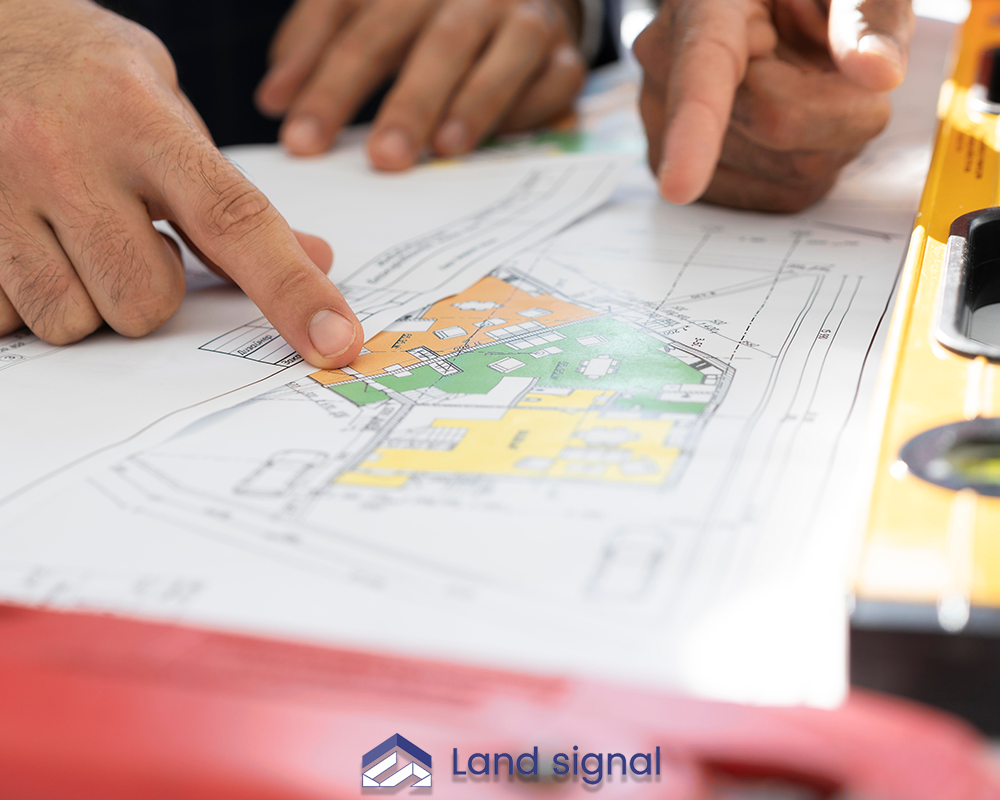
A complete submission includes drawings, application forms, and supporting documents. The City reviews the application for zoning compliance, structural integrity, fire protection, and general building code adherence.
One of the most common causes of delay is incomplete information. Errors in measurements, missing structural details, or unclear notes often require resubmission. Careful preparation helps ensure home building permits in Toronto move through review more efficiently.
5. Committee of Adjustment (If Needed)
If the design exceeds zoning limits, such as height or building depth, a minor variance is required. The Committee evaluates whether the extension is reasonable and meets planning intent. Approval allows the project to proceed without significant redesign.
6. Appeals Through TLAB
If the Committee denies the variance, the applicant can appeal the decision through the Toronto Local Appeal Body. This process requires professional planning justification and often legal support. While appeals are less common, they remain an option for projects that align with broader planning goals.
7. Construction and Inspections
Once home building permits are issued, construction can begin. The City conducts inspections at key stages, such as:
- Foundation
- Framing
- Plumbing rough-ins
- Insulation and air barrier
- Final building inspection
Each inspection confirms that the work matches the approved drawings and meets safety requirements. Passing all inspections is required for occupancy or project completion.
Key Zoning and Design Requirements
Setbacks
Setbacks determine the minimum distance between the extension and the property lines. These limits shape the size and placement of the addition. Even small encroachments require approval through a minor variance.
Height Limits
Height must be measured from established grade. Exceeding the permitted height can trigger significant design changes, so accurate calculations are essential.
Lot Coverage
Lot coverage regulates how much of the lot can be occupied by buildings. Extensions must be designed to remain within these limits unless approval is obtained through the Committee of Adjustment.
Building Depth and Length
Residential zones include restrictions on building depth and overall building length. These rules help prevent oversized rear additions that could overshadow neighboring properties.
Soft Landscaping Requirements
Certain zones require a minimum amount of soft landscaping in the front yard. This can affect driveway dimensions and walkway placement.
Fire Access Requirements
Side yard clearances influence fire access and may require non-combustible materials or additional fire-rated construction.

Navigating the Applicable Law
- Ontario Building Code: The Building Code governs structural design, fire resistance, heating and ventilation, plumbing, and energy performance. An extension must meet these standards to qualify for house building permit.
- Zoning Bylaw: Zoning controls where and how much you can build. It regulates height, massing, use, and property layout. A zoning check is essential before design begins.
Project Risk and Cost Assessment
Tree Protection Restrictions
Protected trees near the construction area can limit excavation and foundation placement. Tree protection zones may require redesigns or specialized construction methods.
Existing Structure Conditions
Older homes often reveal structural weaknesses once demolition begins. Reinforcement may be necessary to support the new load.
Hidden Servicing Costs
Upgrading plumbing, drainage, and HVAC systems can increase project costs. These items are often overlooked in early budgeting.
Incomplete Permit Submissions
Missing details or inconsistent measurements can lead to long review times and extra fees. Complete drawings are essential for smooth processing of home building permit in Toronto.
Zoning Misinterpretation
Misunderstanding height limits, main wall definitions, or yard requirements often results in redesigns that delay the project.
Read Also: Maximum Main Wall Height for Multiplex In Toronto
How Land Signal Can Help
Land Signal provides clear, practical support for homeowners navigating Toronto’s permitting system. If you are planning a home extension or upgrading an existing structure, we help you move from concept to approval with confidence.
We assist with:
- Preparing and submitting home building permits in Toronto with full zoning and OBC compliance
- Managing multi-unit applications, including fourplex permit and triplex permit
- Reviewing site conditions and identifying risks before the City flags them
- Coordinating required drawings, engineering reports, and revisions
- Streamlining communication with municipal reviewers to avoid delays
- If you want a project that is compliant, predictable, and approved on time, Land Signal is ready to guide your next steps.
Conclusion
A successful home extension requires a clear understanding of zoning limits, building code requirements, and the permitting process. By preparing accurate drawings and addressing zoning and structural issues early, homeowners can move through the review process efficiently and protect their investment. Home building permit in Toronto provide the framework for safe and compliant construction, and understanding that framework is essential for a reliable outcome.
From my perspective, Toronto’s regulatory environment continues to grow more detailed as the City manages growth and intensification. As someone familiar with these processes, I see a trend toward closer examination of zoning limits, structural details, and site impacts. Homeowners who take a proactive approach and work with experienced professionals will be better equipped to navigate home building permits in this evolving landscape.