










Home renovation comes with all sorts of questions and confusions. It’s only natural to hesitate when it comes to getting work done on your property. One of the most intimidating problems can be the expenses related to home renovation, but if you learn about the tax incentives, it might make your decision a lot easier.
Canada offers a home renovation tax credit to homeowners who meet certain conditions. In this blog, we’ll go over these conditions to help you find out if you can claim home renovations on your taxes, the key programs, and tax credits.
Start Your Project with Confidence
At Land Signal, we assist with construction and renovation permits, as well as Garden House and Laneway Suite designs. Let our experts guide you through every step.
What is the Home Renovation Tax Credit?
In Canada, there’s not one single tax credit that covers all home renovations. Instead, the federal government offers specific tax credits and programs designed to support accessibility, safety, and energy efficiency. These credits are there to help homeowners make their homes better for older people, disabled people, or family members who need better accessibility.
Most tax credits for renovations can’t be refunded. This means that if you owe tax, these credits will reduce the amount you owe, but you won’t receive cash back. You can only get this tax credit if you meet the exact requirements set by the Canada Revenue Agency.
Read Also : Grants & Tax Credits for Seniors (2026 Guide |Toronto & Ontario)
Federal Tax Credits for 2026 You Should Know
There are several programs that homeowners often mention when asking about claiming renovations on their taxes. Each program has its own rules about who can get it, how much you can spend, and what documents you need to provide. So, it’s important to check these rules carefully before you claim anything.
- The Multigenerational Home Renovation Tax Credit (MHRTC) supports renovations that create a self-contained secondary unit for a qualifying relative. This is often used when adding a suite for an aging parent or an adult child with a disability.
- The Home Accessibility Tax Credit (HATC) helps cover renovations that improve safety and accessibility for seniors or individuals eligible for the disability tax credit.
- The Seniors’ Home Renovation Tax Credit, available in some provinces, is designed to help older homeowners stay in their homes longer by supporting safety-focused upgrades.
- Energy efficiency programs focus on upgrades that reduce energy use, such as improved insulation, windows, doors, or heating systems. These programs often work alongside federal or provincial rebates rather than direct tax credits.
What Renovations Qualify for Tax Credits?
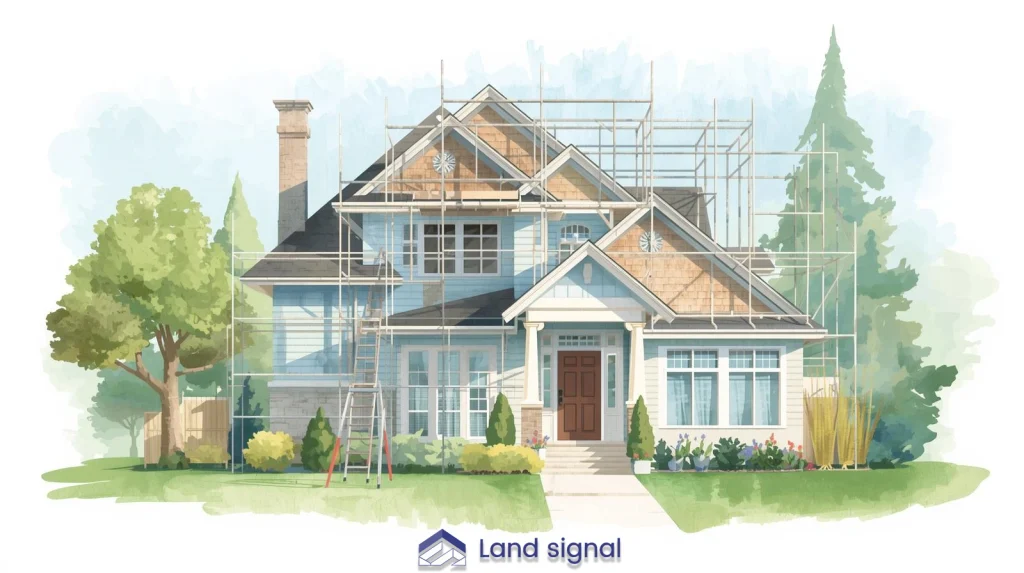
To qualify for most tax credits related to renovations, the work usually needs to be considered of an enduring nature. This means it has to be a lasting improvement that becomes part of the home and serves a practical purpose. These types of renovations are seen as necessary improvements rather than lifestyle upgrades, which is why they are more likely to qualify.
Qualifying renovations often include work that improves accessibility or safety, such as:
- Installing walk-in tubs or barrier-free showers
- Adding wheelchair ramps or stair lifts
- Widening doorways or hallways
- Lowering countertops or installing grab bars
- Creating a self-contained secondary unit with a private entrance, kitchen, and bathroom
What Renovations Do Not Qualify for Tax Credits?
If the main reason for the renovation is for aesthetics, and not to make the home safer or more energy efficient, you usually can’t claim home renovation on your taxes. Many common home improvements don’t qualify for tax credits, even though they may make your home more comfortable or increase its value when you want to sell it. If you make changes to your home just to make it look better, it probably won’t meet the CRA’s requirements.
Examples of non-qualifying renovations include:
- Painting walls or ceilings
- Replacing flooring for aesthetic reasons
- Landscaping or garden upgrades
- Installing new cabinets without accessibility changes
- Decorative lighting or finishes
Read Also:
Land Signal: Supporting Renovations That Qualify for Tax Credits
Land Signal helps homeowners plan and approve renovations that align with federal and provincial tax credit programs. Whether you’re creating a secondary suite, improving accessibility, or upgrading your home for safety and long-term use, our team ensures your project meets all municipal and building requirements. We assist with:
- Building permit applications for secondary units and structural renovations
- Zoning and bylaw compliance reviews for multigenerational additions
- Coordination of drawings and documentation required for accessibility upgrades
- Guidance on creating self-contained units that meet legal and safety standards
- Clear support throughout the approval process to help avoid delays and costly revisions
Whether you’re renovating for family needs, accessibility, or long-term planning, Land Signal helps make the approval process straightforward, compliant, and stress free.
Conclusion
Can I claim home renovation on my taxes in Canada? The answer is yes, but only if the renovations fall under certain criteria: accessibility, safety, or qualifying family needs. I believe before starting a renovation, it’s smart to understand which credits apply and keep detailed records of expenses. A little planning can make a big difference when tax season comes around.
If you need help with the planning and the renovation itself, contact our expert team at Land Signal today.
FAQ
You can get some of the money you spend on your home back. This includes things like heating, home insurance, electricity, and cleaning materials. You can also get some of your property taxes, mortgage interest and capital cost allowance (CCA) back.
Most home improvements don’t reduce your taxes straight away, but improvements to your property that increase its value might mean you pay less tax when you sell it. Some improvements, like energy-saving systems, might mean you can get money back from your taxes. Check your insurance coverage after making major upgrades to make sure your investment is fully protected.
Generally, the qualifying individual (the senior or person with a disability) must ordinarily reside or intend to reside in the home within 12 months of the renovation’s completion for you to claim federal credits like the HATC or MHRTC.
Sources
- Expenses You Can Claim for the Home Renovation Tax Credit (HRTC)
Government of Canada — Official guidance on eligible expenses you can claim when completing your tax return under the Home Renovation Tax Credit (M-HRTC).
https://www.canada.ca/en/revenue-agency/services/tax/individuals/topics/about-your-tax-return/tax-return/completing-a-tax-return/deductions-credits-expenses/line-45355-mhrtc/expenses-claim-mhrtc.html - Home Renovations and Tax Credits
National Bank of Canada — Overview of tax credits and financial considerations related to home renovations in Canada.
https://www.nbc.ca/personal/advice/home/home-renovations-tax-credits.html - Home Accessibility Tax Credit Guide
Bathway — A guide explaining the Home Accessibility Tax Credit (HATC), including eligibility and qualifying renovations.
https://www.bathway.ca/home-accessibility-tax-credit-guide