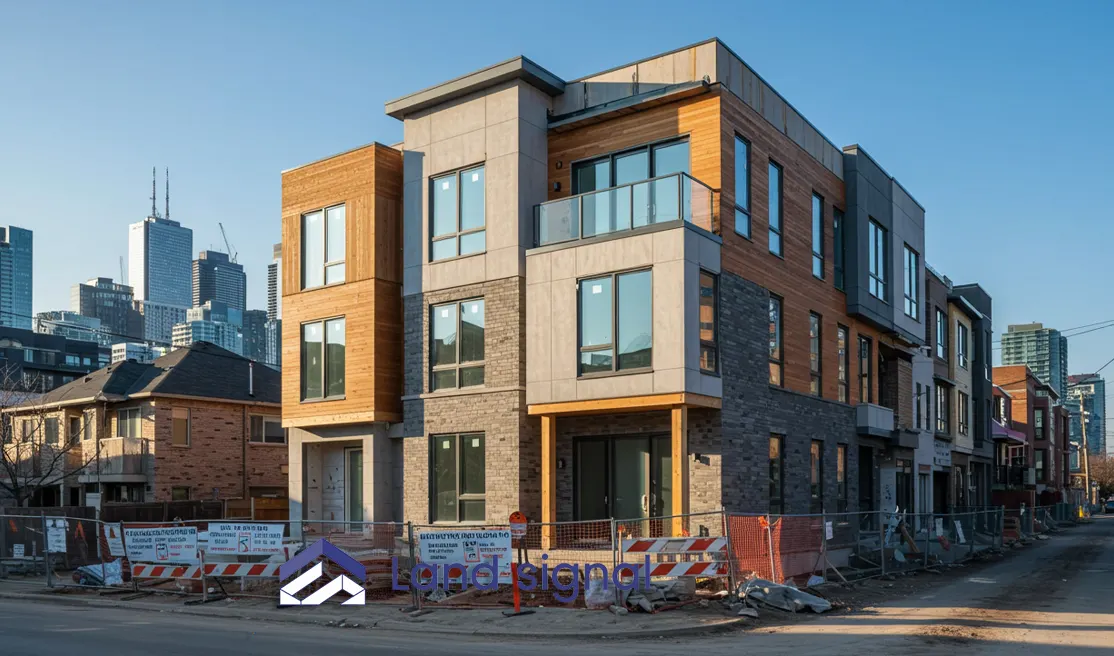











Laneway suites have become a practical way for Toronto homeowners to add usable space, generate rental income, and increase property value. These self-contained units sit at the rear of a lot and offer privacy, flexibility, and a smart opportunity to optimize property function. However, many projects run into challenges because homeowners are not fully prepared for the unexpected laneway building cost items that can appear during design, permitting, or construction.
Before work begins, it’s essential to understand both the standard expenses and the laneway house unexpected cost Toronto homeowners commonly encounter. These may arise from servicing upgrades, zoning adjustments, access limitations, soil conditions, or design revisions. Laneway suites also require precise budgeting, accurate architectural drawings, and full compliance with City of Toronto regulations.
This guide breaks down the major cost categories, explains the steps for designing and permitting a laneway suite, and outlines the financial factors that shape the final laneway suite cost in Toronto.
What Are Laneway Suites and Why Are They Increasing in Toronto?
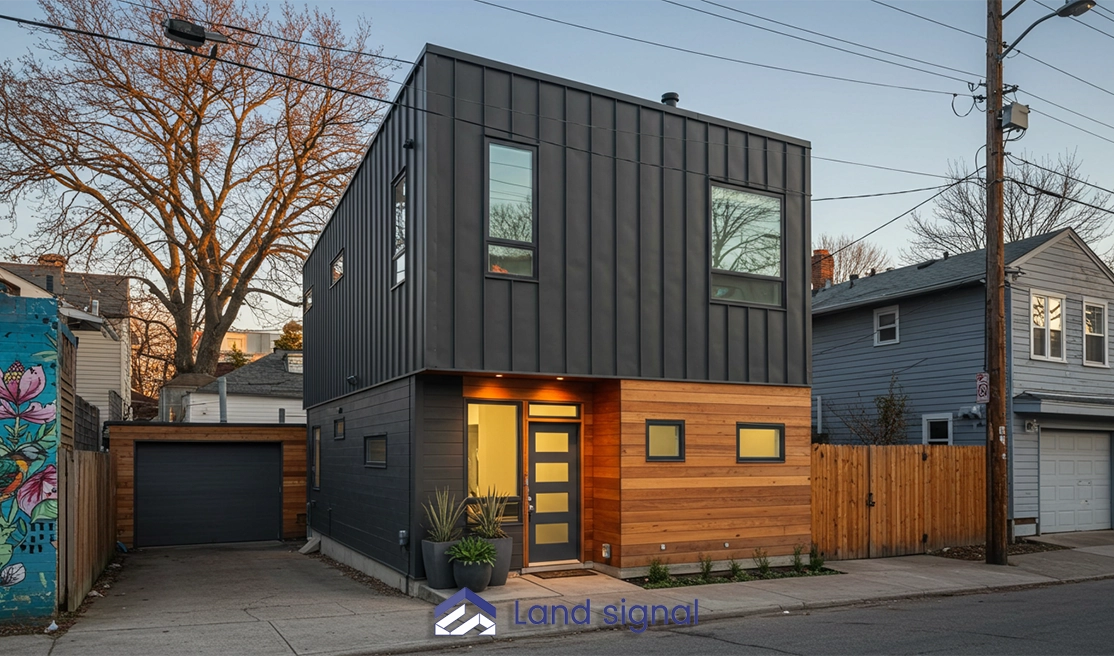
A laneway suite is a self-contained residential unit located behind a primary home and fronting onto a public laneway. It includes a kitchen, bathroom, sleeping space, and living area. These units operate independently from the main house and comply with specific zoning and building code rules.
Laneway suites have gained momentum because they offer more housing options within existing neighborhoods. Homeowners can rent the suite for income, use it for family members, or create a home office or guest space. The City encourages this form of gentle density since it adds housing capacity without the disruption of large-scale development.
Read Also: The Ultimate Guide to Laneway Suite Toronto
Construction Costs: What to Expect
Laneway suite cost varies based on size, design complexity, finishes, and contractor rates. Accessibility is a major factor, since laneways often limit equipment use and delivery access. Pricing can also shift due to market conditions and material availability. Each project requires its own cost assessment, so obtaining detailed, itemized quotes from qualified builders is an important first step.
Square footage estimates offer only a general starting point. Actual costs depend on foundation type, framing materials, insulation requirements, exterior cladding, and interior finishes. Updating cost estimates throughout planning helps maintain an accurate budget.
Read Also: laneway suite design Toronto
Detailed Cost Considerations for Laneway Suites
Permits and Fees
The City of Toronto charges permit fees for building review and inspections. Fees depend on project size and scope. Applications that require revisions or resubmissions may also add cost. Working with an experienced architect or designer helps reduce delays and unnecessary rework.
Architectural and Engineering Fees
Professional design services include zoning analysis, concept development, construction drawings, and structural engineering. These services ensure compliance with the Ontario Building Code and Toronto bylaws. Some projects require additional work such as geotechnical testing or tree preservation plans.
Construction Costs
This is the largest expense. Construction includes framing, insulation, roofing, plumbing, electrical work, HVAC installation, drywall, flooring, and finishing. Clear contracts and updated quotes help prevent unexpected increases.
Survey Costs
A land survey confirms property boundaries, identifies easements, and provides essential site information. This documentation is required for accurate design and permitting.
Utilities and Infrastructure
A laneway suite relies on the main house for power, water, and sewer, but connecting these systems requires professional installation. Plumbing connections, electrical upgrades, and HVAC configuration all affect cost. In some cases, utility capacity upgrades may be needed.
Interior Finishes
Interior finishes include cabinetry, flooring, appliances, fixtures, paint, and trim. Material quality, design preferences, and appliance selection influence overall cost.
Landscaping and Exterior Work
Grading, pathway construction, fencing, lighting, and outdoor access all contribute to project cost. Toronto requires adequate access to the laneway suite, and exterior work must support this requirement.
Read Also: Landscaping Requirements for Homes and Garden Suites in Toronto
Electrical Systems
Laneway suites rely on a properly designed electrical system. Depending on the load calculation, the main house electrical service may need upgrades. This can add to the laneway suite cost in Toronto.

Hidden Costs to Consider
- Demolition: Removing old garages or sheds adds cost and requires disposal fees.
- Site Preparation: Tree removal, root protection, grading, or soil remediation may be necessary.
- Drainage and Stormwater Requirements: Many laneway suite projects require new drainage solutions or upgrades to existing systems.
- Utility Upgrades: Extending or upgrading services such as electrical panels or sewer connections affects total cost.
- Flood Protection: Backwater valves, sump pumps, and waterproofing protect the structure but add expense.
- Fire Safety Measures: Fire-rated materials, protected openings, and site access requirements can increase cost.
- Access Limitations: Tight laneways sometimes require specialized equipment or alternative construction methods.
Key Benefits of Laneway Suites
Property Value Increase
A laneway suite can raise property value by adding legal, functional living space and creating rental potential.
Housing Solutions
Laneway suites help address urban housing shortages by adding units in established neighborhoods.
Rental Income
Many homeowners rent their laneway suite for steady monthly income that offsets mortgage and property costs.
Flexible Space
Laneway suites offer privacy for guests, extended family, or aging parents. This flexibility supports long-term use.
How to Build a Laneway Suite: Essential Steps
Step 1: Design and Planning
Work with architects and designers who understand Toronto zoning rules. Site analysis, layout planning, and early cost planning are essential.
Step 2: Permit Applications
Submit architectural drawings, site plans, engineering reports, and all required forms to the City. Professional involvement helps reduce delays.
Step 3: Construction
Hire a licensed contractor with laneway suite experience. Maintain communication, monitor progress, and manage the budget as the work advances.
How Land Signal Can Support Your Laneway Suite Project
Planning a laneway suite is easier when you have accurate numbers and expert guidance. Land Signal helps homeowners streamline every step by offering:
- Precise cost estimates using our construction cost calculator Toronto for realistic budgeting
- Lot and zoning assessments to confirm laneway suite eligibility
- Detailed project budgets powered by our home building cost calculator Ontario
- Code-compliant architectural drawings from qualified designers and engineers
- Complete permit application management to prevent delays
- Access to vetted builders and laneway suite specialists
If you want a laneway suite that meets code, stays on budget, and maximizes long-term value, Land Signal provides the tools and expertise to move your project forward with confidence.
Key Takeaways
Building a laneway suite in Toronto is not just a design decision. It is a regulatory and financial project that depends on accurate planning, a realistic budget, and a firm grasp of zoning rules and the Ontario Building Code. When homeowners break down each line item, from design fees and permits to servicing and finishes, they get a true picture of laneway suite cost and can make decisions that match both their property and their risk tolerance.
In my opinion watching the municipal landscape in Toronto, projects that succeed are the ones where owners treat laneway suite cost as a full life cycle investment, not just a construction quote. As density policies evolve and building standards keep tightening, the most resilient laneway suites will be those planned with compliance, maintenance, and future resale in mind, rather than only lowest upfront price.