



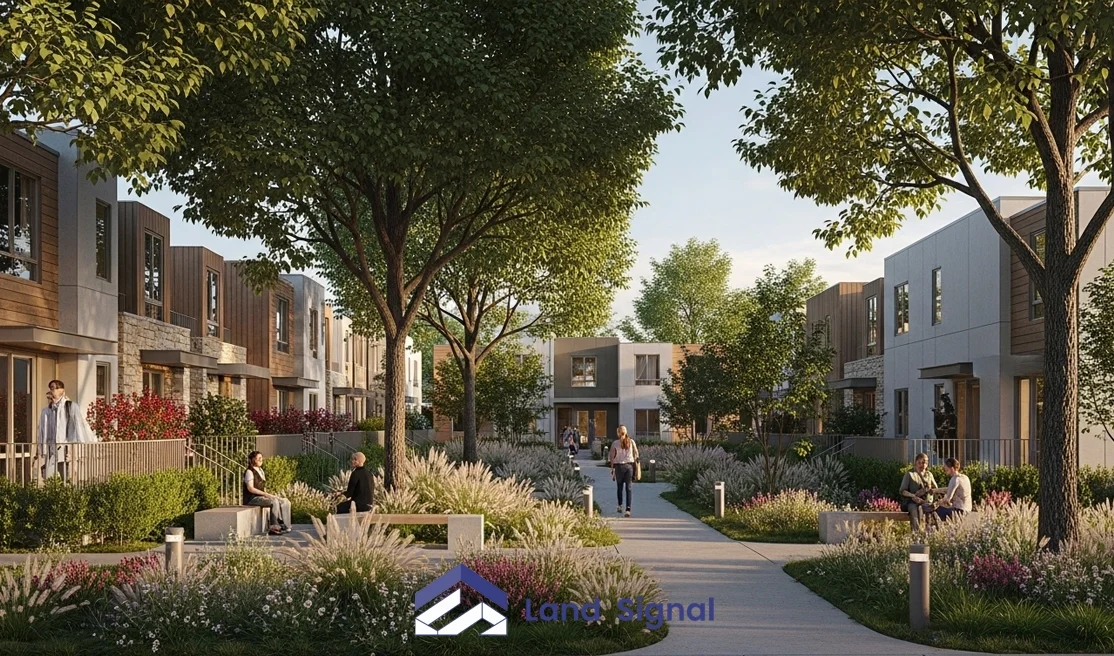
Multiplex housing is an important part of Toronto’s plan to increase density in existing neighborhoods. Because of recent changes to planning rules, it is now easier for homeowners and small developers to build four or six houses on one site.But...

Multiplex Design Trends in Toronto

Content Management Team

Lorem ipsum dolor sit amet, consectetur adipiscing elit. Ut elit tellus, consectetur adipiscing elit.

Multiplex Design Trends in Toronto and Ontario

Multiplex housing is an important part of Toronto's plan to increase density in existing neighborhoods. Because of recent changes to planning rules, it is now easier for homeowners and small developers to build four or six houses on one site.But getting a multiplex permit in Toronto is more than just meeting basic design requirements. Projects...
Multiplex Design Trends in Toronto

Author

Farnaz Bigdeli
Author Photo LinkedIn

Farnaz Bigdeli, MBA, PMP

Farnaz Bigdeli, MBA, PMP, co-founder of Land Signal, specializes in applying data science and strategic foresight to decode complex building regulations and optimize project profitability.

View editorial process

Reviewed By

Amir M.Khazaneh
Author Photo LinkedIn

Amir M.Khazaneh, P.Eng.

Amir M. Khazaneh, P.Eng., COO/CEO of Land Signal, is a Professional Engineer specializing in construction management and rigorous site supervision to minimize project delays.

View editorial process

Updated On

April 21, 2026

Read Time

8 Mins to Read

Date Of Post

Updated on

April 21, 2026

Post Category

Read Time

8 Mins to Read

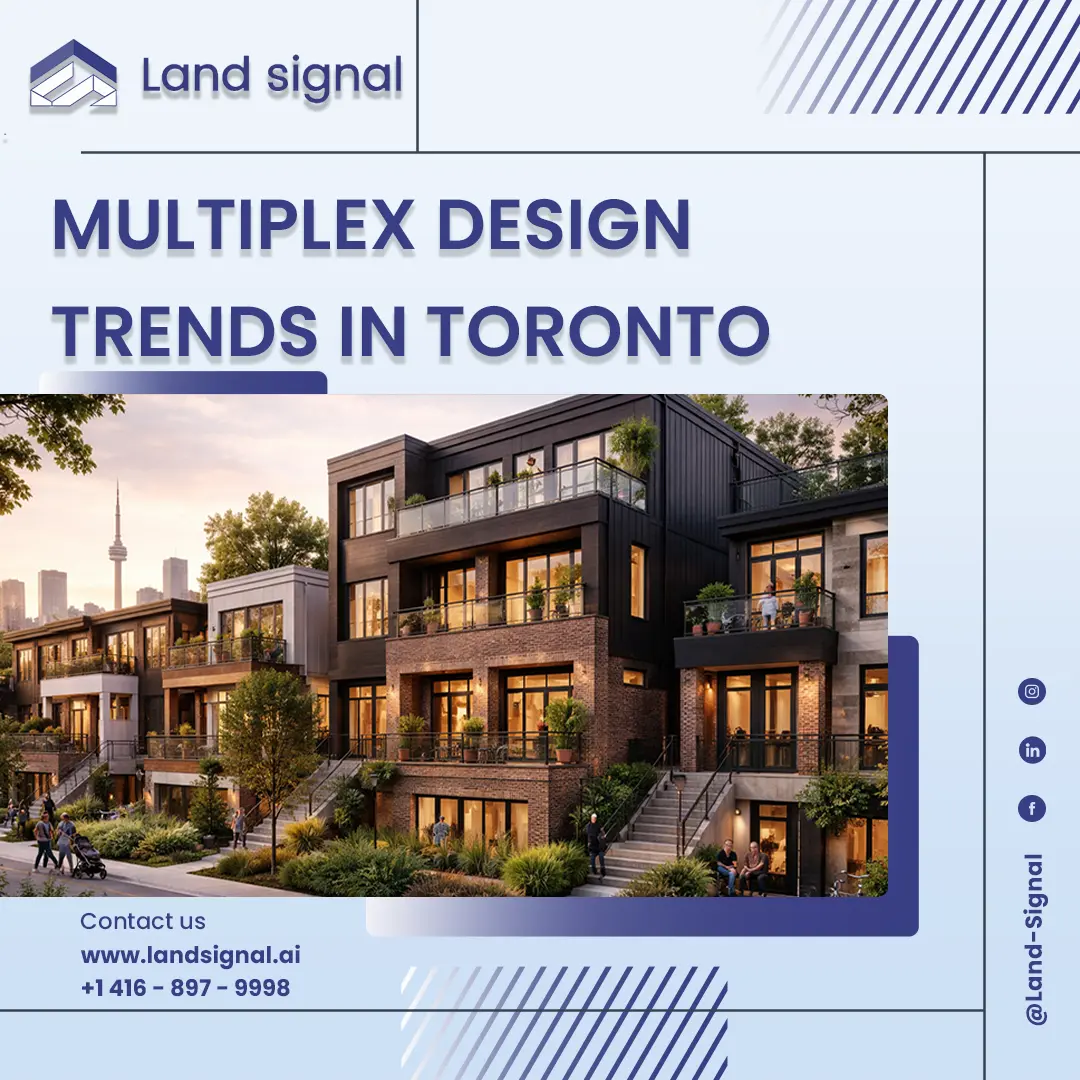
Multiplex housing is an important part of Toronto’s plan to increase density in existing neighborhoods. Because of recent changes to planning rules, it is now easier for homeowners and small developers to build four or six houses on one site.

But getting a multiplex permit in Toronto is more than just meeting basic design requirements. Projects must follow the rules about how land can be used, the Ontario building code, and any other specific rules about the site. These rules affect how long it takes to get approval and whether it is possible to build there.

If you want to do a multiplex project, you need to understand the rules. This guide explains the most important permissions, incentives and permit requirements. It will help you to plan with confidence and avoid expensive delays.

Start Your Project with Confidence

At Land Signal, we assist with construction and renovation permits, as well as Garden House and Laneway Suite designs. Let our experts guide you through every step.


Key Multiplex Design Trends in Toronto and Ontario (2026)

1. Gentle Density and Neighborhood Integration

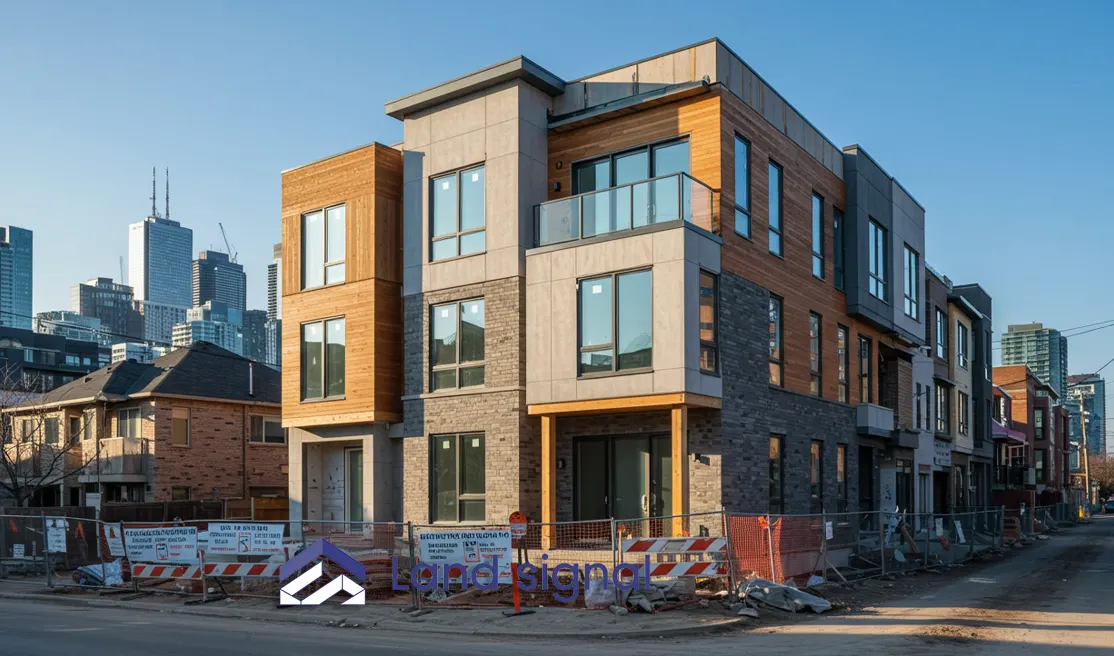
In Toronto, multiplex development is increasingly guided by the concept of “gentle density,” which introduces additional housing without disrupting the character of established neighborhoods.

In practice, this means that new buildings must align with the height, setbacks, and façade composition of surrounding homes. Projects that ignore this context often encounter delays in the approval process or face resistance during the review process.

From a design perspective, architects now prioritize:

  • Matching rooflines and proportions with adjacent properties
  • Using familiar materials such as brick, wood, or neutral cladding
  • Maintaining clear transitions between private and public space

This trend is also tied to policy direction. As the city considers expanding permits for sixplex housing, projects that have already demonstrated strong neighborhood integration are more likely to be approved.

Gentle Density and Neighborhood Integration

2. High-Performance and Sustainable Construction

In multiplex design, sustainability is no longer optional. It is now expected at the regulatory and market levels.

Modern projects focus on reducing environmental impact while enhancing long-term performance. This includes using low-carbon materials, such as hybrid structural systems that combine steel and engineered wood.

At the same time, designers are investing heavily in high-performance building envelopes. These systems reduce heat loss in the winter and prevent overheating in the summer, which is essential in Toronto’s climate.

The result is a building that:

  • Costs less to operate
  • Performs better over time
  • Meets evolving energy standards

For developers, this also improves asset value and long-term return on investment.

3. Energy-Generating Building Envelopes

A newer, rapidly growing trend is transforming building exteriors into energy-producing systems.

Rather than relying solely on rooftop solar panels, designers are integrating photovoltaic materials directly into facades and glazing systems. This approach enables vertical surfaces to generate electricity while preserving a residential appearance.

This trend is particularly valuable in urban infill conditions where:

  • Roof space is limited
  • Shadowing from adjacent buildings reduces efficiency
  • Design constraints require more creative solutions

Energy-generating envelopes represent a shift from passive sustainability to active energy performance. This shift is expected to play a larger role in future Toronto developments.

4. Smart and “Invisible” Technology Integration

The technology in multiplex housing is evolving toward seamless integration rather than visible features.

Rather than adding smart devices after construction, systems are now embedded directly into the design. Lighting, heating, and ventilation systems now operate automatically based on occupancy patterns and environmental conditions.

This approach, often referred to as invisible intelligence, improves comfort and efficiency without adding unnecessary complexity for residents.

From a design and engineering perspective, this requires:

  • Early coordination between architecture and mechanical systems
  • Careful planning of electrical and data infrastructure
  • Systems that allow independent control for each unit

These features are becoming a standard expectation in new multiplex developments, especially in competitive urban markets.

5 . Flexible and Multi-Functional Interior Layouts

As land costs increase and unit sizes become more compact, flexibility has become a critical design priority.

Modern multiplex units are no longer designed for a single use. Instead, spaces are designed to adapt over time based on changing needs.

Examples include:

  • Home offices that can convert into bedrooms
  • Living areas that support both work and social use
  • Layouts that accommodate multi-generational living

This trend reflects a broader shift in how people use their homes, especially with the rise of remote work and hybrid lifestyles.

From a value perspective, flexible layouts also make units more attractive to a wider range of buyers and tenants.
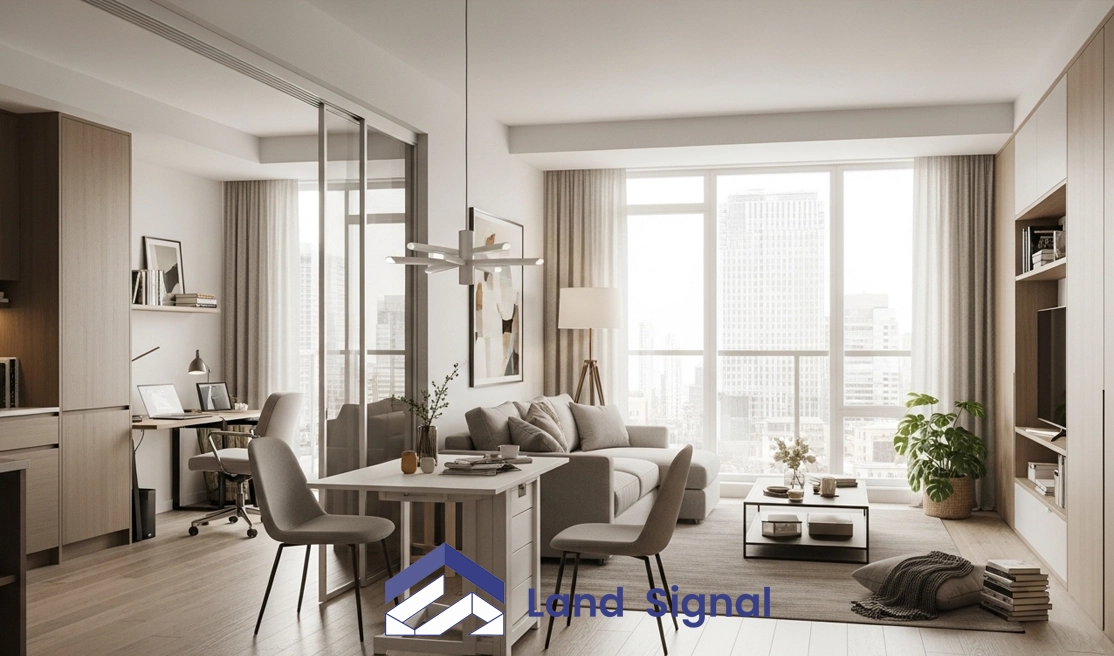
Flexible and Multi-Functional Interior Layouts

6. Built-In Storage and Space Optimization

One of the biggest challenges in multiplex design is creating functional and uncluttered spaces in smaller areas.

To address this challenge, designers are prioritizing integrated storage solutions built directly into the architecture.

These include:

  • Full-height cabinetry
  • Hidden storage within walls or under stairs
  • Multi-purpose furniture elements

Well-designed storage improves daily usability and significantly impacts how spacious a unit feels, even when the actual square footage is limited.

In dense urban housing, this is not just a design feature. It is a necessity.

7. Warm Minimalism and Modern Interior Aesthetics

Interior design trends in multiplex housing are shifting toward a more balanced and livable aesthetic.

The cold, industrial minimalism of previous years is being replaced with warm minimalism, which combines simplicity with comfort.

This includes:

  • Warmer wood tones such as oak and walnut
  • Neutral color palettes with subtle variation
  • Durable materials that age well over time

This approach creates interiors that feel both modern and welcoming, which is important for long-term occupancy and resale value.
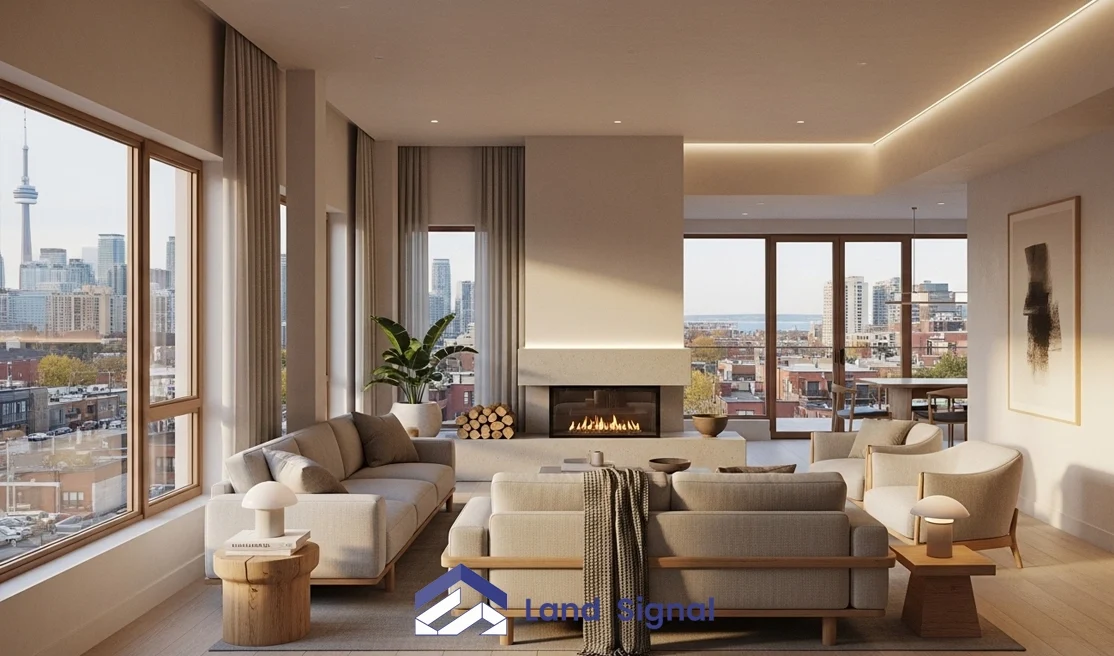

Warm Minimalism and Modern Interior Aesthetics

Regulatory and Design Constraints in Toronto Multiplex Projects

Although design trends influence a project’s vision, zoning and building regulations dictate what is feasible.

It is critical to understand these constraints early in the process to avoid delays and redesign.

Zoning Considerations

Key zoning factors include:

  • Setbacks and angular plane requirements
  • Height limits and lot coverage
  • Floor Space Index and site conditions

In many projects, a single constraint can define the entire building form. Identifying this at the feasibility stage is essential.

Ontario Building Code Requirements

Multiplex buildings must follow Part 3 of the Ontario Building Code when they include more than two units.

This introduces stricter requirements for:

  • Fire separation
  • Structural systems
  • Egress and life safety
  • Mechanical design

Incorrect assumptions at this stage are one of the most common causes of permit rejection.

Coordination for Approvals

A successful project requires coordination between all disciplines before submission. This includes architecture, structure, and mechanical systems.

A complete and coordinated submission reduces review time and improves approval outcomes.

How Land Signal Supports Modern Multiplex Design and Approvals in Toronto

Designing a modern multiplex today goes beyond architecture. It requires careful coordination between zoning regulations, building codes, sustainability requirements, and evolving design trends such as hybrid spaces and smart technologies. Land Signal helps developers and property owners bring these complex projects to life by supporting:

  • Zoning and land use analysis to confirm multiplex developments align with Toronto bylaws, density limits, and permitted uses
  • Building permit applications for large-scale developments, including theatres, mixed-use entertainment spaces, and hybrid venues
  • Coordination with architects and engineers to ensure structural, mechanical, and HVAC systems meet code requirements and support modern design features
  • Guidance on sustainability compliance, including energy-efficient systems, ventilation standards, and environmentally responsible construction practices
  • Support for complex approvals such as site plan control, occupancy classifications, and fire and safety regulations

Whether you’re developing a next-generation multiplex, upgrading an existing cinema, or planning a hybrid entertainment space, Land Signal helps simplify the approval process and ensures your project moves forward efficiently and in full compliance.

Contact our team today for expert guidance and a smooth path from concept to construction.

Final Thoughts

In Toronto, multiplex design is no longer defined by unit count alone. Rather, it is shaped by how well a project balances regulatory compliance, construction feasibility, long-term performance, and everyday livability.

According to experts, the most successful multiplex developments are those that address constraints early on. Zoning limitations, building code requirements, and site conditions are not insurmountable design obstacles. Rather, they define what a successful project looks like.

Trends such as sustainable construction, flexible layouts, and integrated technology only deliver value when applied within this framework. Without this alignment, well-intentioned designs may fail during the approval process or underperform after construction.

As Toronto continues to grant more permissions for low-rise intensification, multiplex housing will play a central role in shaping the city’s future. Property owners and developers who approach these projects with a clear understanding of design trends and regulatory realities will be best positioned to achieve successful outcomes.

FAQ

A multiplex is a low-rise residential building that contains multiple self-contained units, typically ranging from two to four units, with increasing consideration for six-unit buildings in certain areas.

Yes, many multiplex developments are permitted as-of-right under current zoning regulations. However, each project must still comply with requirements related to setbacks, height, access, and building code standards.

Part 9 applies to smaller residential buildings, usually up to 3 stories and less than 6000sqf. Multiplex buildings with more than 3 stories must follow Part 3, which includes stricter requirements for fire safety, structure, and building systems.

Costs vary depending on design complexity, site conditions, and building size. A proper feasibility analysis is required to determine accurate project costs before design begins.

In many cases, yes. Conversions are possible if the property meets zoning requirements and can be upgraded to comply with Ontario Building Code standards. Each property must be evaluated individually.

References & Further Reading

Farnaz Bigdeli

Farnaz Bigdeli, MBA, PMP is a Co-Founder at Land Signal and a Strategy and Innovation expert. She leverages her extensive background in Data Science, Architecture, and Business to simplify complex building codes and transform regulatory challenges into predictable, profitable strategies for the construction industry.

Get In Touch

"*" indicates required fields

Plan Smarter. Build Easier.

Whether you’re exploring an addition, a suite, or a full redevelopment, Land Signal provides zoning clarity and expert planning support tailored to your property.

Get In Touch

"*" indicates required fields

Want a Free 30-Minute Consultation

"*" indicates required fields

Psst! Did you know we’ve got our