










Renovating your home in Toronto is a chance to improve comfort, update outdated spaces, and add long-term value. But before walls are opened or foundations are touched, every project runs into the same gatekeeper: the renovation permit Toronto process. Ignoring that step can turn a great design into a financial and legal headache.
Toronto’s building and zoning rules are detailed and constantly evolving. Some projects that look “simple” on the surface still trigger structural, fire, plumbing, or zoning reviews. Others may be exempt from permits entirely. Knowing the difference is critical.
This guide explains when you need a renovation permit, what the City expects in an application, how the review and inspection process works, and the pitfalls that commonly delay projects. With the right preparation and professional help, you can keep your renovation compliant, safe, and on schedule.
What Is Required for a Renovation Permit in Toronto?
A renovation permit application is built around clear, accurate documentation. The goal is to show the City that the proposed work meets the Ontario Building Code and all applicable bylaws.
Blueprints Prepared by Certified Professionals
Drawings must be prepared by qualified professionals, such as:
- BCIN-certified designers
- Professional Engineers
- Licensed Architects (OAA)
A typical drawing set includes:
- Site plan – lot lines, existing buildings, new work, driveways, decks
- Floor plans – dimensions, walls, doors, windows, stairs, fixtures
- Elevations – exterior views showing materials, heights, and openings
- Sections – cut-through views to show structure, floor levels, insulation
- Construction details – lintels, wall assemblies, window/door details, guards, etc.
These drawings must match the actual conditions on site and clearly reflect the changes you plan to make.

Structural Assessment (When Applicable)
Any work that affects load-bearing components must be reviewed by a structural engineer. This includes:
- Removing or shortening load-bearing walls
- Adding beams, posts, or new floors
- Underpinning or altering foundations
- Changing a flat roof to a cathedral or vaulted ceiling
The engineer designs the new structure and confirms it can safely carry existing and new loads.
Read Also: Do I Need a Permit to Replace Roof in Toronto?
HVAC and Plumbing Designs
If your renovation affects:
- Heating and cooling systems
- Ventilation and exhaust
- Plumbing fixtures, drains, or supply lines
you may need mechanical and plumbing drawings showing how these systems will be upgraded. This ensures compliance with performance, safety, and energy standards.
Energy Efficiency Considerations
Toronto has increasingly strict energy efficiency requirements, especially for new exterior walls, windows, and additions. Your drawings may need to show:
- Insulation R-values
- Thermal breaks
- Window performance ratings
- Air barrier details
Energy upgrades are easier and more cost-effective when integrated into the design from day one.
Accessibility Requirements
If your renovation affects entrances, washrooms, hallways, or other critical spaces, some projects may need to comply with the Accessibility for Ontarians with Disabilities Act (AODA) and related provisions in the Building Code. This can include clearances, turning space, grab bars, ramp slopes, and door widths.

When Is a Renovation Permit Toronto Required?
A renovation permit Toronto is required any time you alter the structure, systems, or use of a building. Some common situations include:
Structural Changes
You will need a permit if you:
- Remove or alter load-bearing walls or posts
- Cut new openings in exterior walls for doors or windows
- Convert a flat ceiling to a cathedral ceiling
- Underpin or modify the foundation
- Add a second floor or rear/side addition
Even “small” structural changes can affect the building’s stability and must be engineered and inspected.
Plumbing System Alterations
A permit is usually required when:
- Relocating or adding plumbing fixtures
- Changing pipe size or rerouting drains
- Installing new rough-in plumbing
- Connecting new plumbing to municipal services
Proper permits reduce the risk of leaks, backups, and concealed plumbing defects.
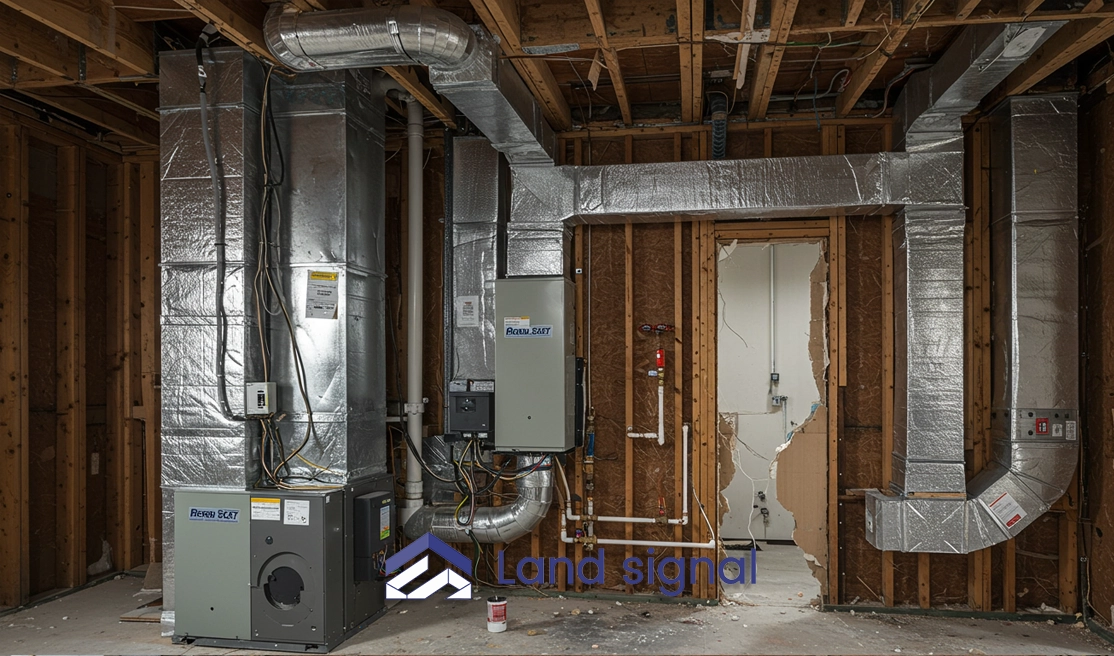
HVAC System Modifications
You typically need a permit to:
- Install or replace furnaces, boilers, or heat pumps with ductwork changes
- Add or modify ventilation systems or exhaust fans
- Run new ductwork or alter existing supplies/returns in a major way
Incorrect HVAC work can impact both safety and indoor air quality.
Change of Use
Changing how a space is used often triggers additional building code requirements. Examples include:
- Converting a basement or garage into a dwelling unit
- Converting a commercial space into residential use
- Changing portions of a house into a rental suite
These projects raise fire, egress, and ventilation considerations that the City must review.
Additions and Extensions
You will need a permit to:
- Build any addition on the side, front, or rear
- Add a new floor above the existing structure
- Construct detached structures such as garages or large sheds
- Build decks more than 2 feet above grade
Zoning bylaws control lot coverage, height, and setbacks for all new construction.
Fireplaces
Installing a new fireplace, changing the fuel source, or modifying chimney/venting usually requires a permit to ensure compliance with fire and venting codes.
Window and Door Changes
Simple like-for-like replacements usually do not require permits, but you will need a permit if you:
- Enlarge openings
- Add new windows or doors
- Change headers or supporting structure around the openings
These changes affect both structure and energy performance.
The Renovation Permit Application Process in Toronto
Initial Planning
Start with a clear discussion of scope, budget, and goals with a designer, engineer, or contractor. This step helps confirm whether your project is:
- Structurally feasible
- Zoning compliant
- Appropriately budgeted
Read Also: Renovation Cost Calculator Toronto
Preparing Drawings and Documents
Your designer or architect prepares drawings, and your engineer provides structural details as needed. Ensure that all information is accurate and consistent across documents.
Submitting the Application
Submit your application through the City of Toronto’s online portal or in person. You’ll provide:
- Completed application forms
- Drawings and supporting documents
- Application fees
City Review
Plan review staff will check your application against the Building Code and local bylaws. They may issue comments or request revisions. Responding promptly helps keep the file moving.
Permit Issuance
Once all comments are satisfied, the permit is issued. Post it on site and ensure trades understand the approved scope.
Inspections
Throughout construction, inspections must be booked at key stages:
- Footings/foundations (if applicable)
- Framing
- Plumbing rough-ins
- HVAC/mechanical rough-ins
- Insulation/vapor barrier
- Final inspection
All work must match the approved drawings and comply with code.
Final Approval
After passing all inspections, your renovation is officially recognized as complete and compliant.
Challenges and Solutions in the Renovation Permit Process Toronto
Key Challenges
- Zoning Restrictions: Homeowners often discover late in the process that their design exceeds height, setback, or lot-coverage limits, forcing redesigns and delaying approval.
- Premature Construction: Starting work before receiving a permit can result in stop-work orders, fines, and mandatory demolition of unapproved work.
- Unapproved Site Changes: Contractors sometimes make on-site adjustments that deviate from approved plans, requiring additional reviews and delaying inspections.
- Documentation Gaps: Missing surveys, engineer reports, or ESA/ HVAC documentation frequently slow down the City’s review timeline.
Effective Solutions
- Confirm zoning early to ensure your renovation is permissible before investing in design work.
- Submit clear, detailed plans that include structural notes, elevations, sections, and accurate dimensions.
- Maintain active communication with City examiners to address concerns quickly and avoid rejections.
- Process revisions properly when changes occur on-site to keep your permit valid and inspections seamless.
This approach significantly reduces delays, unexpected costs, and compliance issues during the renovation permit Toronto process.
How Land Signal Can Help With Your Second Floor Addition
Planning a second floor addition in Toronto is not just about design and construction. It is also about making sure your project is financially sound, zoning-compliant, and properly permitted from day one. That is where Land Signal can make a real difference.
Our team helps homeowners:
- Review zoning and lot constraints before design goes too far
- Understand what is realistically possible under Toronto’s bylaws
- Estimate construction costs and timelines with data-driven tools
- Plan for multi-unit or future income-generating configurations where allowed
- Coordinate with architects, engineers, and contractors who understand complex additions
We focus on aligning your second floor addition Toronto with both regulatory requirements and return-on-investment goals. Whether you are still at the “is this even possible?” stage or already have a concept in mind, we can help you validate the plan, anticipate risks, and move through the permit process with more confidence.
Conclusion
Renovating a home in Toronto is a powerful way to improve comfort, function, and long-term value. But no matter how strong your design is, success depends on understanding the renovation permit Toronto process and respecting zoning and building rules. Clear drawings, qualified professionals, and early planning go a long way toward preventing setbacks and unexpected costs.
From my perspective working with homeowners navigating municipal approvals, the projects that run smoothly are rarely the ones with the simplest designs—they are the ones with the best preparation. As Toronto’s housing and safety standards grow more detailed, compliance is increasingly non-negotiable. Homeowners who treat permits as a core part of project planning, rather than an afterthought, are the ones who finish on time, protect their investment, and avoid costly surprises.