










Adding a second floor to your Toronto home is one of the most powerful ways to gain space without giving up your lot or leaving your neighborhood. For many homeowners, it is the turning point between “making do” with an outdated layout and creating a home that actually fits how their family lives now and in the future.
The challenge is that a second floor addition in the city of Toronto is not a simple renovation. It affects structure, foundations, zoning compliance, fire safety, and building systems across the entire house. The permit review is more detailed, the design work is more complex, and the construction phase can be disruptive if it is not carefully planned and managed.
This guide walks through the key steps and requirements for a successful second floor addition in Toronto. You will see what needs to be checked before you start, how design and permitting really work here and how to reduce risk at each stage so the project moves from concept to completion with fewer surprises.
What Is a Second Floor Addition?
A second floor addition Toronto is any project that adds a new full or partial storey above an existing structure, or significantly expands an existing second storey. Approaches include:
- Building a full new level over the entire footprint
- Adding a partial second floor over part of the house
- Cantilevering portions of the new floor to increase area
- Combining vertical expansion with selective rear or side extensions
Because you are changing the structural loading of the house and altering the building envelope, this work must be engineered carefully and designed to comply with the Ontario Building Code and Toronto’s zoning bylaw.
Why Homeowners Choose a Second Floor Addition
Adding More Space
The most obvious benefit of a second floor addition Toronto is the gain in usable area. Instead of stretching the house into the yard, you build vertically. This can create:
- New bedrooms and bathrooms
- A primary suite with walk-in closets
Adding Property Value
In Toronto’s market, a well-designed and properly permitted second floor addition Toronto can significantly increase resale value. Buyers respond to:
- Additional bedrooms and bathrooms
- Modernized layout and finishes
Essential Requirements Before You Start
Zoning and Exterior Measurements
Before design goes too far, you must confirm that your property can support the second floor in terms of zoning. Key checks include:
- Maximum permitted building height
- Floorspace index (FSI)
- Lot coverage
- Required front, side, and rear setbacks
- Any special area restrictions or character guidelines
If your proposed second floor addition Toronto exceeds one of these limits, you may need to apply for minor variances through the Committee of Adjustment.
Foundation and Structural Capacity
A structural engineer must assess the existing foundation and load-bearing elements. They will determine whether the house can safely carry another level or whether it needs:
- Underpinning or foundation enlargement
- New or reinforced footings
- Added beams, posts, or shear walls
This is not a place to guess. The engineer’s report is one of the core documents supporting your permit application and construction plan.
Layout and Circulation
The current floor plan must be able to accommodate:
- A practical stair location
- Logical traffic flow between levels
- Service runs for plumbing, electrical, and HVAC
If the existing main floor is very compartmentalized or structurally complex, your designer may propose a partial main floor reconfiguration along with the second floor addition Toronto to create a more efficient layout.
Second-Floor Addition Cost in Toronto: Key Considerations
Adding a second floor is one of the most effective ways to expand living space in Toronto without increasing a home’s footprint, but it is also among the most complex and costly residential renovations. A second-floor addition involves major structural work, strict zoning and permit requirements, and careful financial planning. Understanding the key cost ranges, primary cost drivers, and regulatory steps is essential before committing to this type of project.
Key Factors on Second-Floor Addition Cost in Toronto:
- Typical costs range from $300 to $400+ per square foot, with total project budgets often landing between $300,000 and $1,000,000+, depending on size and scope
- Major cost drivers include structural reinforcement, framing and roofing, mechanical system upgrades, design and engineering fees, and interior finishes
- Smaller additions may have a higher per-square-foot cost due to fixed expenses like permits, engineering, and setup
- Zoning bylaws, building height limits, and Gross Floor Area (GFA) rules directly influence feasibility and final design
- A full building permit process, including engineered drawings and multiple inspections, is mandatory before and during construction
Step-by-Step Process for a Second Floor Addition in Toronto
1. Concept Design and Feasibility
You start with a consultation with a licensed designer or architect and a structural engineer. In this phase, you explore:
- How much additional space you need
- Where a second floor makes the most sense structurally
- Zoning constraints and potential variances
- A rough cost range and schedule
This is where many unrealistic ideas can be filtered out before serious money is spent.
2. Detailed Architectural and Structural Design
Once feasibility is confirmed, the design team creates:
- Dimensioned floor plans for both levels
- Elevations showing the new exterior appearance
- Building sections that connect structure, height, and insulation
- Structural drawings for beams, joists, foundations, and lateral bracing
These drawings must be coordinated and ready for submission as part of the building permit package.
3. Permit Submission and Approvals
The second floor addition Toronto permit submission usually includes:
- Application forms
- Architectural drawings
- Structural drawings sealed by an engineer
- Energy efficiency documentation
- Any required zoning or heritage information
The City reviews the package for compliance with building code and zoning. If variances are required, the Committee of Adjustment process must be completed before or alongside building permit review.
4. Construction Phase
Once permits are issued, construction starts. Typical stages include:
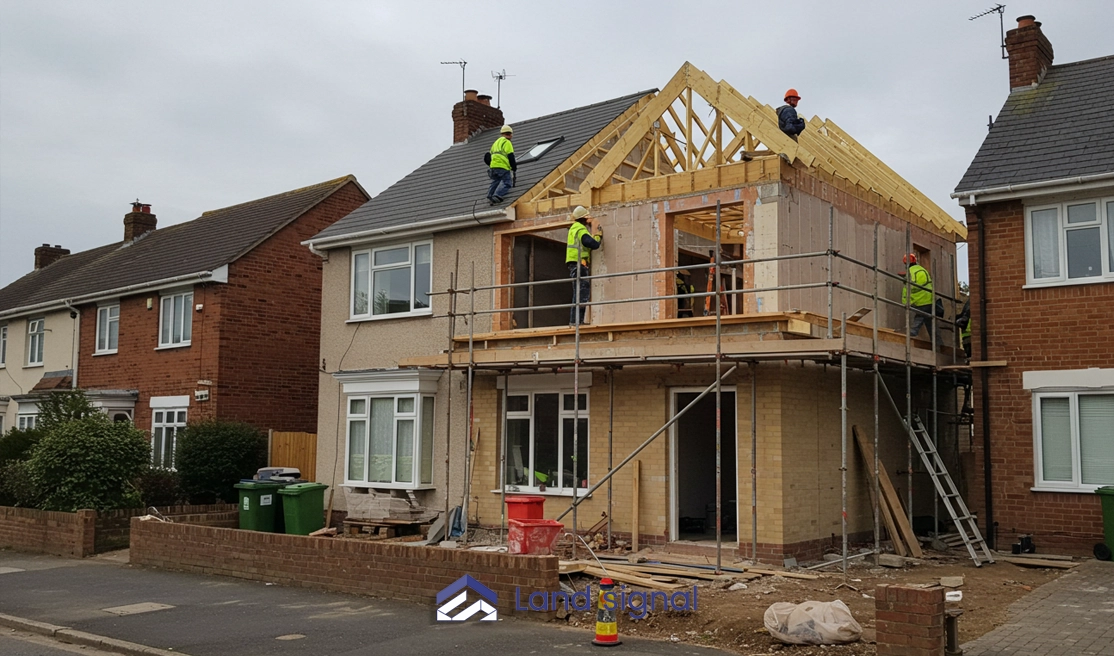
- Removing the existing roof and any upper-level elements
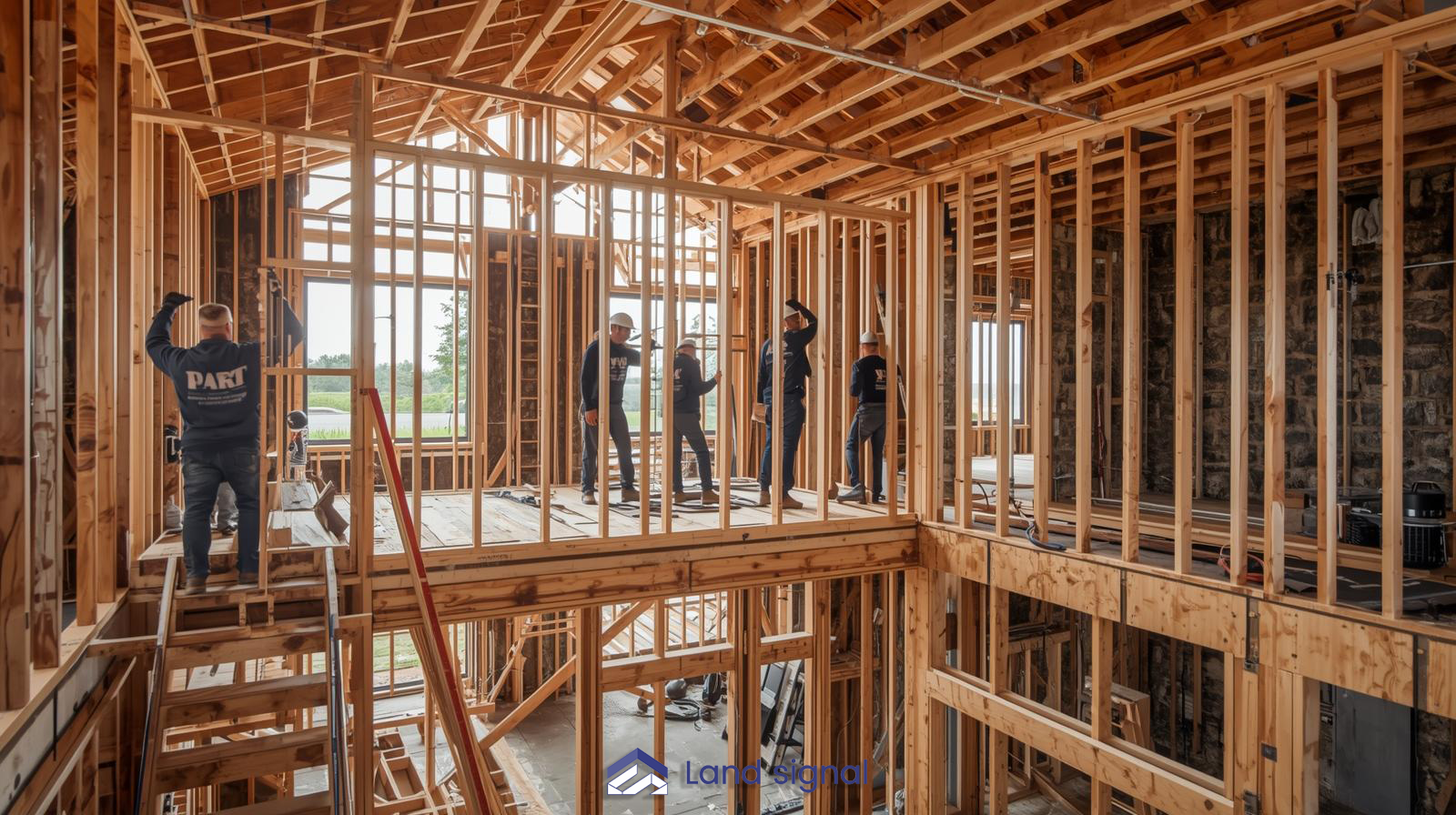
- Structural reinforcement and framing of the second floor
- Installation of roof structure, sheathing, and weather protection
- Window and exterior door installation
- Rough-in for electrical, plumbing, and HVAC
- Insulation, air/vapor barriers, and sound separation
- Drywall, finishes, cabinetry, and fixtures
A licensed general contractor coordinates trades and ensures work matches the approved plans.
5. Inspections and Final Approval
City inspectors attend at key stages to review:
- Structural framing and connections
- Fire separations and stair compliance
- Insulation and air barriers
- Plumbing and HVAC rough-ins
- Final life safety features and finishes
Only after all inspections are passed will the second floor addition Toronto be considered complete and compliant.
Advantages of a Second Floor Addition Toronto
- Major space gain without losing yard area
- Opportunity to modernize the entire look and layout
- Improved functionality, storage, and organization
- Potential for higher resale value in a land-constrained market
- Ability to stay in a neighborhood you already like
Some homeowners also configure the new level to accommodate a future secondary unit, subject to zoning and building code rules, which can provide flexibility or potential rental income.
Drawbacks and Risks to Consider
- High upfront cost compared to smaller renovations
- Construction disruption including noise, dust, and limited use of parts of the house
- Permit and zoning complexity, especially if variances are needed
- Uncertain market conditions, which can affect how quickly you recoup your investment
Careful planning, a strong contract, and realistic expectations are essential.
How Land Signal Can Support Your Second Floor Addition
Adding a second floor is a major structural upgrade, and securing the right approvals is essential. Land Signal helps homeowners streamline every step of the process, ensuring your permit for house extension and renovation permit are submitted accurately and approved without avoidable delays.
We provide:
- Detailed zoning and feasibility assessments for second-floor additions
- Expert guidance on building code compliance and structural requirements
- Complete drawing packages prepared by licensed professionals
- Full management of your permit submission, revisions, and City communication
- Construction cost planning tools to help you budget confidently
Conclusion
A second floor addition Toronto is one of the most ambitious projects a homeowner can take on, but when it is properly designed, permitted, and constructed, it can transform both how your house functions and how it is valued. Understanding zoning limits, structural requirements, permit steps, and cost drivers before you start is the best way to avoid surprises and protect your budget.
From my perspective working with second floor additions and other major residential projects in Toronto, the most successful outcomes rarely come from the “biggest” or flashiest designs. They come from projects where homeowners invest in proper planning, listen carefully to structural and zoning constraints, and treat compliance as the backbone of the design rather than a hurdle. As Toronto continues to grow and intensify, second floor additions will remain a key strategy for adding space, but only projects that respect code, zoning, and long-term durability will deliver the kind of value and comfort homeowners are counting on.