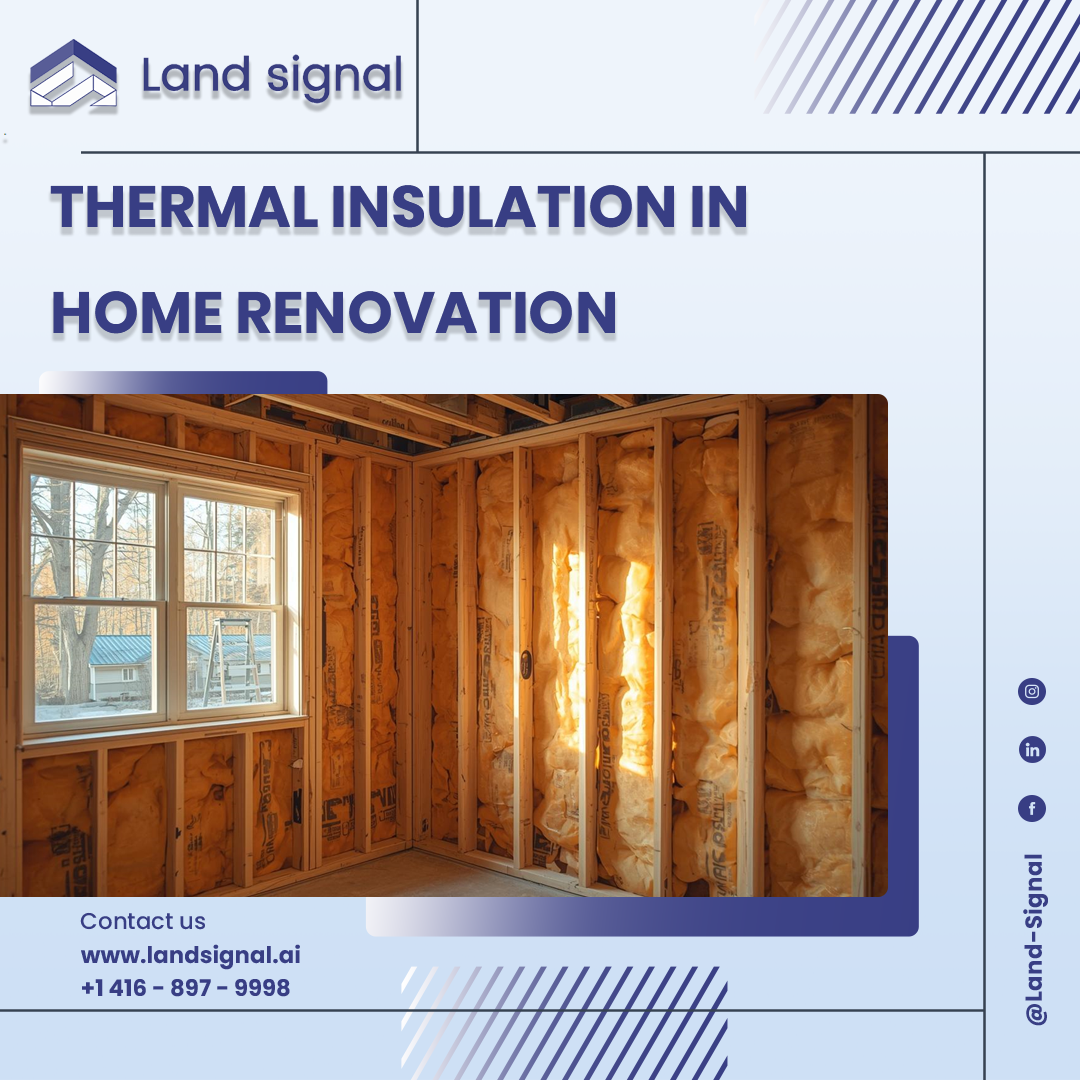











Thermal insulation is often on the bottom of the list when it comes to home renovation. However, it plays one of the most important roles in providing comfort. Nobody wants their home to be freezing cold or scorching hot. Thermal insulation not only helps with keeping your home comfortable, but also reduces your energy bills significantly. In this blog, we’ll go over what ideal thermal insulation looks like and the types of thermal insulation you can choose based on your renovation goals.
Start Your Project with Confidence
At Land Signal, we assist with construction and renovation permits, as well as Garden House and Laneway Suite designs. Let our experts guide you through every step.
Why Insulation Improves Thermal Comfort
Maintaining a consistent indoor temperature without constant heating or cooling is key to thermal comfort. Poor insulation allows heat to escape in winter and to enter in summer, which forces your HVAC system to work harder.
Proper insulation creates a barrier that slows heat transfer. During the cold months, it keeps warm air inside. In the warmer seasons, it reduces heat entering the building from outside. The result is a more stable indoor environment with fewer temperature fluctuations.
Beyond temperature control, insulation also:
- Reduces drafts near walls and windows
- Minimizes cold floors and walls
- Lowers indoor humidity fluctuations
- Improves overall living comfort
Ideal Thermal Insulation Characteristics
The effectiveness of insulation is typically measured by its R-value, a measure of thermal resistance. Higher R-values mean better insulating performance.
Air sealing is equally important. Even high-quality insulation will not perform properly if there are gaps and leaks that allow air to move around. A well-insulated home requires the right materials and tight seals around windows, doors and structural openings.
An ideal insulation material should have:
- High thermal resistance
- Durability and long lifespan
- Moisture resistance
- Fire resistance
- Resistance to mold and pests
- Sound dampening properties
- Compatibility with your climate zone
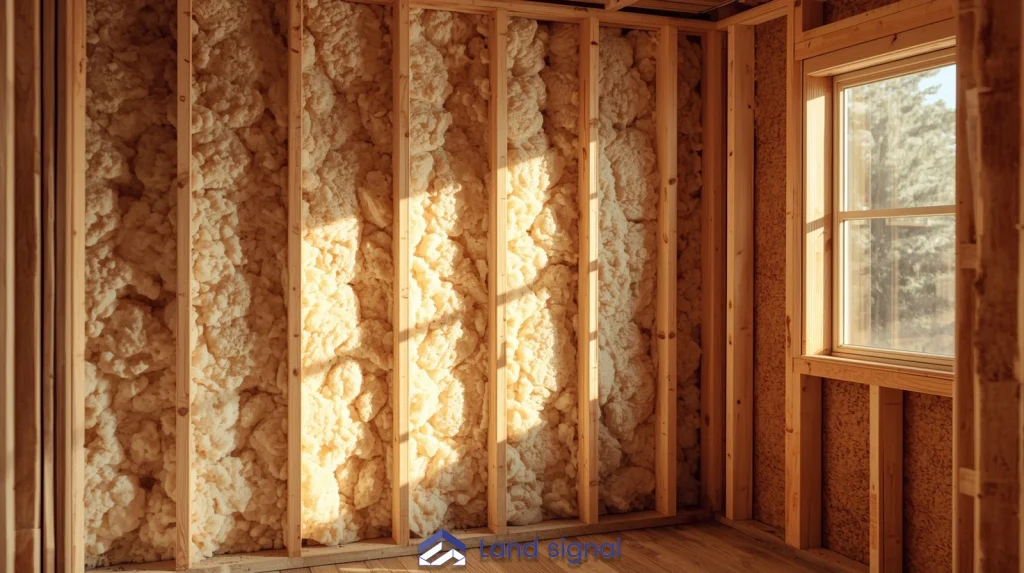
Types of Thermal Insulation Materials: Which Suits Your Renovation Goals?
Choosing the right insulation depends on your renovation scope, budget, and the area of the home being upgraded.
Fiberglass Insulation
Fiberglass is one of the most common and affordable options. It’s available in batts or loose fill form and works well for attics and wall cavities. It’s easy to install and offers solid thermal performance.
Spray Foam Insulation
Spray foam expands to fill gaps and cracks, creating both insulation and air sealing. It provides high R-values and works well in basements, attics, and irregular spaces. Closed cell spray foam also adds structural strength.
Rigid Foam Boards
Rigid foam panels are ideal for exterior walls, basement walls, and foundation insulation. They provide strong thermal resistance and moisture control.
Mineral Wool
Mineral wool offers excellent fire resistance and soundproofing. It performs well in walls and floors and is resistant to moisture and mold growth.
Cellulose Insulation
Made from recycled paper products, cellulose is environmentally friendly and works well in attics and wall cavities. It provides good thermal performance and helps reduce air leakage when properly installed.
Read Also:
The Long Term Financial and Environmental Benefits of Proper Thermal Insulation
Upgrading insulation during a renovation project can provide long-term savings. With improved thermal performance, your heating and cooling systems will run less frequently, which will lower your monthly utility bills. Over time, these savings can offset the initial installation cost.
Energy-efficient homes are also more attractive to buyers. As building regulations increasingly emphasise sustainability, proper insulation is becoming an essential investment rather than a discretionary upgrade.
Additional benefits include:
- Increased property value
- Reduced wear on HVAC systems
- Lower greenhouse gas emissions
- Improved indoor air quality
- Reduced energy consumption
Upgrade Your Home Comfort with Proper Thermal Insulation
Effective thermal insulation is a cornerstone of comfortable, energy-efficient homes. It keeps indoor temperatures stable, lowers energy bills, and enhances the long-term value of your property.
At Land Signal, we help homeowners and renovators make smart insulation choices by providing guidance on:
- Selecting the right insulation material for your walls, attics, basements, and foundations
- Ensuring proper installation with airtight seals and moisture control
- Optimizing R-values for maximum thermal performance
- Meeting local building code requirements and sustainability standards
- Integrating insulation upgrades into broader home renovation projects
Whether you’re updating a single room, finishing a basement, or performing a full home renovation, Land Signal ensures your thermal insulation strategy improves comfort, efficiency, and property value.
Contact our team today for a free consultation and make your home renovation warmer, more efficient, and future-ready.
Final Thoughts
Although thermal insulation isn’t the most visible part of a renovation, it’s one of the most important. It enhances comfort, reduces energy costs and improves your home’s overall performance. When planning your next renovation, therefore, consider insulation a priority rather than an afterthought. I believe using the right materials and proper installation will deliver benefits that last for decades.
FAQ
The principal function of thermal insulation is to minimise heat flow, whether in order to prevent heat from escaping a heated space (e.g. a building during the winter months) or from entering a cooled space (e.g. a building during the summer months).
Insulation in residential properties can offer a practical solution to reduce heat flow, thereby minimising heating and cooling costs. The proper insulation of your home can reduce heating and cooling costs, whilst also improving comfort.
Thermal insulation is good in many ways, but it can also cause problems. One of these challenges is that the materials used, such as mineral wool or polystyrene panels, are getting old. Over time, these materials can break down, stop being effective, and even sag or crack.
Sources
- Senso Design. (2025). Thermal Insulation Benefits for Home Renovations.
A homeowner‑oriented summary of how improved insulation enhances comfort, energy savings, and indoor air quality during renovation projects.
Retrieved from https://sensodesign.ca/thermal-insulation-benefits-home-renovations/ - Monga Guide. (2025). Thermal Insulation for Renovation: Advantages and Disadvantages.
A balanced look at the pros and cons of thermal insulation in renovation contexts, including energy performance, cost implications, and regulatory factors.
Retrieved from https://monga.io/en/monga-guide/energy-renovation/thermal-regulations/thermal-insulation-for-renovation-advantages-and-disadvantages/ - Knauf Insulation. (2025). Why We Need to Improve Thermal Comfort in Buildings.
An industry perspective on the importance of upgrading insulation and building envelopes to boost thermal comfort and meet modern performance expectations.
Retrieved from https://www.knaufinsulation.com/news/why-we-need-to-improve-thermal-comfort-buildings - ScienceDirect. (2011). Effect of Thermal Insulation on Building Energy Consumption and Comfort.
A research article examining the impact of thermal insulation on reducing energy use and improving thermal comfort in residential buildings.
Retrieved from https://www.sciencedirect.com/science/article/abs/pii/S0360132311002034