








Toronto is experiencing significant pressure on its housing supply, which has encouraged the City to modernize zoning regulations and increase opportunities for low-rise multi-unit housing. These changes allow homeowners to create new units in areas that were traditionally limited to single detached dwellings. Triplexes and fourplexes now play a key role in this shift, offering practical ways to introduce more attainable housing within established neighbourhood.
Securing a Triplex permit Toronto or a Multiplex permit Toronto requires a detailed understanding of zoning, the Ontario Building Code, and the City’s development review process. Many applications are delayed because of incomplete documentation or misinterpretation of zoning permissions. At Land Signal, we support homeowners and developers by offering expert guidance, document preparation support, and planning insights that simplify approvals and reduce avoidable risks.
This guide outlines the key steps involved in creating a triplex or fourplex, including zoning requirements, design considerations, cost factors, and the common challenges that arise during the municipal approval process.
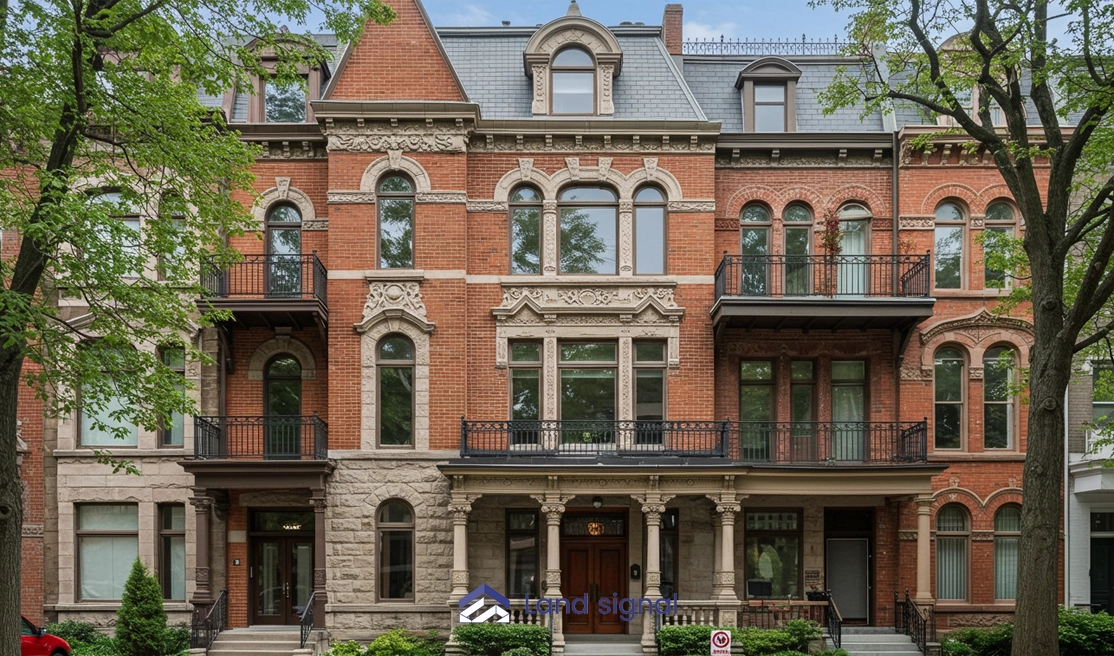
New Multiplex Construction in Toronto
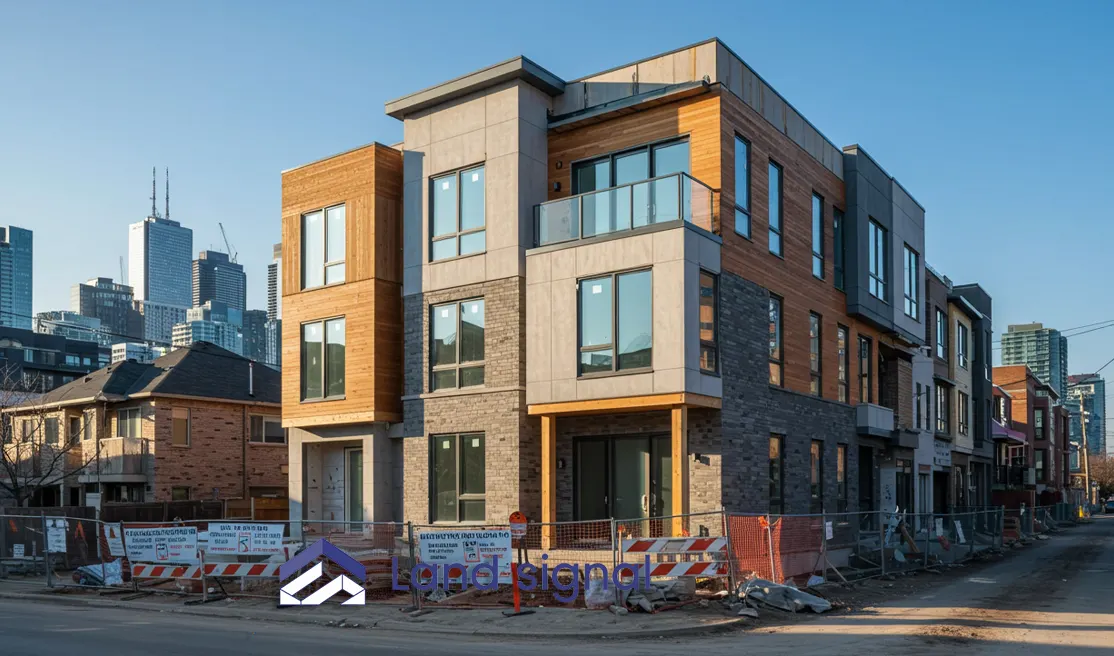
Constructing a new multiplex, whether a triplex or a fourplex, offers maximum design flexibility and the opportunity to create efficient, modern units that meet current performance standards. New builds are often more predictable than conversions because they avoid the unknown conditions that come with older structures.
Read Also: Comprehensive Guide to Obtaining a Fourplex Permit TorontoSite Selection and Zoning
Before design work begins, confirm zoning permissions through the City of Toronto’s zoning by-law and applicable mapping tools. Under provincial legislation, multiplex housing of up to four units is permitted on most residential lots that have access to municipal services. This has removed many zoning barriers and simplified the path to securing a Multiplex permit Toronto.
Architectural Planning
A qualified architect must prepare a full set of drawings that comply with the Ontario Building Code, local zoning regulations, and site-specific constraints. Effective multiplex design maximizes floor area while maintaining proper setbacks, height limits, and private open space. Detailed planning reduces the risk of revisions during permit review.
Converting an Existing Home to a Triplex or Fourplex
Converting a detached or semi-detached house into a triplex or fourplex is a common path for homeowners seeking long-term rental income. The City has confirmed that development charges do not apply to triplex or fourplex conversions, which significantly reduces overall project costs and supports the creation of new housing.
Conversions must meet all requirements for fire separation, egress, natural light, unit size, and sound transmission. These are non-negotiable safety elements under the Ontario Building Code.
Definition of Multiplex Housing in Toronto
A multiplex contains two to four self-contained dwelling units within a single structure. Each unit must include a dedicated kitchen, bathroom, and living area. These housing forms fill the “missing middle” gap between single detached houses and high-rise apartments. Their scale and massing help maintain neighbourhood character while increasing housing supply.
Why Create a Multiplex in Toronto
Increased Rental Income
A Triplex permit Toronto allows the creation of three income-producing units that can offset mortgage payments and offer long-term financial stability.
Higher Property Value
Multiplexes often have higher market value because of their income potential and the increasing demand for multi-unit rentals in Toronto.
Contribution to Housing Supply
Creating additional units supports the City’s objective of increasing density in serviced neighbourhoods and helps address the ongoing housing shortage.
Flexible Use of Space
Homeowners can occupy one unit while renting the remaining units, supporting evolving household needs or multigenerational living.
Key Zoning Updates for Multiplex Development
Toronto’s recent zoning amendments have made multiplex construction more accessible. Important updates include:Building Length and Depth
The maximum permitted building length has increased in many zones, allowing up to 19 metres. This provides more usable space for triplex and fourplex layouts.Broader Permissions
Most low-rise residential zones now permit duplex, triplex, and fourplex forms without the need for rezoning.Streamlined Conversion Rules
The City has simplified the process for converting existing homes, reducing barriers for homeowners seeking a Multiplex permit Toronto.Reduced Parking Requirements
Minimum parking requirements have been relaxed in many areas to promote walkable neighbourhoods and support transit-oriented development.Primary Benefits of Multiplex Housing
Multiplexes increase Toronto’s housing supply while maintaining the familiar scale of residential streets. They offer varied unit types, support sustainable infill development, and provide more attainable options for renters and buyers. These benefits improve community resilience and make more efficient use of existing infrastructure.
Cost Considerations for Multiplex and Triplex Development
Securing a Triplex permit Toronto requires careful cost planning. Major cost components include:Construction Costs
Expenses include foundation work, framing, roofing, insulation, mechanical systems, and interior finishes. Market conditions and material choices influence overall cost.Professional Fees
Architectural design, structural engineering, land surveying, and other expert services are essential for a compliant permit package.Contingency Budget
Renovation-based multiplex projects often reveal structural deficiencies or outdated utilities. A contingency allowance is strongly recommended.Key Challenges in Securing a Multiplex Permit Toronto
Parking Constraints
Although requirements have eased, some sites still require adequate on-site parking. Early site planning can prevent costly redesigns.Construction Complexity
Both conversions and new builds require coordination among multiple trades and detailed oversight to maintain compliance with approved plans.Building Code Requirements
Triplexes must meet strict standards for fire separation, exits, alarms, natural lighting, and minimum room sizes. These include:- 30 minutes of fire separation for existing buildings
- 45 minutes of fire separation for new construction
- Interconnected smoke and carbon monoxide alarms
- A compliant second exit if units share a common path of travel
- Minimum bedroom size requirements and natural light provisions
Floor Space Index Compliance
FSI limits regulate total permitted floor area. Exceeding these limits requires a minor variance application, which adds time and cost.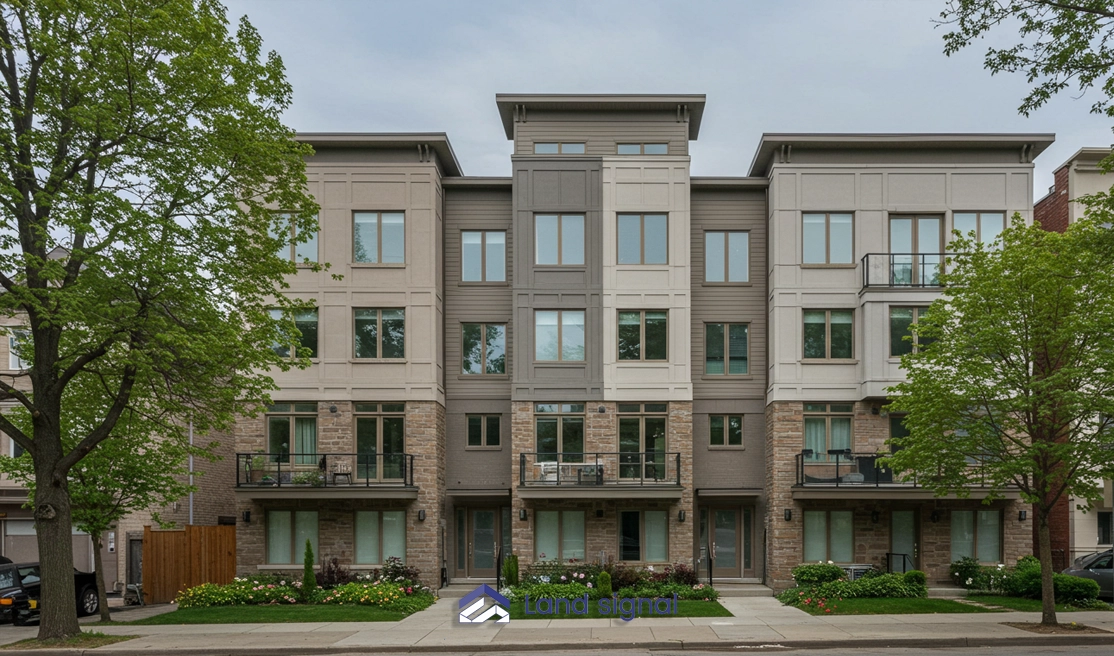
How Land Signal Can Help You Secure Your Triplex Permit Toronto
Developing a triplex or any multiplex project requires precise zoning knowledge, accurate drawings, and a strong understanding of Toronto’s regulatory framework. Land Signal streamlines the entire approval process, ensuring your Multiplex Permit, fourplex permit, or fiveplex permit is handled efficiently and professionally in the city of Toronto. We offer:- Comprehensive zoning and feasibility assessments for all multiplex configurations
- Licensed architectural and engineering support for compliant design packages
- End-to-end management of permit submissions, revisions, and City correspondence
- Guidance on OBC fire separation, egress, servicing, and density standards
- Cost planning tools to help you budget for triplex, fourplex, and fiveplex builds