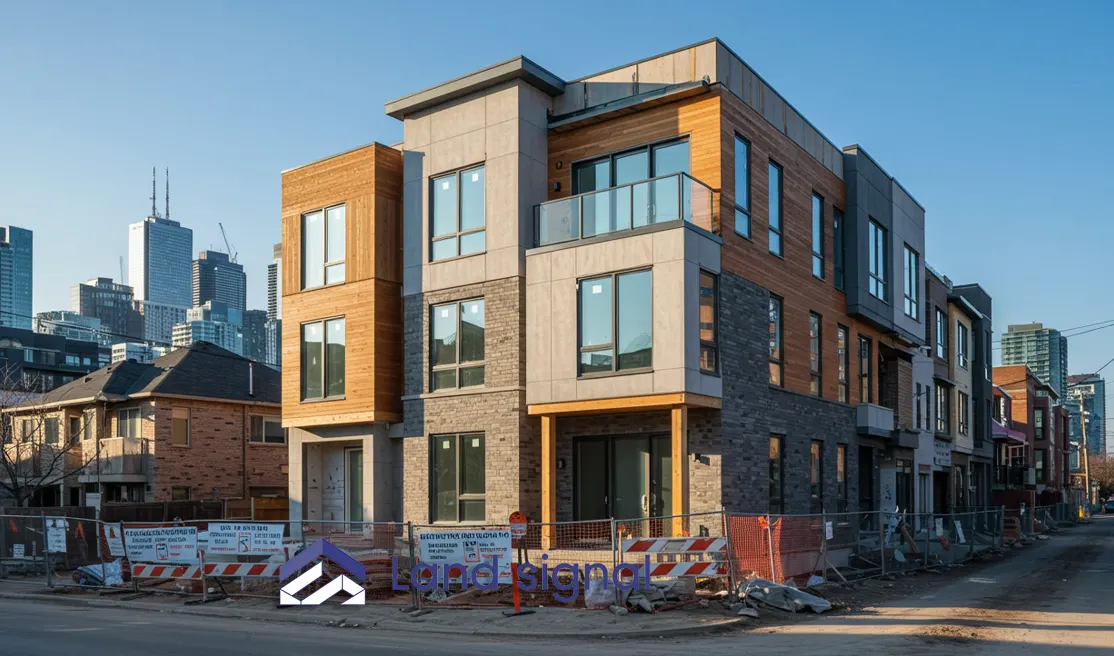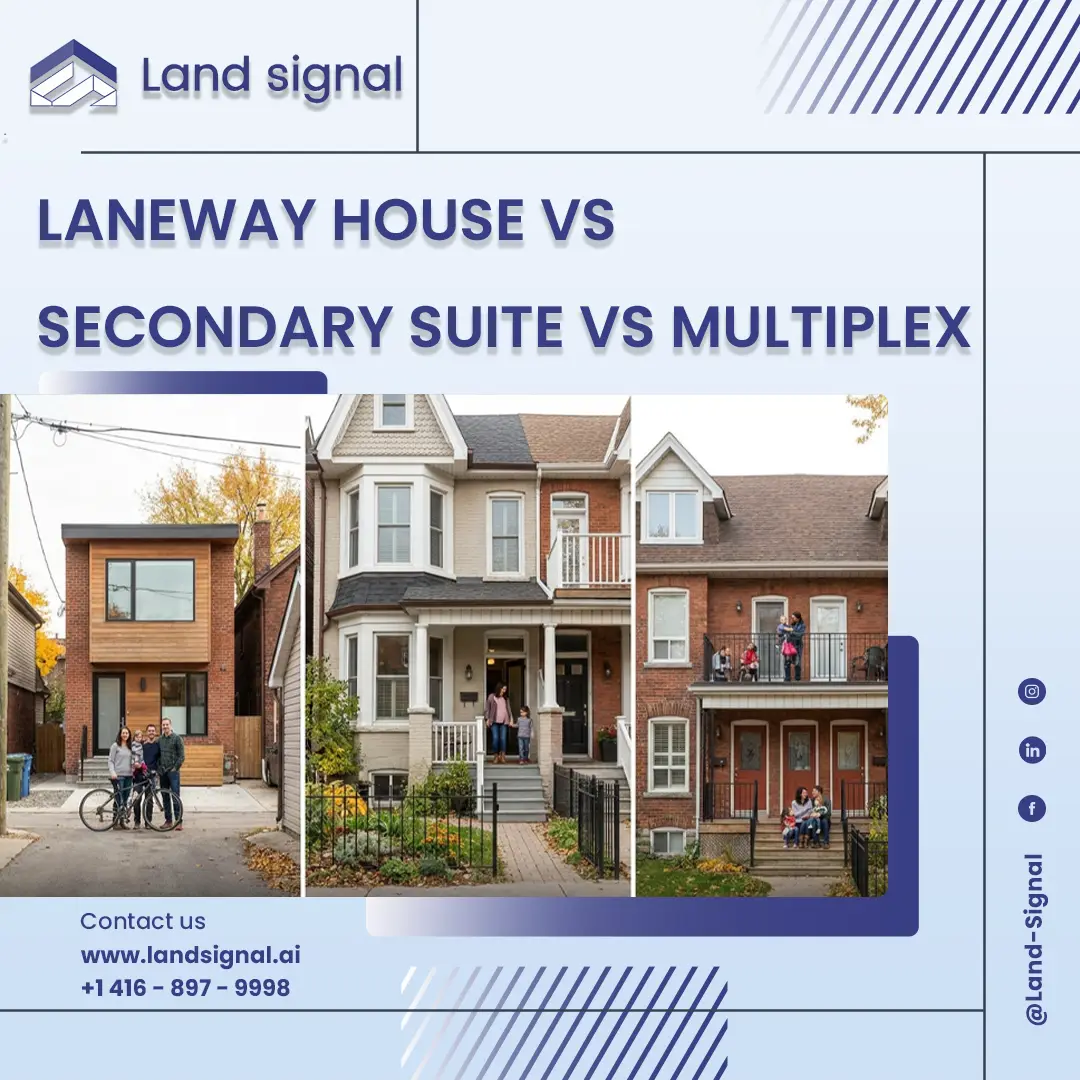










It can be hard to find the right home for your family in Toronto among all the different options. Some families want to live close together but still have their own space. Others are looking for a way to support aging parents, adult children, or extended family members. Some families want a home that gives them more space today and better value tomorrow.
In this blog, we’ll look at how laneway houses, secondary suites, and multiplexes can support families living in Toronto, and talk about some of the things that each option might lack to help you decide which would be best for your family.
Start Your Project with Confidence
At Land Signal, we assist with construction and renovation permits, as well as Garden House and Laneway Suite designs. Let our experts guide you through every step.
Why a Laneway House Can Be Good for Families
A laneway house is a great choice for families who want their own living space on the same property. Because it’s a separate building, it gives family members more privacy while still keeping everyone close by.
This setup is great for families with older parents, grown-up children, or relatives who want to live by themselves but not too far away.
Some of the main benefits of a laneway house for families include:
- More privacy than living in the same main house
- A separate and self-contained space for relatives
- Can be used for family now and rental income later
- Adds long-term flexibility to the property
Read Also:
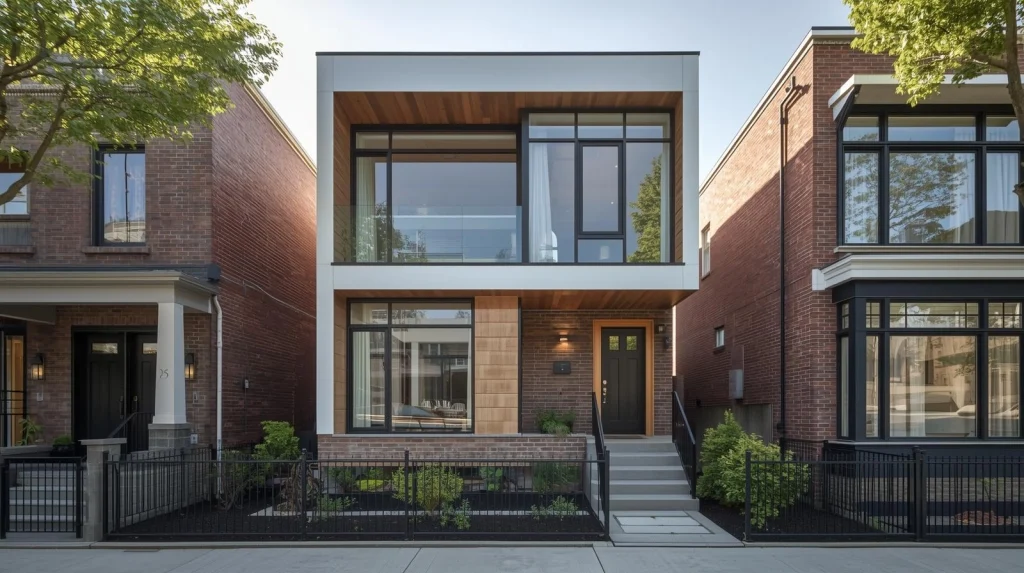
Possible Limitations of a Laneway House
One of the biggest challenges is cost, since building a separate unit usually costs a lot of money, and not all properties in Toronto are suitable for a laneway house. The size of the land, access, and local planning rules can all affect whether this type of project is possible.
Some possible limitations include:
- Higher construction costs than other housing options
- Longer approval and building timelines
- Not all lots qualify for this type of development
- Less indoor connection to the main house
- May not work as well for families who want to share daily spaces closely
Benefits of a Secondary Suite for Family Living
A secondary suite is often one of the most practical family housing options because it’s created within the main home. This option is great for families who want to live together but still have their own space.
Some of the main benefits of a secondary suite for families include:
- Usually more affordable than building a laneway house
- Makes use of existing space within the home
- Keeps family members close together
- Can support aging parents, adult children, or caregivers
- May create rental income in the future if family needs change
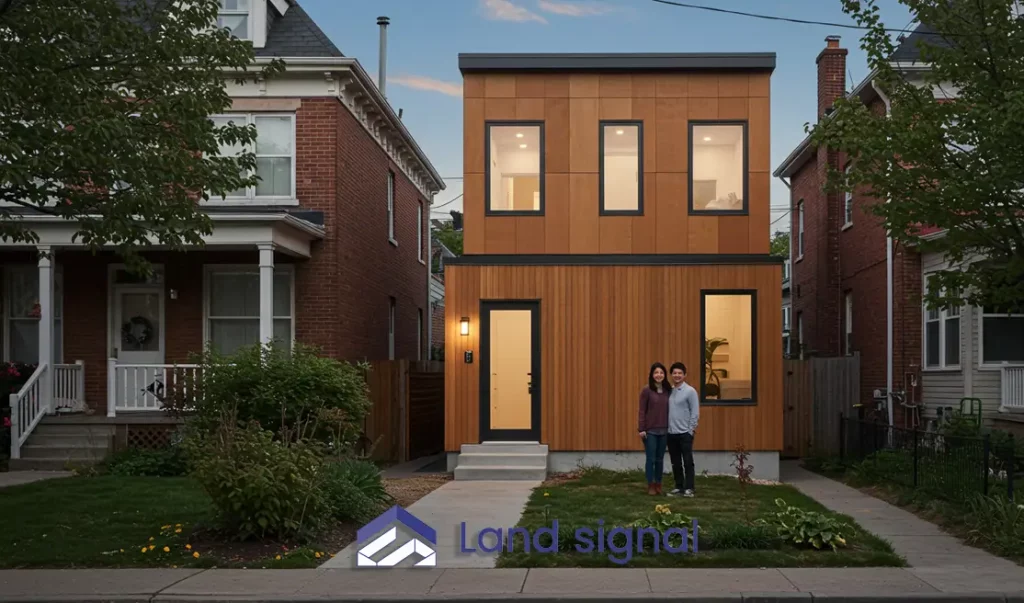
Challenges a Secondary Suite May Create for Some Families
Because a secondary suite is built inside the main house, you might not have as much privacy as you would with a separate building. The way a house is built can also affect how comfortable the suite feels. In some homes, there may be less space or it may be harder to divide the space in a way that gives everyone enough room.
Some possible limitations include:
- Less privacy than a detached housing option
- Shared walls can lead to more noise between units
- Existing home layouts may limit comfort and design
- May feel less independent for some family members
Why Some Families Choose a Multiplex
A multiplex is a great choice for big families or those who want a multigenerational home. It can be a good option if you want separate living spaces within one property. A multiplex is a great option for those who want to keep their relatives close by, but don’t have enough space for a large family.
Some of the main benefits of a multiplex for families include:
- Creates multiple separate units on one property
- Good for larger or multigenerational families
- Offers more flexibility for different household needs
- Can combine family living with rental opportunities
- May increase the long-term value and utility of the property
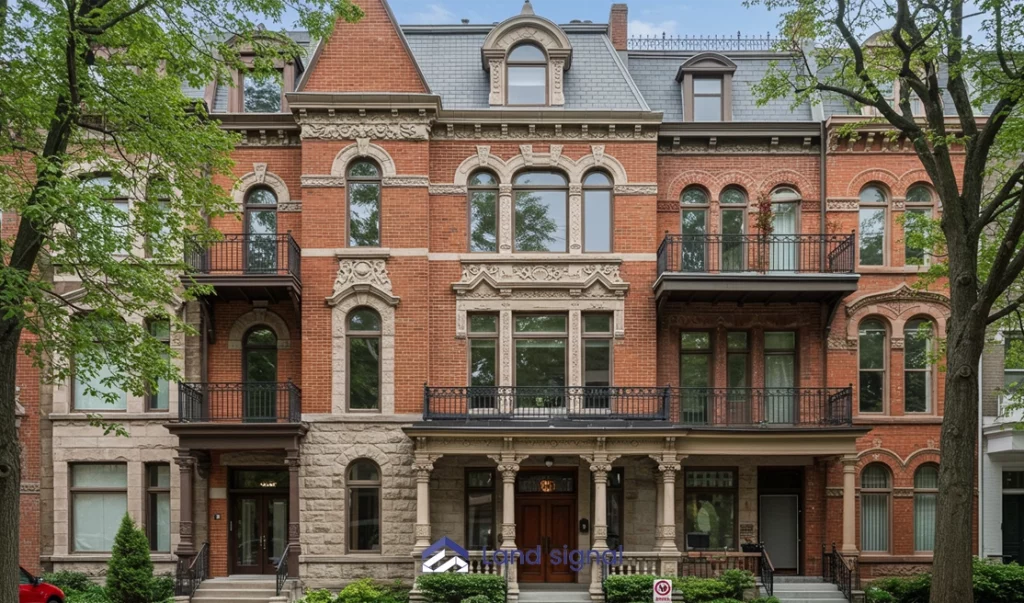
When a Multiplex May Not Be the Right Fit
Making changes to a multiplex usually means more planning, more approvals and a larger budget. It may also not be the best choice for families who simply need one extra room instead of several separate spaces.
Some possible limitations include:
- Higher costs for design, construction, and approvals
- More complex planning and zoning considerations
- Longer timelines before the space is ready to use
- May be more than some families actually need
Can involve more ongoing management if some units are rented out
How Land Signal Supports Family-Focused Housing Planning in Toronto
Choosing between a laneway house, a secondary suite, and a multiplex is not only about creating more space for your family. It also involves understanding lot eligibility, zoning permissions, approval requirements, design feasibility, budget, and how each option supports multigenerational living over time. Land Signal helps homeowners navigate these decisions by supporting:
Zoning and land use analysis to assess whether your property is suitable for a laneway house, secondary suite, multiplex conversion, or a combination of family-oriented housing options under Toronto bylaws
- Guidance on permit and application requirements for each housing type, including submissions related to layout, code compliance, servicing, and overall development feasibility
- Coordination with architects, designers, and consultants to help create practical, buildable plans that align with your family’s space needs, privacy goals, and long-term property strategy
- Support with early planning decisions that can affect cost and livability, such as unit arrangement, access, shared versus separate spaces, construction complexity, and approval timelines
- Guidance on long-term flexibility and property value, including how different housing options can support aging parents, adult children, extended family living, or future rental opportunities
Whether you are exploring a laneway house for added privacy, a secondary suite for practical family living, or a multiplex for long-term multigenerational flexibility, Land Signal helps simplify the planning process and move your project forward with greater clarity and confidence.
Contact our team today for expert guidance and a smoother path from family housing goals to approved plans.
Conclusion
Laneway houses, secondary suites and multiplexes can all be good family housing options in Toronto, but the best one depends on what you need, what your property is like and your family condition.
Overall, I believe a laneway house is perfect for families who want more privacy and their own space. A secondary suite could be the best choice for families or groups of people who want to live close together without spending too much money. A multiplex is a good choice for larger families who want more than one unit and more flexibility in the long term.
FAQ
Best ROI: Garden suites often provide the best “return per dollar” because they are the cheapest to build (especially prefab).
Maximum Wealth: Multiplexes create far more equity—sometimes five times as much as a suite ,because they drastically increase the total living space and revenue potential of the land
A laneway suite is a type of property that is located on a lot that is next to a publicly designated laneway. A garden suite is for properties that don’t have access to public laneways. There are two parts of the zoning by-law that apply to garden and laneway suites.
Laneway Suites require your property to share a border with a public laneway. They often replace an old garage and have their own entrance from the alley.
Garden Suites are for properties without laneway access. They sit in the backyard and are accessed through a side path or driveway.
Multiplexes involve converting a single home into 3–6 separate units. Unlike suites, they are often a full house redevelopment rather than just an accessory building
Sources
- VanPlex. (2026). Laneway vs Suite vs Multiplex: Best for Family? — A homeowner-oriented comparison of laneway homes, secondary suites, and multiplex housing, with a focus on family living, cost, privacy, and long-term flexibility. Retrieved from https://www.vanplex.ca/blog/laneway-vs-suite-vs-multiplex-family-living-2026
- City of Toronto. Secondary Suites — An official overview of how secondary suites are defined in Toronto, along with planning and policy context for adding housing within an existing home. Retrieved from https://www.toronto.ca/city-government/planning-development/planning-studies-initiatives/secondary-suites/
- City of Toronto. Multiplex Housing — An official city resource covering Toronto’s multiplex housing framework, including planning guidance and the role of multiplexes in expanding low-rise housing options. Retrieved from https://www.toronto.ca/city-government/planning-development/planning-studies-initiatives/multiplex-housing/
- City of Toronto. New Laneway Suite — A practical permit guide outlining submission requirements, drawings, approvals, and application steps for building a new laneway suite in Toronto. Retrieved from https://www.toronto.ca/services-payments/building-construction/building-permit/before-you-apply-for-a-building-permit/building-permit-application-guides/renovation-and-new-house-guides/new-laneway-suite/