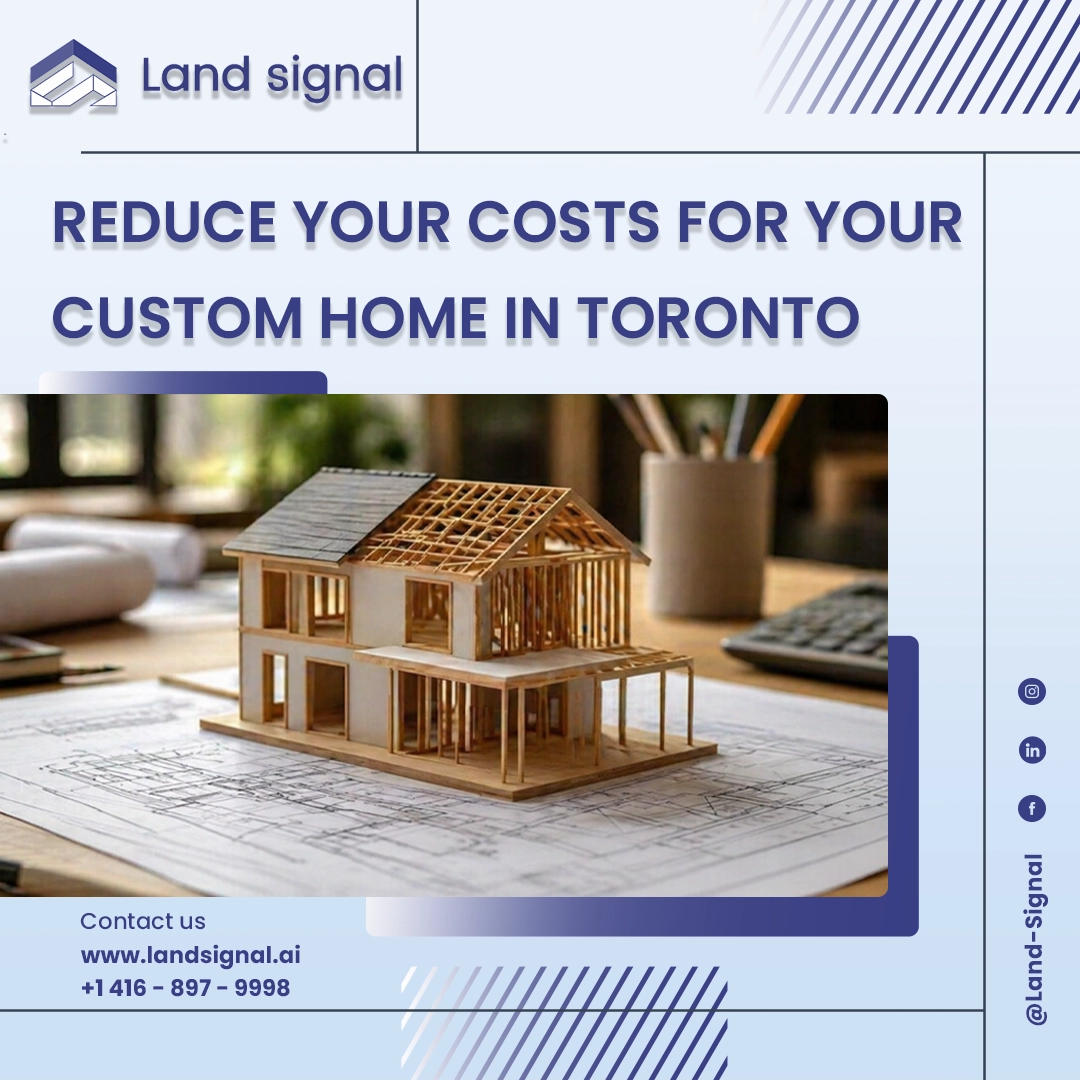









Building a custom home sounds like absolute creative freedom, and it’s easy to forget about your budget when you’re picturing your perfect home. The good news is that keeping a custom build affordable doesn’t always mean giving everything in that picture up.
In many cases, it’s as easy as making better choices early, simplifying where it makes sense, and focusing on what actually adds value to the home. If you want to keep your project under control financially, there are several practical ways to do it without losing the quality or character that made you want to build custom in the first place.
Start Your Project with Confidence
At Land Signal, we assist with construction and renovation permits, as well as Garden House and Laneway Suite designs. Let our experts guide you through every step.
1. Prioritize Function Over Size
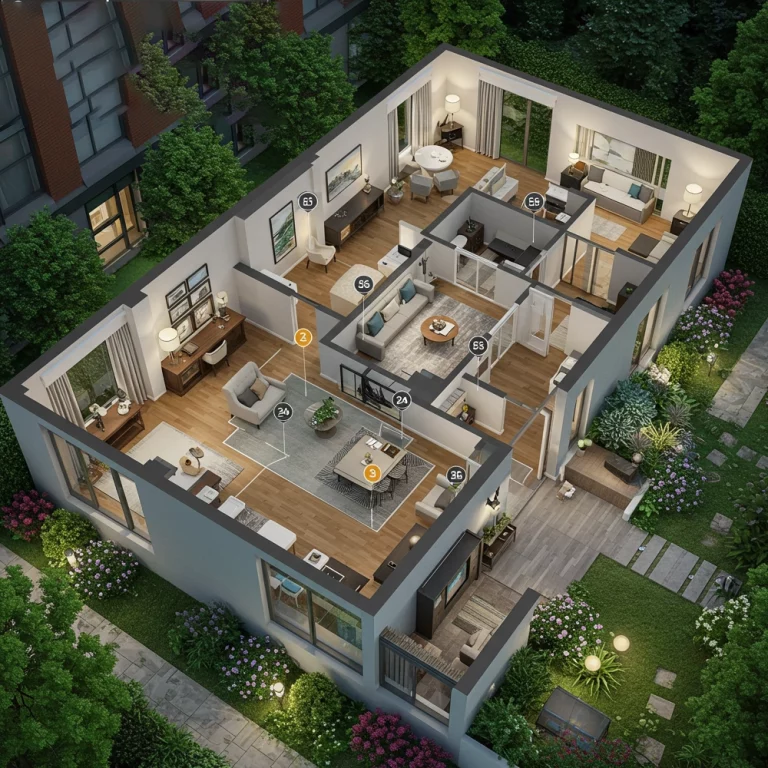
The more square footage you add, the more you pay for structure, finishes, labour, heating, cooling, and long-term maintenance. This is where the saying “quality over quantity” really makes sense.
A smaller home with a strong layout can feel far better than a larger one with wasted areas. When each room has a purpose and the design works well, the house feels more like a home and often more comfortable too.
A functional design usually includes:
- Rooms that support your daily routine
- Fewer underused spaces
- Multi-purpose areas where possible
- A layout that makes the most of every square foot
2. Design for Standard Sizes
Windows, doors, cabinetry and many other building materials tend to be more affordable when they are made to standard dimensions. As soon as you start changing sizes or requesting customized pieces, labour and material costs tend to increase. Save custom work for areas where it’ll have the greatest impact and use standard sizes for everything else.
3. Engage Contractors Early
If a contractor is involved from the beginning, they can identify design choices that could increase costs unnecessarily. They can also suggest more practical construction methods and highlight details that could cause delays or necessitate additional work later on.
Their input can be especially helpful when it comes to:
- Simplifying construction methods
- Reducing hard-to-build details
- Spotting budget issues before they grow
- Making sure the design is realistic to build
4. Act as Your Own Project Manager
This approach saves money, but beware of the responsibility you’ll have to shoulder. Acting as your own project manager means taking on tasks that would normally be handled by a professional, including scheduling trades, coordinating deliveries, solving problems, and keeping the build moving.
For some homeowners, that works well. If you’re organized, available, and comfortable making decisions quickly, you may be able to reduce project management costs this way. But it also takes time, attention, and a willingness to stay involved throughout the build.
5. Source Materials Wisely
Material choices have a huge effect on your overall budget, and prices can vary a lot depending on where you buy and how flexible you are. Shopping around takes more time, but it can save a lot of money. In some cases, you may find similar products at a lower price, or be able to buy surplus materials that still work perfectly for your project.
A smart sourcing strategy might include:
- Comparing prices from multiple suppliers
- Asking about trade discounts
- Buying locally to reduce transport costs
- Looking for surplus or leftover stock
- Being flexible on non-essential finishes
6. Use Cost-Effective Alternatives
There are many affordable materials and finishes that look great. Opting for more affordable alternatives doesn’t mean that your home will feel lower quality.
For instance, polished concrete flooring can be an excellent alternative to pricier options in the right setting. Plywood joinery can also work well in homes with a simpler, more modern aesthetic. The key is to choose materials that fit the design instead of spending more just because something sounds premium.
7. Invest in Energy Efficiency
Some cost-saving decisions focus on the long-term rather than the initial construction costs. Although energy-efficient features often cost more initially, they can reduce your running costs over time and make your home more comfortable.
That could include:
- High-performance insulation
- Triple-glazed or well-performing windows
- Heat pumps
- Efficient heating and cooling systems
- Solar panels where suitable
These features won’t lower your construction budget right away, but they improve long-term value and reduce monthly expenses. If you’re planning to stay in the home for years, it’s a smart tradeoff.
How Land Signal Supports Custom Home Planning and Approvals in Toronto
Reducing costs on a custom home build is not only about choosing less expensive finishes. It also involves making smart decisions early around design efficiency, permitting, consultant coordination, and long-term performance. Land Signal helps homeowners and developers manage these moving parts by supporting:
- Zoning and land use analysis to confirm your custom home plans align with Toronto bylaws, lot-specific development standards, and permitted built form
- Guidance on permit application requirements for new custom homes, including submissions related to layout, structure, and overall compliance
- Coordination with architects, designers, and engineers to help create buildable, cost-conscious plans that meet code requirements and reduce avoidable revisions
- Support with early planning decisions that can affect cost, such as building size, layout efficiency, construction feasibility, and approval timelines
- Guidance on sustainability and energy-efficiency considerations, including building performance requirements and features that can improve long-term value and operating costs
Whether you’re designing a modest custom home, refining plans to stay within budget, or preparing for a full new-build project, Land Signal helps simplify the approval process and keeps your project moving forward with greater clarity and control.
Contact our team today for expert guidance and a smoother path from planning to construction.

Conclusion
A well-planned layout, practical sizing, early contractor input, thoughtful sourcing, and smart material choices can all help bring the budget under control. And when long-term efficiency is part of the plan too, the savings can continue well after construction is finished.
A custom home doesn’t have to empty your pockets. I believe with the right approach, it’s possible to build something personal, functional, and financially realistic at the same time.
FAQ
The most cost-effective way to build a home is to design a simple floor plan. Sticking to a compact, square or rectangular design can make the process of designing and building the home more straightforward. Using a predesigned or stock floor plan can lead to faster permitting and greater efficiency.
- Remember that the success of your construction or renovation project depends on how clearly you define its scope and how closely you adhere to it throughout the project lifecycle. Setting clear boundaries and expectations at the outset will save you time and stress in the long-term, as well as reducing your construction costs.
Although custom builds often have a higher upfront cost than standard production homes, this does not necessarily mean they are out of reach.
Sources
- NAHB. 8 Strategies for Reducing Construction Costs. Shares practical ways to lower home-building expenses, from simplifying design choices to avoiding costly change orders during construction. Retrieved from https://www.nahb.org/subsites/log-homes/buyers-guide/budget-and-financing-pages/8-strategies-for-reducing-construction-costs
- Home Source Custom Homes. Budgeting Tips for Custom Home Building: Avoid Costly Mistakes. Covers budgeting fundamentals for custom home projects, including planning for hidden costs, setting realistic expectations, and working closely with your builder. Retrieved from https://homesourcecustomhomes.com/budgeting-tips-for-custom-home-building-avoid-costly-mistakes/
- Lunchbox Architect. How to Cut Costs on Your Build (Without Sacrificing Good Design). Explains how to reduce building costs while preserving design quality, with advice on space planning, form, materials, and smarter design decisions. Retrieved from https://www.lunchboxarchitect.com/blog/how-to-cut-costs-on-your-build-without-sacrificing-good-design/
- Parco Studio. Six Keys to Managing the Cost of Building Your Own Home. Offers a design-led perspective on controlling self-build costs, with guidance on priorities, scope, budgeting discipline, and decision-making throughout the project. Retrieved from https://www.parcostudio.com/blog/6-keys-to-managing-the-cost-of-building-your-own-home