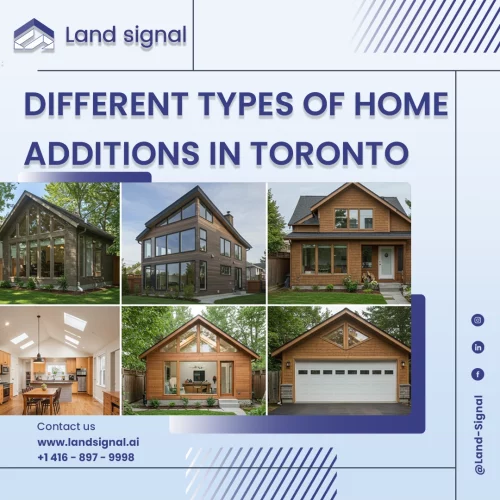











In Toronto’s competitive housing market, where space is limited and property values are rising, many homeowners choose to expand their homes instead of moving. Home additions are a practical way to increase living space, improve functionality, and boost property value, whether you’re adding a bedroom, expanding the kitchen, or building a second floor.
At Land Signal, we help you navigate Toronto’s zoning and land use regulations. We provide guidance and handle permits for home additions, renovations, basement conversions, second-floor additions, and triplex conversions. This article explores the types of home additions available, covering key features, cost factors, and the design and permitting process to help you make informed decisions every step of the way.
Understanding the Concept of Home Addition in Toronto
A home addition involves expanding the existing structure of a house by adding new living space. This can range from small bump-out additions to extensive second-story expansions. Home additions serve various purposes, including increasing living space, enhancing functionality, improving energy efficiency, and boosting property value.
In Toronto’s competitive real estate market, home additions offer a valuable way to maximize living space without relocating. They provide homeowners with the flexibility to customize their homes to meet their evolving needs and preferences.
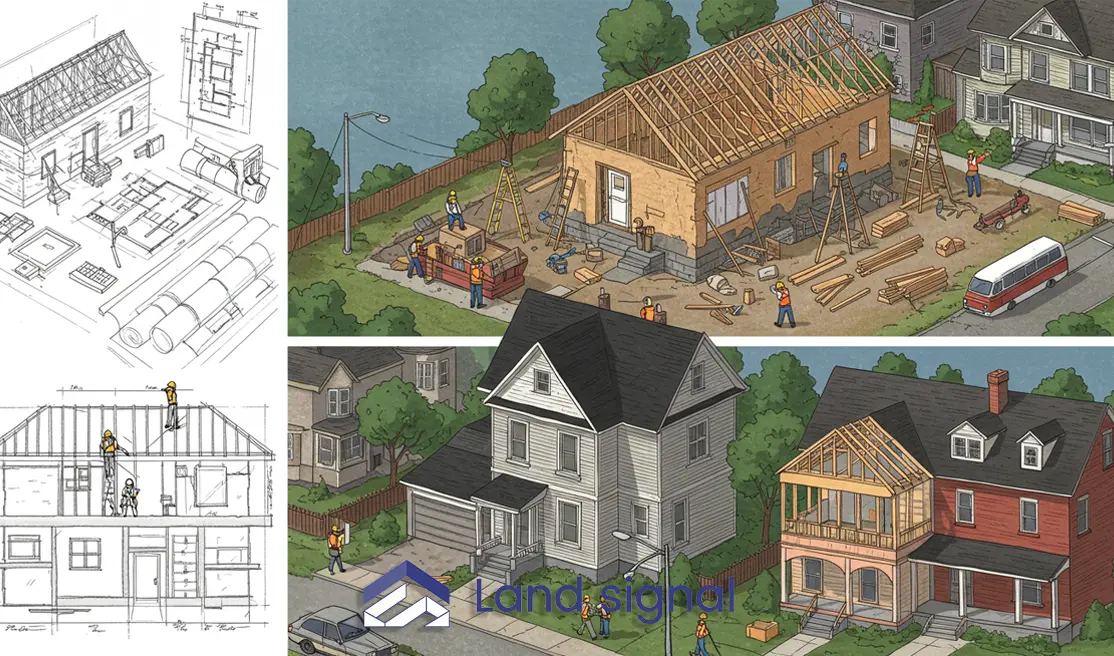
Why Zoning, Setbacks, and Lot Coverage Matter Before You Design
Before committing to drawings or construction, it’s important to understand how Toronto’s zoning bylaws affect what kind of home addition is possible on your property. Many homeowners assume that design comes first, but zoning constraints often define size, height, and placement limits long before aesthetics are considered.
Key zoning factors include lot coverage, front, rear, and side-yard setbacks, building height limits, and floor space index (FSI). These regulations determine how much of your lot can be built on, how tall an addition can be, and how close it may sit to property lines. Even small additions can trigger zoning variances if they exceed allowable thresholds.
Ignoring these rules early can lead to costly redesigns, permit refusals, or lengthy variance applications that delay construction by months. That’s why a zoning and feasibility review should happen before finalizing architectural plans. Identifying constraints early allows homeowners to adjust scope, explore alternative layouts, or determine whether a minor variance is realistically achievable.
Popular Types of Home Additions in Toronto
Sunroom Additions
Sunrooms are enclosed spaces designed to maximize natural light and provide panoramic views. They can be built with materials such as glass, wood, or vinyl, and they can be customized to match the style of the home. These versatile spaces are ideal for relaxation, entertainment, or use as a home office. Sunrooms can be three-season rooms for the warmer months or fully insulated four-season rooms for year-round use.
Bump-out (Room Addition)
A bump-out is a small extension that expands an existing room by a few feet. It’s a cost-effective way to create additional space in areas such as kitchens, bathrooms, and bedrooms, and to design spaces like breakfast nooks, walk-in closets, and reading corners. Bump-outs can greatly enhance a room’s functionality and flow.
Second-Story / Second Floor Additions
Second-floor addition Toronto involves adding a full second story to an existing one-story house. This significant undertaking substantially increases living space and dramatically transforms the house’s appearance. Second-story additions are ideal for growing families or those who desire more bedrooms, bathrooms, or living areas. They can also enhance the curb appeal and overall value of the property.
Read Also: Second Story Addition Ideas | Design Inspiration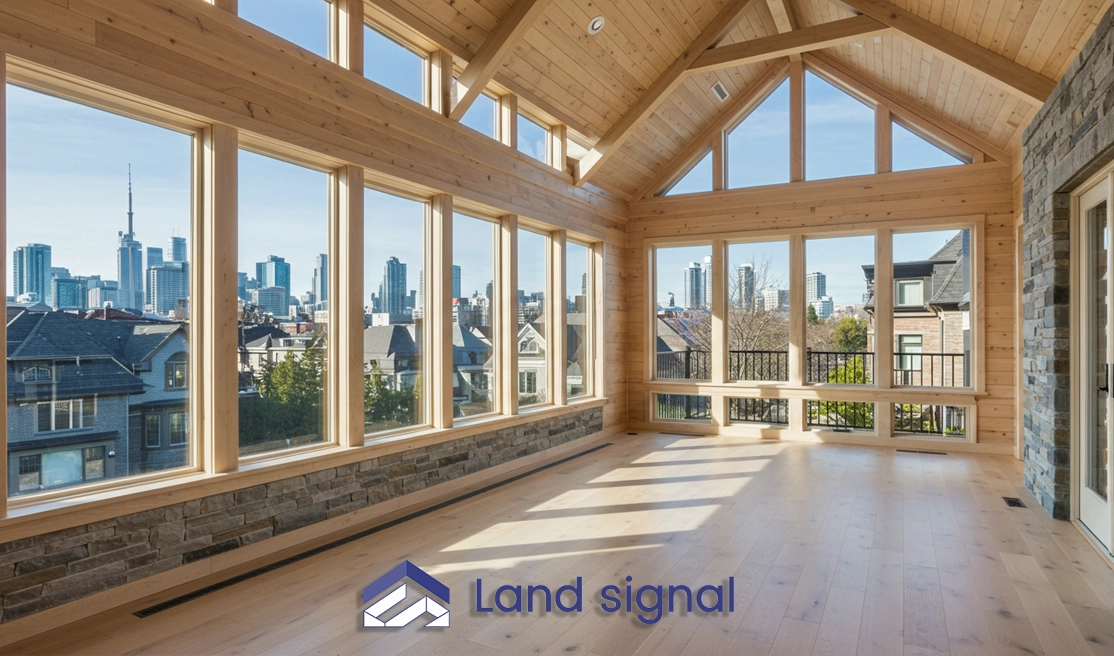
Garage Conversions
Garage conversions transform existing garages into functional living spaces, such as bedrooms, home offices, and recreational areas. This cost-effective option adds space without expanding the home’s footprint, but careful planning is required for insulation, ventilation, and lighting.
Over-the-Garage Addition
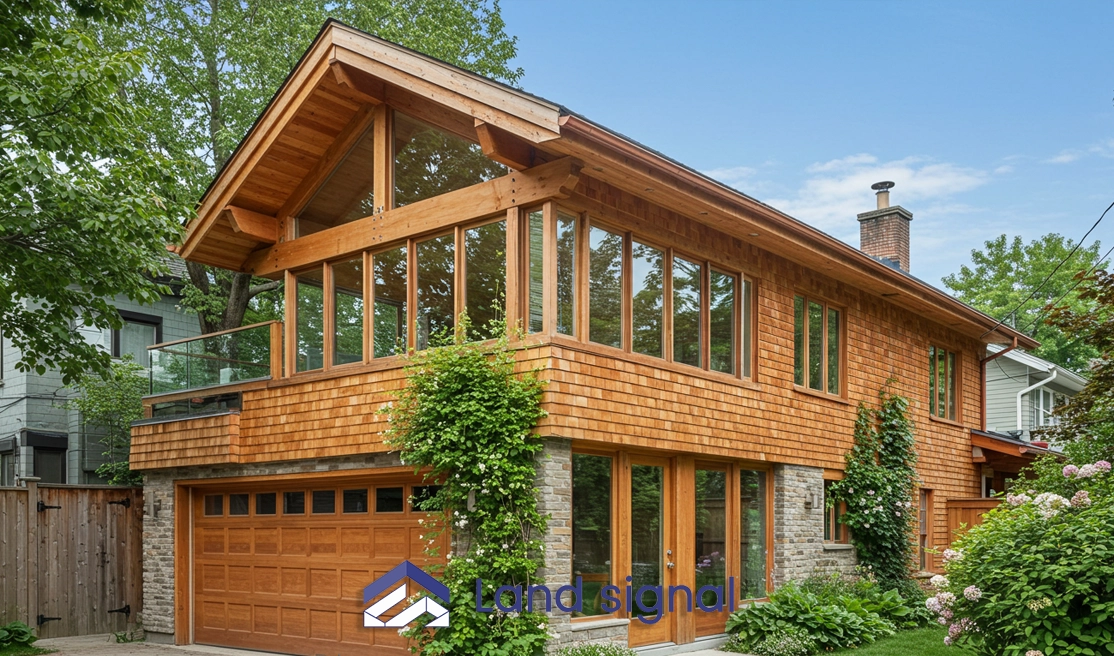
An over-the-garage addition provides extra living space above an existing garage. It’s a cost-effective way to add a bedroom, bathroom, or home office. However, these additions require careful structural planning to ensure the garage can support the additional weight, and they can be designed to seamlessly match the home’s architecture.
Read Also: Above Garage Addition Toronto | Everything You Need to Know About
Basement Addition
Basement additions, or basement finishing, involve converting an unfinished basement into usable living space. This can create additional bedrooms, bathrooms, recreational rooms, or home theaters. Basement additions require careful consideration of moisture control, insulation, and ventilation to ensure a comfortable and healthy living environment. Proper waterproofing and drainage are essential to prevent moisture-related issues.
Read Also:A Complete Guide to Obtaining a Legal Basement Permit Toronto
Attic Conversion
Attic conversions involve transforming an unfinished attic space into usable living space. This can create additional bedrooms, home offices, or playrooms. Attic conversions require careful consideration of roof structure, insulation, and ventilation. Dormer windows can be added to increase headroom and natural light in the converted attic space.
Accessory Dwelling Unit (ADU)
An ADU is a self-contained living unit, typically located on the same property as a single-family home. ADUs can be attached to the main house or detached as a separate structure. They provide independent living quarters for family members, guests, or renters. ADUs are becoming increasingly popular in Toronto as a way to address housing affordability challenges.
Read Also: The Ultimate Guide to Laneway Suite Toronto
Planning Your Home Addition Project
- Assessing Your Needs and Goals: Before embarking on a home addition project, carefully assess your needs and goals. Determine the purpose of the addition, the desired size and layout, and the budget you’re willing to allocate. Consider your family’s lifestyle and how the addition will enhance your living space. Create a prioritized list of needs and wants to guide the design process and ensure the addition meets your most important requirements. Consider future needs and potential resale value when planning the addition.
- Designing the Space: Work with a qualified architect or designer to create a detailed design plan for the home addition. The design should seamlessly integrate with the existing house’s architecture and enhance its functionality. Consider factors such as natural light, ventilation, and traffic flow when designing the space. Explore different design options and consider 3D renderings to visualize the finished space. Incorporate energy-efficient features and sustainable materials into the design.
- Obtaining Necessary Permits: Once the design is finalized, obtain the necessary permits and approvals from the City of Toronto’s building department. This involves submitting detailed drawings and specifications for review. The permitting process can take several weeks or even months, so factor this into the project timeline. Ensure all required documentation, including engineering reports and structural calculations, is submitted accurately and completely. Be prepared to address any comments or revisions requested by the building department.
- Managing the Construction Phase: During the construction phase, closely monitor the progress of the project and maintain open communication with the contractor. Address any issues or concerns promptly to ensure the project stays on track and within budget. Regular site visits and progress meetings are essential for effective project management. Maintain a detailed project log to document progress, changes, and any issues that arise. Establish a clear communication protocol with the contractor and ensure regular updates.
- Final Inspections and Completion: Upon completion of the construction, schedule final inspections with the city’s building department to ensure the addition meets all building codes and regulations. Once the final inspections are passed, the project is considered complete, and you can enjoy your newly expanded living space. Obtain a certificate of occupancy from the city, confirming the addition is safe and habitable. Conduct a final walkthrough with the contractor to address any outstanding items or deficiencies.
Conclusion
Home additions offer a valuable way to enhance living space, improve functionality, and increase property value in Toronto’s competitive housing market. By understanding the different types of home additions available, the associated costs, and the planning process involved, homeowners can make informed decisions and create customized extensions that seamlessly integrate with their existing homes and lifestyles. Careful planning, thorough research, and collaboration with qualified professionals are essential for a successful and rewarding home addition project.