









With rising energy costs and growing interest in sustainable homes, many Toronto homeowners are exploring solar energy as a smart long-term investment. One of the most common questions we hear at LandSignal is simple:
Do solar panels create heat, or do they produce electricity?
The short answer: most solar panels used in Toronto today generate electricity, not heat.
Understanding Solar PV Panels
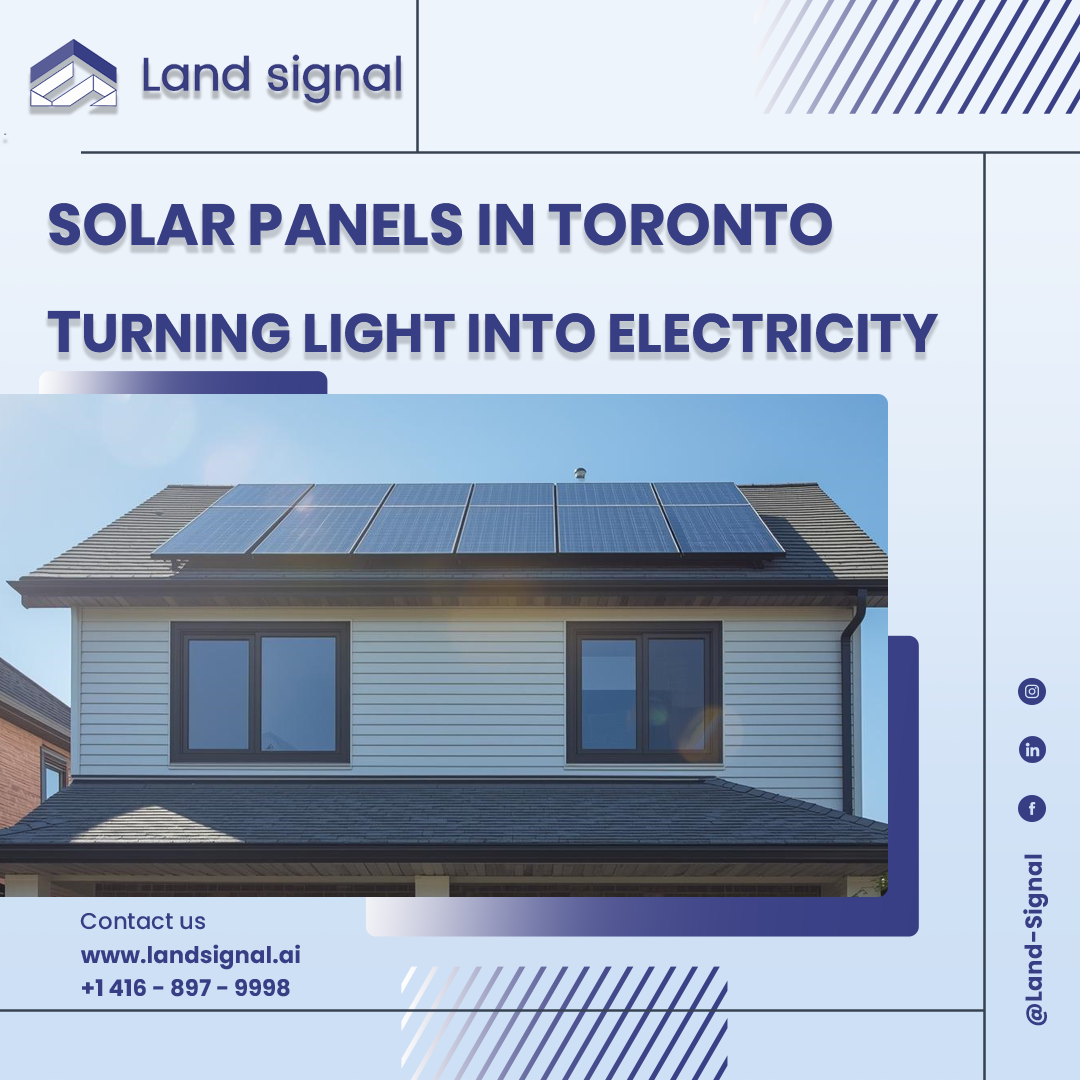
The vast majority of residential solar installations in Toronto use solar photovoltaic (PV) panels. These panels convert sunlight directly into electricity, which can be used to power your home.
Solar PV systems work by capturing light, not heat meaning they remain effective even during colder months. This makes them well suited to Toronto’s climate, including winter conditions.
How Solar PV Works in Toronto Homes
A typical solar PV system allows homeowners to:
- Generate clean electricity for daily household use
- Reduce reliance on the power grid
- Lower long-term energy costs
- Export surplus electricity back to the grid through net metering with Toronto Hydro
Under net metering, excess electricity produced during sunny periods is credited and used later, such as in the evening or winter months.
What About Solar Panels That Produce Heat?
There is another technology called solar thermal systems, which use sunlight to produce heat—mainly for domestic hot water. While these systems exist, they are far less common in Toronto today.
Most homeowners now prefer solar PV systems because they:
- Are more versatile
- Require less maintenance
- Integrate easily with modern systems like heat pumps and EV chargers
- Provide better long-term value
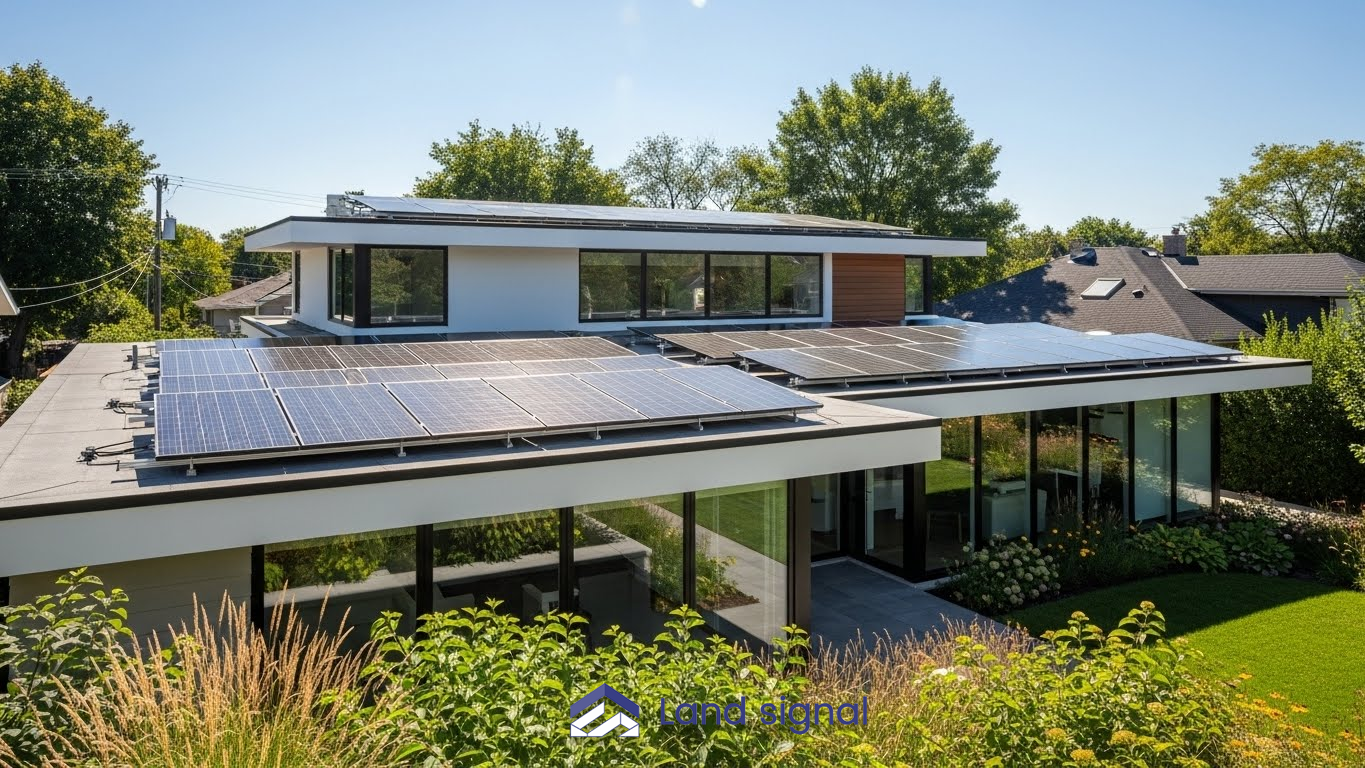
Why Solar PV Is the Preferred Choice in Toronto
Solar PV panels are the dominant choice for residential projects because they:
- Perform reliably year-round
- Align with current utility programs and incentives
- Are easier to permit and install
- Increase property value
- Support multi-unit homes and rental suites
For homeowners adding secondary units or upgrading existing properties, solar PV can help offset increased electrical demand while improving overall efficiency.
Read More: Maximizing Grants & Incentives for Your Toronto Home
How Solar Collectors Are Applied in Homes and Buildings
Solar collectors are used in different ways in Eco-Friendly Home Design all over Toronto. One of the most common uses is for heating water at home. Solar collectors can heat water for showers, sinks and laundry, so you don’t have to rely as much on regular water heaters.
They’re also great for space heating, where solar-heated water or air is circulated through radiators or floor heating systems. This is really handy in spring and autumn, when it’s not too hot and not too cold.
In offices and apartment blocks, solar collectors are sometimes used to heat water or pools, or to power larger mechanical systems. If you get these apps right, they can save you money on energy costs in the long run.
Permits and Regulations for Solar Collectors in Toronto
You usually need to get planning permission to install solar collectors in Toronto, especially if you’re putting them on a roof. You’ll usually need a building permit to make sure the structure can safely support the system and that the installation meets the building code. Depending on the property and system type, you may need to consider:
- Building permit, particularly for rooftop or wall-mounted solar collectors
- Zoning compliance review, especially for ground-mounted systems or installations affecting height, setbacks, or lot coverage
- Heritage approval, if the property is designated or located in a heritage conservation district
- Structural review or engineer’s letter, to confirm the building can support the additional load
- Electrical or mechanical permits, if the solar collector system integrates with existing building systems
- Site plan approval, in some cases for larger or commercial installations
How Land Signal Helps Toronto Property Owners with Solar Collectors
Land Signal supports homeowners, builders, and property owners through the planning and permit process for solar collector installations across Toronto. Whether you’re adding a rooftop system or a ground-mounted solar thermal setup, our team helps ensure your project meets all local requirements. We assist with:
- Building permit applications for rooftop, wall-mounted, and ground-mounted solar collectors
- Zoning and site plan reviews to confirm compliance with height, setback, and lot coverage rules
- Structural reviews and coordination with engineers to verify load capacity and code compliance
- Heritage approvals, when solar collectors are proposed on designated or protected properties
- Clear guidance on City of Toronto regulations to avoid delays and costly revisions
Whether you’re upgrading a single-family home, a multi-unit building, or a commercial property, Land Signal helps make the solar collector approval process straightforward, accurate, and stress-free.
Conclusion
Solar collectors are a great way to use renewable energy for heating, even in a city like Toronto with a colder climate. If you understand how solar collectors work, the different system types, and where they are most effective, you can make more informed decisions. I think that installing solar collectors in Toronto is more about long-term efficiency and sustainability than short-term savings. With the right planning and some expert advice, solar thermal systems can be a great addition to both homes and businesses.