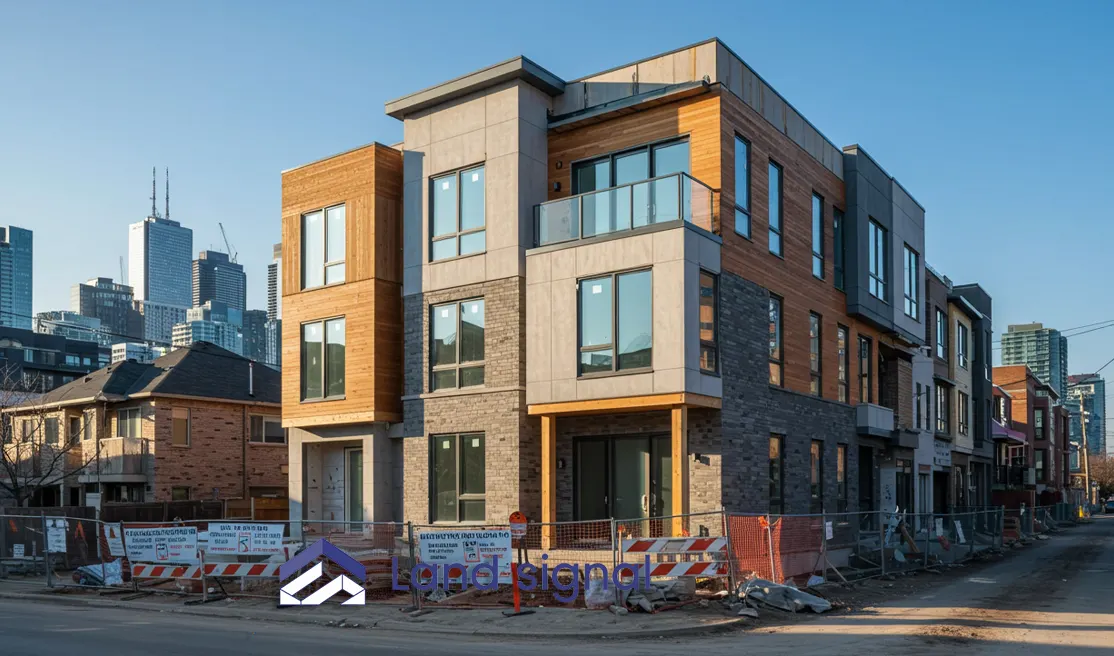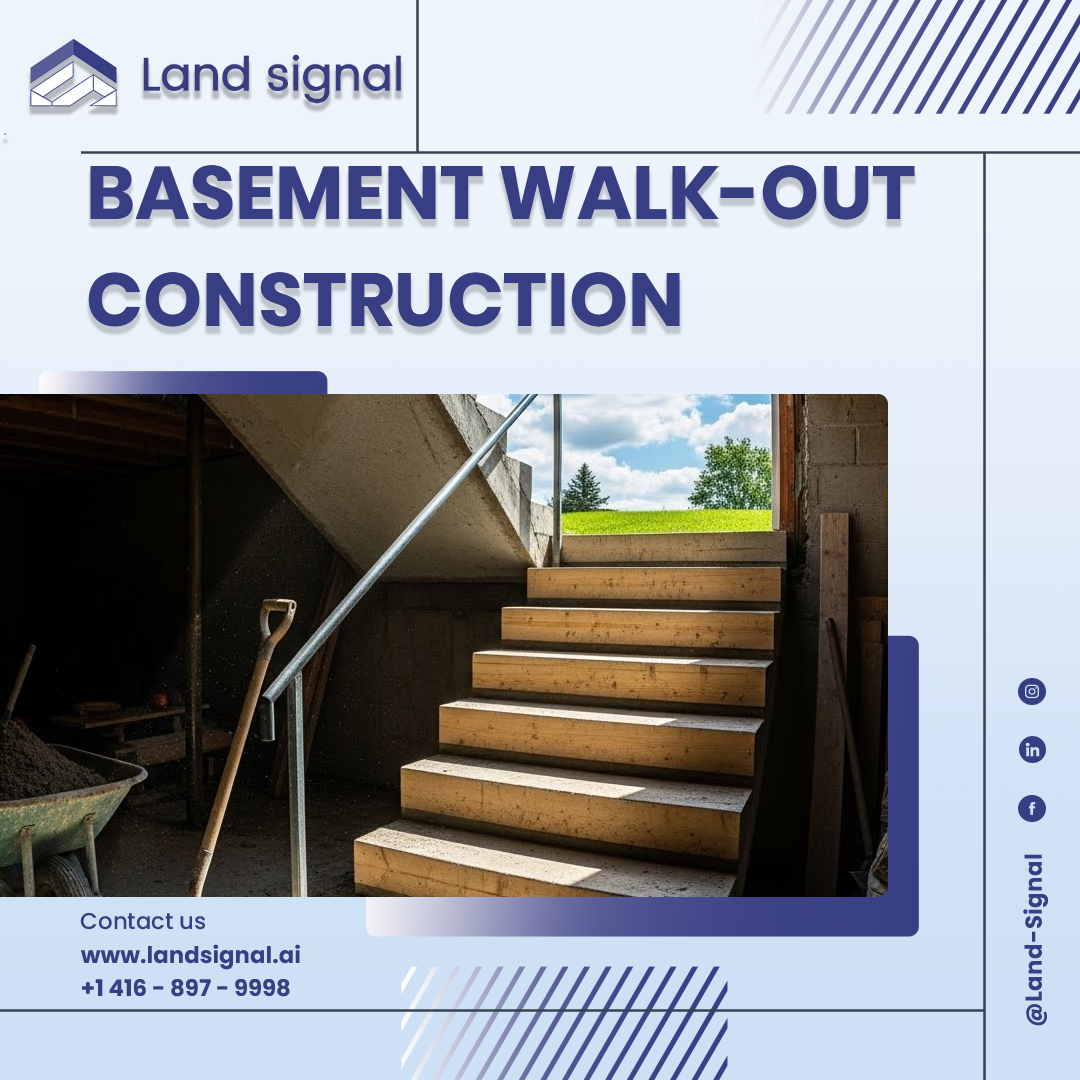











Homeowners across Toronto want more usable space, better light, and higher property value but many basements feel dark, cramped, or underused. A walk-out basement can solve that by creating a bright, functional lower level, and this guide breaks down exactly what you need to know before building one. Land Signal helps you assess feasibility, understand costs, and navigate zoning and permit requirements so you can plan with confidence.
Understanding Walk-Out Basements
The main difference between a regular basement and a walk-out basement lies in their access to the outdoors. A walk-out basement grants direct access to the yard through a full-sized door, and is located partially above ground, while a regular basement is partially underground. This gives you a separate entrance and allows more light in.
Read Also: Legal Basement Permit Toronto and Ontario
Key Considerations Before Building a Walk-Out Basement
While owning a walk-out basement does sound nice, it might not be compatible with your house. There are several factors you need to consider to make sure it’s possible to add a walk-out basement without risks, such as:
1.Property Suitability and Lot Grade: Homes built on sloped property usually don’t need as much excavation, while flat lots might need more digging, retaining walls and more cost. Toronto neighborhoods can be really different in terms of elevation, so it’s important to get a professional assessment first.
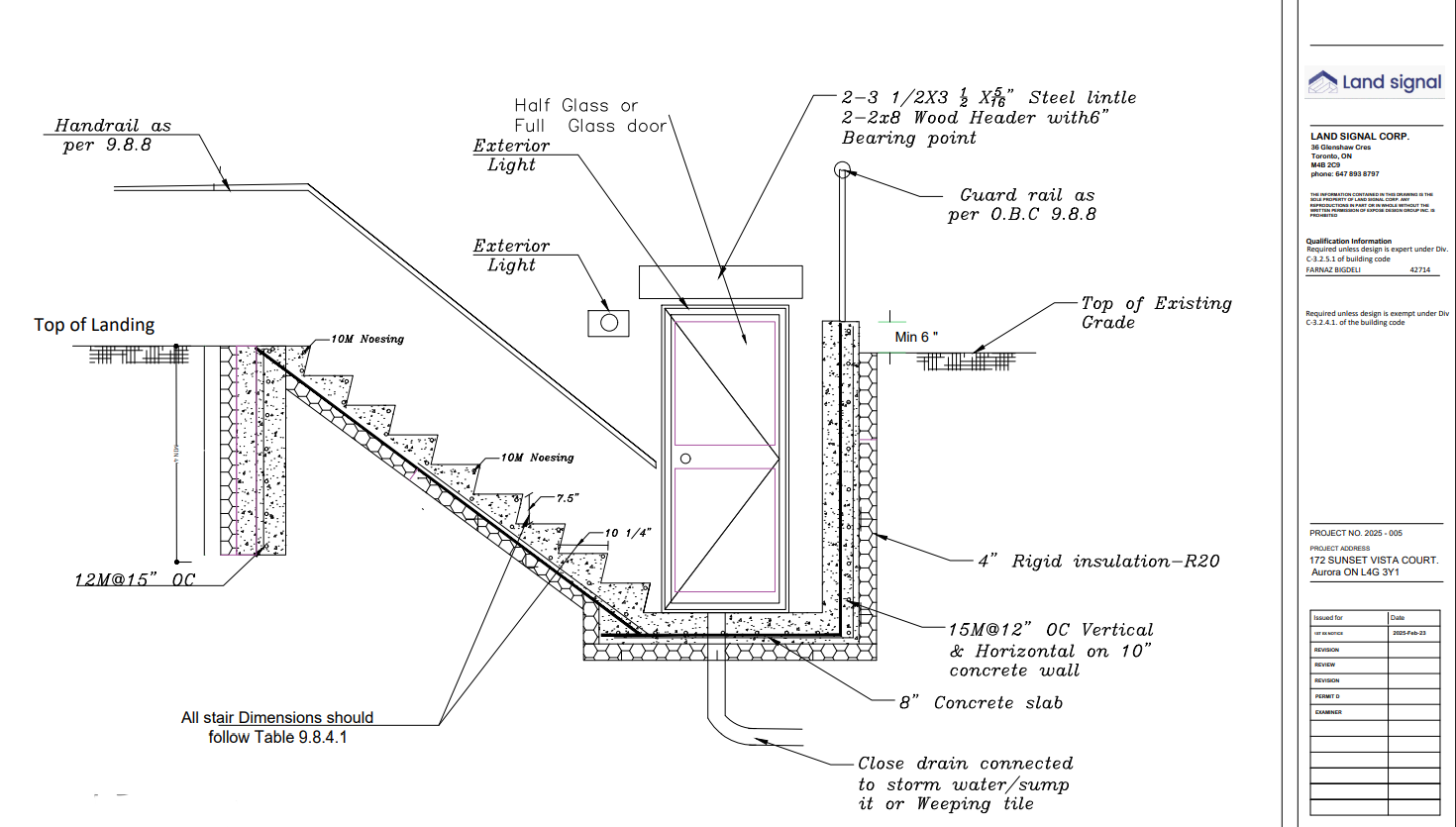
2.Structural Integrity of the Foundation: Cutting into a basement wall or extending below existing footings can mess with the home’s structure. Older homes, especially the ones with shallow foundations, might need underpinning to safely support the new opening. In this cases we usually recommend to use underpinning with R10 insullation all around that designed by engineers. Please check attached pic.
3.Drainage and Moisture Management: Because walk-outs sit below grade, water control is one of the most important aspects of planning. Effective systems include:
- Weeping tile installation
- Sump pumps
- Proper grading away from the door
- Retaining wall drainage( Dimple Boards)
- Robust waterproofing membranes
4.Soil Assessment and high water table: in some area of Toronto with sandy soil like beaches which make it really hard to excavat or to support main structure, in some another areas like hugs hollow or scarborough North we have high water tables which need specialist to assess everything carefully before start of work
How Walk-Out Construction Works: A Step-by-Step Overview
As with any other construction projects, building a basement walk-out involves several stages:
1.Design and Professional Assessments: The process starts with checking out the site, reviewing the foundation, and creating detailed design plans. Engineers figure out what needs to be reinforced, how to hold things together, and how to safely excavate
2.Permit Application and Documentation: But before any digging starts, homeowners need to submit engineered drawings, surveys, and supporting documents to the City of Toronto. Once approved, the project moves to construction. Typical permit applications may include:
- Architectural drawings (existing & proposed)
- Structural engineering drawings
- Property survey or site plan
- Drainage and grading details
- Underpinning documents (if required)
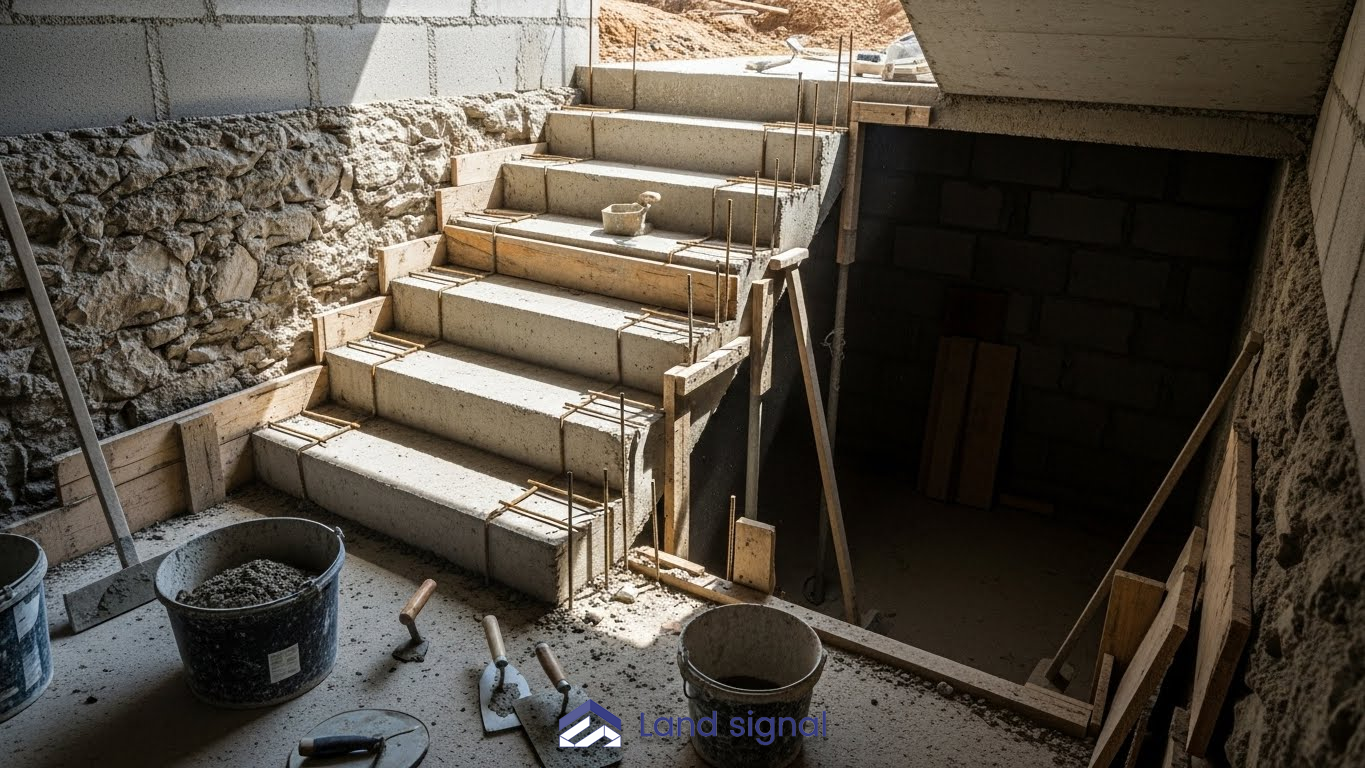
3.Excavation and Ground Preparation: They dig up some of the soil from the outside of the basement to make room for steps or a ground-level exit. Depending on access, there might be heavy machinery involved.
4.Foundation Alterations and Reinforcement: The basement wall is carefully opened up to create the walk-out doorway. Reinforcement like lintels, underpinning, or thickened footings are added to keep things structurally sound.
5.Drainage and Waterproofing Installation: Weeping tiles, gravel bases, drainage pipes, and waterproof membranes are put in place before backfilling to keep the new entrance from getting wet.
6.Construction of Steps, Landing and Retaining Walls: Concrete or masonry elements are built to create a safe, durable entryway. Retaining walls hold back the soil and make it easy to keep the area around the walk-out clean and open.
7.Door and Finishing Touches: A door that’s right for the grade is put in, along with lighting, railings (if needed), and landscaping to finish the exterior.
Read Also: Concrete Foundation Walls in Toronto
Conclusion
Basement walk-out construction in Toronto offers homeowners a powerful way to expand livable space and tailor their home to evolving needs. Keep in mind that every successful basement walk-out project begins with evaluating the property’s feasibility.
In my personal opinion, you can only enjoy a walk-out basement with careful planning and proper engineering, otherwise you’ll only create more trouble for yourself. Here at Land Signal, we’ll help you figure out what your home is worth and come up with a plan that makes the most of your space without losing any outdoor areas.